
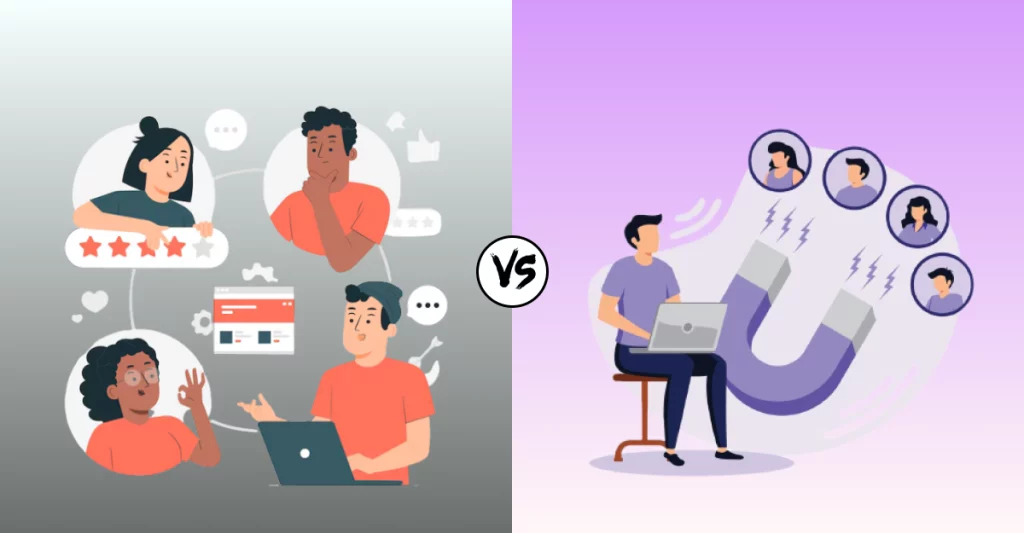
As you know, marketing is all about catching your attention. The ones who catch it better and quicker win the competition. Hence, in the fast-paced world of marketing, brands constantly seek innovative ways to grab the audience’s attention. While influencer marketing has dominated the scene for years, there’s a new kid on the block i.e. user-generated content (UGC) created by customers like you.
This shift raises an interesting question- Customers vs Influencers marketing- who holds more power in shaping your buying decisions? Who connects better with their audience?
Let’s find out!
Influencer Marketing: The Mini Celebs
Influencers have been the darlings of marketing strategies for years. They have been flooding social media and broadcasting platforms like Instagram, YouTube, and Tiktok. These individuals with thousands of followers, can sway your decisions with just one post.
Why do Influencers Work?
Due to the following reasons-
- Trust Factor: People follow influencers because they admire them and trust their opinions. When your favorite influencer endorses a product, you’re more likely to consider buying it.
- Wide Reach: An influencer’s content reaches a vast audience, giving brands exposure to potential customers who might otherwise be out of reach.
- Emotional Connection: Influencers often share personal stories that resonate with their followers, making their endorsements feel genuine.
For instance, a fashion influencer might showcase an outfit and explain how it fits their lifestyle. This emotional touch can make you believe the product will fit perfectly into your life too.
Challenges with Influencer Marketing
However, influencer marketing isn’t without its downsides-
- Cost: Top influencers (more than 200k followers) charge a hefty fee, often upwards of Rs.20,000 for a single video.
- Authenticity Concerns: When influencer promotions feel scripted or overly polished, they risk coming off as artificial.
- Regulations: Authorities like India’s Bureau of Indian Standards require transparency in paid promotions, further complicating influencer collaborations.
Despite these challenges, influencer marketing continues to be a popular choice for brands seeking mass visibility.
Customer/User-Generated Content (UGC): Fosters Genuine Advocacy & Trust
Now, let’s turn the spotlight on customer-generated content, or UGC. This involves you- yes, you- sharing honest reviews, photos, or videos about products you’ve used.
Why does UGC work?
UGC has the following upper hands-
- Authenticity: Unlike influencers, regular customers aren’t paid professionals. When you see someone like yourself praising a product or service, it feels real.
- Relatability: You’re more likely to trust someone in your peer group than a celebrity or influencer.
- Cost-effective for brands: Brands can incentivize customers with smaller rewards, like discounts or gift cards, making UGC a budget-friendly marketing option.
Take Myntra, for example. Its “Ultimate Glam Clan” program encourages shoppers to post reviews and photos of their purchases. Over 70,000 users participated, creating 100,000 posts that garnered a whopping 500 million views! Some participants even earned Rs.20,000 for a single video—an amount comparable to what influencers charge.
How does UGC impact buying Decisions?
Just imagine scrolling through social media and seeing your friend rave about a product they just bought. You’re immediately intrigued because their excitement feels genuine. This ripple effect—friends influencing friends—is what makes UGC so powerful.
Brands like Farmley and CaratLane have tapped into this phenomenon by encouraging customers to share their experiences on social media. The result? A community of loyal advocates spreading the word without the polished façade of influencer content.
Here’s what the marketing chiefs said-
“We believe our customers are our true brand ambassadors. While influencer collaborations help drive awareness and desirability, UGC fosters genuine advocacy and trust.”
- Atul Sinha, CaratLane’s Chief Executive
“UGC has a lot more authenticity. It genuinely nudges people, especially in the first-degree connection of users, to trust the brand for trials, and then it sets off a virtuous cycle. The online community that hasn’t tried the brand’s products also feels that it is being recommended not just by influencers but by genuine customers, so they give the brand a shot.
- Aman Gupta, Farmley’s Marketing Head
Customers vs Influencers Marketing: Detailed Comparison
Before proceeding further, let’s have a quick look at the comparison of Customers vs Influencers marketing-
| Aspects | Customer/User Generated Content (UGC) | Influencer Marketing |
| Authenticity | Feels Genuine & Relatable | Can feel scripted or overly promotional |
| Cost | Cost-effective (smaller incentives for customers) | Expensive (Rs.20,000+ per post for top influencers) |
| Reach | Smaller audience, but higher trust factor | A wide audience, but followers may not always convert |
| Engagement | High engagement, especially within close circles | Moderate engagement, dependent on the influencer’s style |
| Trust Factor | Built on peer recommendations | Influenced by influencer’s reputation |
Best Practices: How Brands Balance the Two?
While UGC is gaining momentum, it’s unlikely to replace influencer marketing entirely. Instead, the two strategies complement each other, giving brands the best of both worlds.
Here’s how-
(A) Using Influencers Wisely
- Allow Authenticity: Brands should let influencers speak in their own voice. A scripted ad feels fake, but a heartfelt testimonial builds trust.
- Focus on Micro-Influencers: These are influencers with smaller but highly engaged audiences. They often charge less and deliver better results.
(B) Leveraging UGC Effectively
- Create Incentives: Offer rewards like discounts or recognition on the brand’s platform to encourage customers to share their experiences.
- Promote Transparency: Clearly disclose if a review or post was incentivized to maintain credibility.
- Integrate UGC into Campaigns: Use customer reviews, photos, and videos in ads, social media posts, and on your website to add a personal touch.
The Future of Marketing: Where do we go from here?
UGC is still in its early stages in India, but it’s growing fast. Research by Accenture Song shows that two-thirds of Indian consumers find UGC as entertaining as traditional media.
Brands like Plum Goodness are already incorporating UGC into their marketing strategies, with an 85:15 split between influencer marketing and UGC. As more brands recognize the value of authentic, peer-driven content, this balance might shift further in favor of UGC.
That said, influencer marketing isn’t going anywhere. It remains a powerful tool for building brand awareness on a large scale. The challenge for brands is to strike the right balance between these two approaches to create campaigns that are both impactful and authentic.
Takeaway: What does this mean for you?
As a customer, you now have the power to shape a brand’s image. Your honest reviews and posts can influence others, just like an influencer’s endorsement. Whether you’re sharing your favorite snack on Instagram or writing a heartfelt review for an online purchase, your voice matters.
On the flip side, as a shopper, you should stay vigilant. Whether it’s influencer content or UGC, always look for authenticity. After all, in a world where everyone’s a marketer, it’s up to you to separate genuine recommendations from clever promotions.
Note: Recently, there was a buzz on Surrogate Marketing. To know more about it, go through the article- “What is Surrogate Marketing? Uncovering the hype around it.”
Final Thoughts
The battle of customers vs influencers marketing isn’t about one replacing the other. Instead, it’s about finding harmony between authenticity and reach. For brands, it’s a golden opportunity to blend the genuine charm of UGC with the widespread appeal of influencer marketing.
And for you?
It’s a reminder that in today’s digital age, your opinion is more valuable than ever.
So, the next time you share a post or write a review, know that you’re not just a customer- you’re a creator, a marketer, and a trusted voice in someone else’s shopping journey!
