
Micromax was once a dominant name in the Indian smartphone market. It was a brand that gave tough competition to international giants like Samsung and Nokia. However, over the years, it has almost disappeared from the industry. Many people now wonder- Is Micromax dead? What happened to Micromax?
In this article, we will uncover Micromax’s rise, fall, and its current situation. We will also analyze whether the brand can make a comeback in the Indian smartphone market.
Stay tuned!
The Rise of Micromax: An Indian Success Story
Here’s how Micromax went through a rapid rise and fall.
Micromax’s Humble Beginnings
Micromax was founded in 2000 by Rahul Sharma, Vikas Jain, Sumeet Arora, and Rajesh Agarwal. Initially, it was a distributor of computer hardware. However, in 2008, the company shifted its focus to mobile phones, and this decision changed everything.
During the early 2010s, India was experiencing a mobile revolution. The demand for affordable, feature-packed smartphones was rising, and Micromax perfectly capitalized on this opportunity.
Micromax’s Growth in the Indian Market
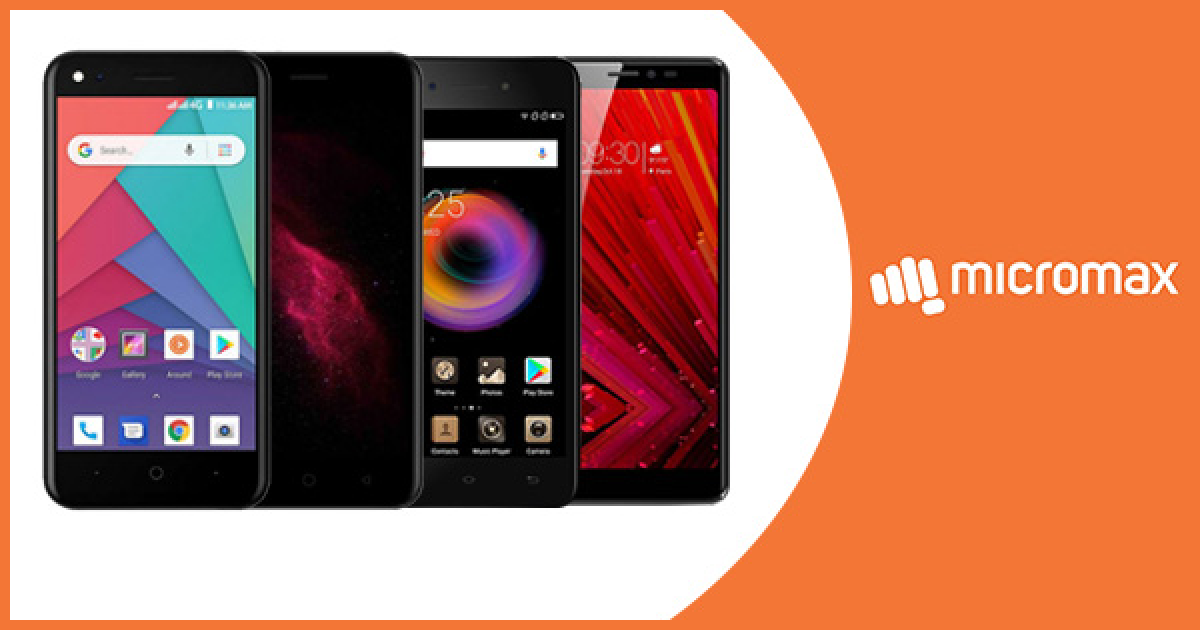
Micromax quickly became a popular choice among Indian consumers. The company’s strategy was simple- provide budget-friendly smartphones with great specifications. Some of the major reasons for its success were-
- Affordable Pricing: Micromax offers smartphones at lower prices compared to global brands.
- Feature Rick Devices: The brand introduced phones with big screens, high battery capacity, and dual SIM support at a time when such features were rare in budget devices.
- Innovative Marketing: Micromax used aggressive marketing strategies, including hiring Hollywood star Hugh Jackman as a brand ambassador.
- First-Mover Advantage: Micromax was one of the first Indian brands to introduce Android smartphones at an affordable price.
By 2014, Micromax had become India’s second-largest smartphone brand, even surpassing Samsung for a brief period. It was also the first Indian company to sponsor an international cricket tournament- the Asia Cup in 2014.
As of now (FY25) the valuation of Micromax is Rs.1,101 crore.
The Fall of Micromax: What Happened to Micromax?
After reaching its peak, Micromax began losing ground in the Indian smartphone market. So, what happened to Micromax? What went wrong? Let’s explore the key reasons behind its downfall.
1. The Rise of Chinese Smartphone Brands
One of the biggest reasons for Micromax’s decline was the entry of Chinese brands like Xiaomi, Vivo, Oppo, and Realme. These companies offered superior smartphones at competitive prices.
| Brand | Key Strengths |
| Xiaomi | Feature-rich smartphones at low prices, online sales model |
| Vivo | Strong offline presence, camera-centric phones |
| Oppo | Aggressive marketing, camera technology |
| Realme | Budget-friendly smartphones with premium features |
Micromax failed to compete with these brands in terms of technology, innovation, and pricing.
2. Lack of Innovation
Micromax relied heavily on rebranded Chinese phones instead of developing its own technology. In contrast, brands like Xiaomi and Samsung invested in research and development (R&D) to create unique products. As a result, Micromax’s phones began to look outdated compared to the competition.
3. Poor After-Sales Service
Many customers complained about Micromax’s poor after-sales service. Delayed repairs, lack of spare parts, and unresponsive service centers damaged the brand’s reputation.
4. Dependence on Third-Party Manufacturers
Unlike Xiaomi and Samsung, which had their own manufacturing units, Micromax depended on Chinese manufacturers for its phones. This increased costs and reduced profit margins.
5. Failure to Adapt to Changing Market Trends
With the rise of 4G technology, brands like Xiaomi launched 4G-enabled smartphones at affordable prices. Micromax was slow to respond, allowing competitors to dominate the market.
6. Poor Brand Perception
As Chinese brands gained popularity, Micromax started losing its brand value. Customers no longer saw it as a reliable option. Additionally, social media and word-of-mouth played a major role in shifting customer preferences towards brands like Xiaomi and Realme.
By 2018, Micromax’s market share had declined to less than 5%, and by 2020, it had almost disappeared from the smartphone industry.
Market Share Comparison: Micromax vs Top Smartphone Brands
Micromax was once a market leader, but its market share has significantly declined over the years. Here’s a comparative look at the Indian smartphone market-
Smartphone Market Share in India (2023 Q4)
| Brand | Market Share (Q4 2023) | Growth Compared to 2022 |
| Xiaomi | 18% | -2% |
| Samsung | 19% | +1% |
| Vivo | 17% | +2% |
| Realme | 10% | -3% |
| Oppo | 10% | +1% |
| Micromax | <1% | No significant growth |
(Source: Canalys Report and Counterpoint Research)
As we can see, Micromax holds less than 1% of the Indian smartphone market, while brands like Xiaomi and Samsung dominate with nearly 20% each.
Price & Features Comparison: Micromax vs Competitors
Let’s compare Micromax’s latest smartphones with models similar to those of competitors in the budget segment.
| Brand & Model | Price (₹) | Processor | Display | Battery | Operating System |
| Micromax In Note 2 | ₹13,490 | MediaTek Helio G95 | 6.43” AMOLED | 5000mAh | Android 11 |
| Xiaomi Redmi Note 12 | ₹14,999 | Snapdragon 4 Gen 1 | 6.67” AMOLED | 5000mAh | Android 12 |
| Realme Narzo 50 | ₹14,999 | Snapdragon 4 Gen 1 | 6.67” AMOLED | 5000mAh | Android 12 |
| Samsung Galaxy M13 | ₹12,499 | Exynos 850 | 6.6” LCD | 6000mAh | Android 12 |
Note: We have also covered the “Rise and Fall of Blackberry”. Go through the article for more information.
Is Micromax Dead? Can It Make a Comeback?
So, is Micromax dead? The answer is no, but it is struggling. The brand is not completely shut down, but its presence in the smartphone industry is minimal. However, Micromax attempted a comeback in 2020 with the “In” series under the “Made in India” campaign.
Micromax’s Comeback Attempt with ‘In’ Series
In 2020, Micromax announced its comeback with the “In” series, positioning itself as a truly Indian brand. This move was fueled by:
- Anti-China Sentiment in India: Following border tensions between India and China in 2020, there was a strong call for boycotting Chinese products. Micromax used this as a marketing strategy to regain its lost customers.
- Government’s PLI Scheme: The Indian government introduced the Production-Linked Incentive (PLI) scheme to encourage local smartphone manufacturing. Micromax aimed to benefit from this policy.
- Affordable Smartphones: The Micromax In 1, In 1b, and In Note 1 were launched with decent specifications and competitive pricing.
Challenges in Micromax’s Comeback
Despite its efforts, Micromax’s comeback has not been very successful. The main challenges include-
- Strong Competition: Xiaomi, Realme, Samsung, and even newer brands like iQOO dominate the budget smartphone segment.
- Lack of Unique Features: Micromax’s new phones failed to offer anything revolutionary compared to competitors.
- Marketing Weaknesses: Unlike Xiaomi and Realme, which engage aggressively in online marketing, Micromax’s promotional efforts were not strong enough.
As a result, Micromax’s impact in the market remains weak even after its comeback attempt.
Future of Micromax: A Bold Move Beyond Smartphones
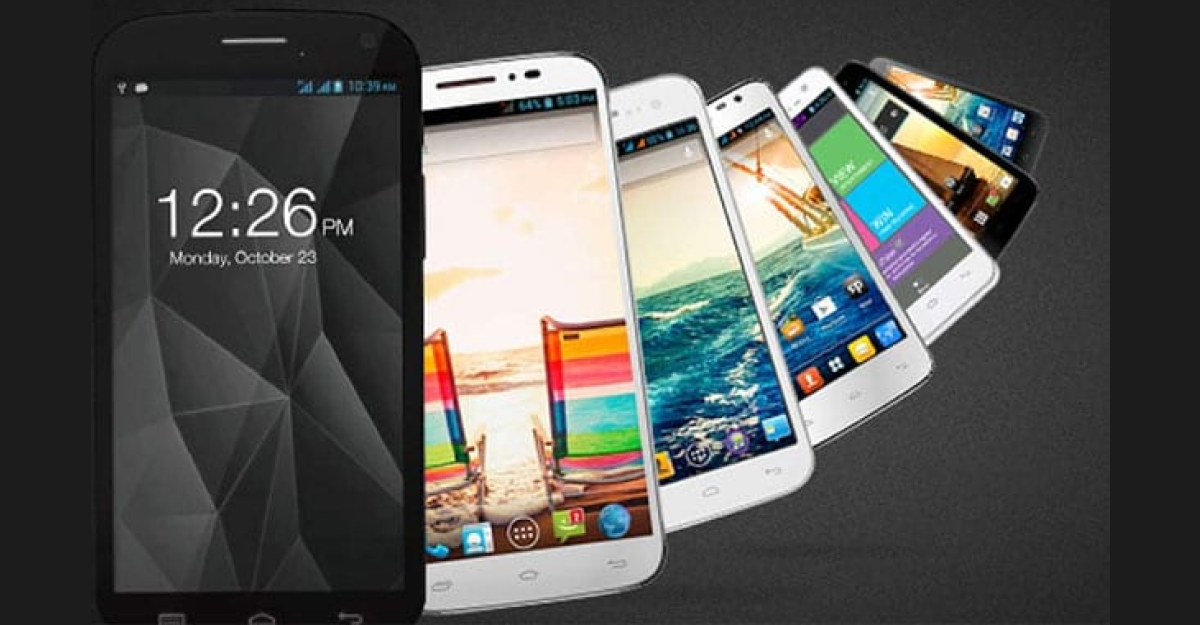
Micromax was once a household name in India’s smartphone industry, but times have changed. Instead of solely focusing on regaining its lost market share, the company is taking a different approach—diversification and expansion into new industries.
While it still maintains a presence in consumer electronics, Micromax is now exploring sectors like renewable energy, AI hardware, and content streaming.
Let’s take a closer look at these bold moves and what they mean for the company’s future-
Diversification into Renewable Energy- Solar Panel Manufacturing
One of the most exciting developments is Micromax’s entry into the solar energy sector. It has launched a new venture called Startup Energy, which focuses on manufacturing high-efficiency solar panels for residential, commercial, and industrial use.
Why is this a smart move?
India has set ambitious clean energy goals, aiming for 500 GW of non-fossil fuel capacity by 2030. Micromax is positioning itself as a key player in this space by partnering with China-based Jinchen to set up a 5 GW advanced solar module manufacturing line. This strategic partnership could help Micromax become a significant player in India’s solar revolution.
Expanding into AI and New-Age Businesses
Micromax isn’t stopping at solar panels. The company is also exploring AI and memory chip technology.
- AI Hardware & Memory Solutions: Micromax is considering a partnership with a Taiwanese memory chip maker to develop custom-made memory and storage solutions. This could not only reduce costs but also help the company enter the booming AI hardware market.
- Content App for OTT Streaming: The company is working on a content app that will bundle multiple OTT streaming services. This move could make it easier for users to access multiple platforms under a single subscription, potentially disrupting the digital entertainment industry.
These initiatives show that Micromax is thinking beyond just consumer electronics—it’s looking at the next big technology trends.
Manufacturing & Joint Ventures: Strengthening Its Base
Micromax is also making major moves in manufacturing.
- Taking Over Vivo’s Factory: Micromax’s manufacturing arm, Bhagwati, has taken control of Vivo’s mobile phone factory in Greater Noida. This facility will now be used to produce originally designed mobile phones, IT hardware, and even automotive parts through a joint venture with a major ODM (Original Design Manufacturer).
- Chip Design Joint Venture with Phison: Micromax has partnered with Phison to launch a joint venture called MiPhi, focused on designing fabless chips for NAND storage solutions. This could give the company an edge in the growing demand for high-speed data storage.
With these moves, Micromax is no longer just a smartphone brand—it’s transforming into a tech-driven manufacturing powerhouse.
Challenges & Opportunities: Will This Strategy Work?
Micromax’s new strategy is promising, but challenges remain.
- Tough Smartphone Market: The Indian smartphone market is dominated by brands like Xiaomi, Samsung, and Realme. While Micromax has made comeback attempts, regaining its past dominance seems difficult.
- Government Support for ‘Make in India’: India’s push for domestic manufacturing and renewable energy could be a major boost for Micromax’s expansion plans, particularly in solar panel manufacturing.
Is Micromax Dead? The Final Verdict
Micromax’s story is a lesson on how failing to innovate can lead to downfall, no matter how successful a brand is. It was once a market leader but lost its way due to competition, lack of innovation, and poor service.
So, is Micromax dead? Not entirely, but it is struggling to stay relevant. What happened to Micromax? It lost to Chinese competitors due to outdated strategies and weak product development.
But the optimistic fact is- Micromax is no longer just trying to revive its smartphone business—it’s reinventing itself. By entering renewable energy, AI hardware, and digital content, it’s setting itself up for a future beyond just mobile phones.
Will this strategy work?
If executed well, Micromax could become a key player in India’s tech and clean energy revolution. It’s a risky move, but given the company’s history of innovation, this could be the beginning of an exciting new chapter.
What do you think about Micromax’s survival? Share your thoughts in the comments section! Thanks for reading 🙂
