
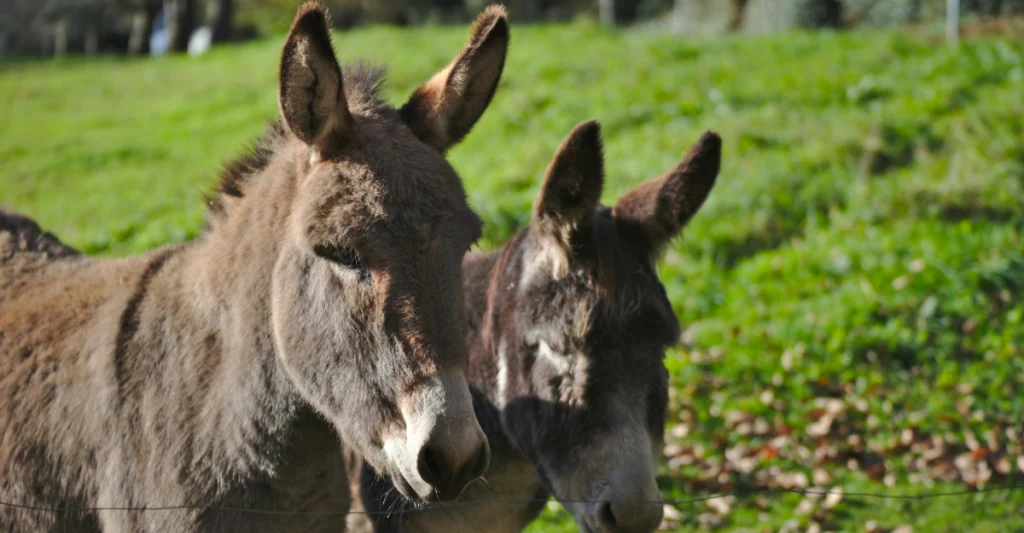
If someone told you a few years ago that donkey farming could become a government-supported business in India, you might have laughed. After all, donkeys are usually associated with construction sites or brick kilns, not modern farm enterprises.
But things are changing…
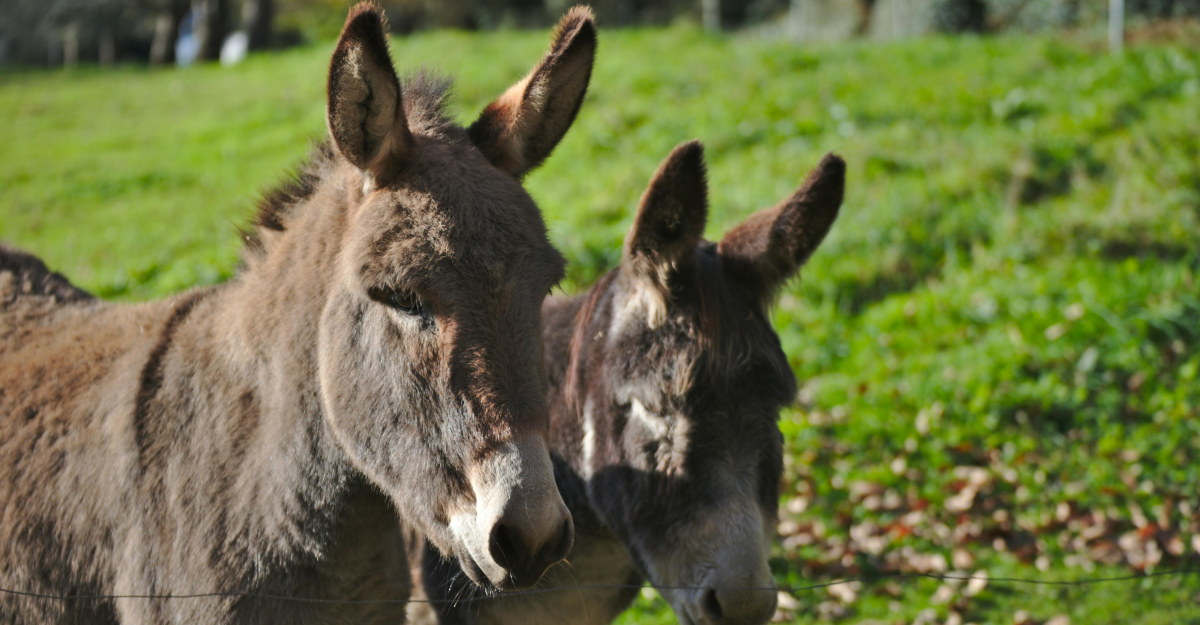
Today, the Indian government is offering subsidies of up to ₹50 lakh to encourage farmers and rural entrepreneurs to start donkey breeding units. The support comes under the National Livestock Mission (NLM), and it is not just about starting a new business. It is also about saving an animal that is quietly disappearing from the country.
At the same time, global demand for certain donkey products such as milk and hides is rising. Because of this, donkey farming is slowly entering discussions as a niche livestock opportunity. For farmers looking beyond traditional dairy or poultry businesses, this could be an interesting option to explore.
Let us understand why the government is promoting donkey farming and how the subsidy actually works!
The Decline of Donkeys in India and the Government’s Response
If you travel back 20 or 30 years, donkeys were a common sight in many Indian towns and villages. They carried bricks at construction sites, transported sand and soil, and helped small traders move goods in narrow areas where vehicles could not go.
For many families, especially in construction and labor communities, donkeys were an important working asset.
But over time, mechanization began replacing them. Mini trucks, tractors, and loaders became cheaper and more accessible. Slowly, the need for pack animals declined. Many owners stopped keeping donkeys because they no longer had regular work for them.
The result is visible in the numbers.
According to the 20th Livestock Census released in 2019, India’s donkey population dropped to 1.23 lakh. In 2012, the number was 3.07 lakh. That is a decline of almost 60 percent within seven years.
Such a sharp fall worried policymakers and livestock experts. Donkeys are hardy animals that survive in difficult conditions where many other livestock species struggle. Losing them completely would also mean losing indigenous breeds like Spiti, Halari, and Kachchhi.
To prevent that from happening, the government decided to promote organized donkey farming. The idea is simple. If farmers see economic value in breeding donkeys, the population can recover naturally.
Subsidy Details: How to Get Up to ₹50 Lakh for Donkey Farming?
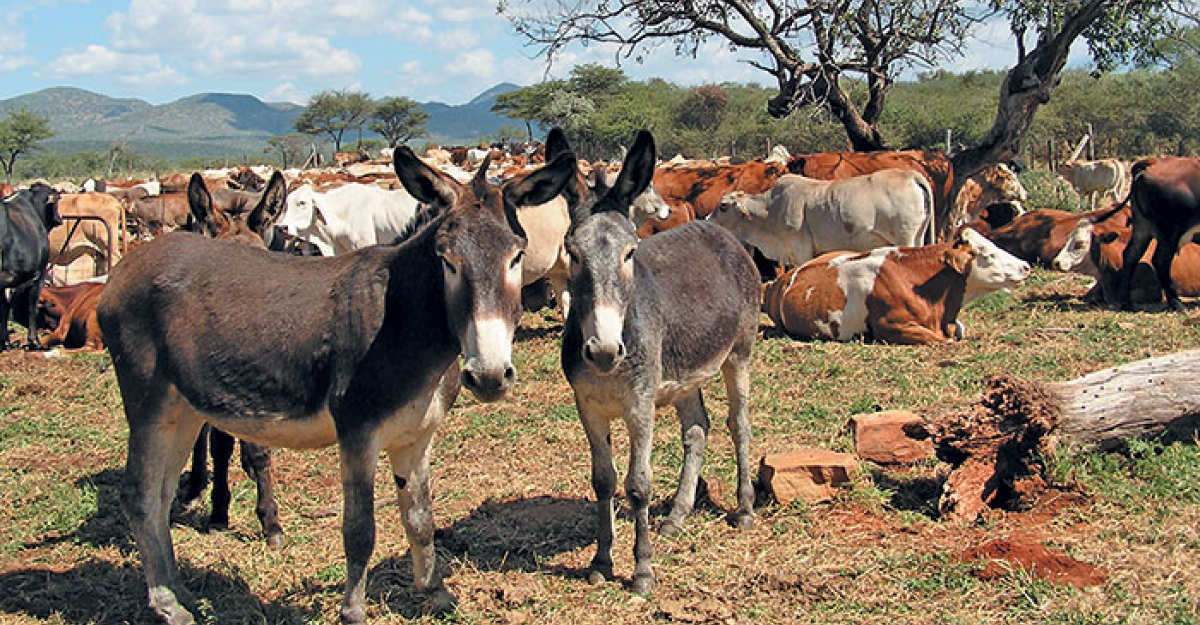
The government support comes through the National Livestock Mission, a program that encourages livestock-based rural businesses.
Under this scheme, entrepreneurs setting up a donkey breeding farm can receive 50 percent capital subsidy on their project cost. The subsidy amount can go up to ₹50 lakh for one unit.
That is a significant push, especially in a sector that most farmers have never seriously considered before.
The subsidy can be used for several essential expenses. These include building sheds, arranging water supply, setting up fodder storage, buying breeding animals, and creating basic veterinary facilities.
Who Can Apply?
One interesting thing about the scheme is that it is not limited to individual farmers. The government has opened it to different types of rural groups and organizations.
| Applicant Type | Description |
| Individuals | Farmers or entrepreneurs with land and basic livestock knowledge. |
| Farmer Producer Organisations (FPOs) | Groups of farmers pooling resources for larger-scale operations. |
| Self-Help Groups (SHGs) | Community-based women’s or rural groups focusing on income generation. |
| Joint Liability Groups (JLGs) | Small farmer collectives sharing liability for loans. |
| Cooperatives | Registered co-ops with a livestock focus. |
| Section 8 Companies | Non-profits dedicated to animal husbandry or rural development. |
This means even a group of farmers or a women’s self-help group can plan a donkey farming unit together.
Minimum Requirements for a Donkey Breeding Unit
The subsidy is meant for proper breeding farms. Because of that, the government has laid down a few minimum conditions.
| Requirement | Details |
| Female Donkeys | At least 50 for breeding stock. |
| Male Donkeys | Minimum 5 for sire rotation. |
| Breeds Supported | Only indigenous Indian breeds to promote conservation. |
| Infrastructure | Proper sheds, fodder storage, veterinary setup, and water facilities. |
The idea here is to create structured breeding farms that can increase donkey numbers and maintain healthy animals.
Subsidy Disbursement Process
Now you might be wondering how the money actually reaches the farmer.
The government releases the subsidy in two stages.
- First Installment (50% of subsidy): After your project is approved and the bank loan is sanctioned. Officials will also check whether the initial farm setup has started.
- Second Installment (remaining 50%): After the farm is fully established. Authorities conduct a physical inspection and verify the setup through geo-tagged photos.
Applications are usually submitted through the National Livestock Mission portal or through the state animal husbandry department.
In most cases, applicants need to prepare a detailed project report explaining how the farm will operate.
Setting up a breeding unit with 50 animals typically costs ₹80 lakh to ₹100 lakh. With the subsidy covering half the project cost, the financial burden becomes much easier to handle.
Why Donkey Farming? Understanding the Business Case
At first glance, donkey farming may not sound like a profitable idea. But if you look at it closely, there are a few interesting income possibilities.
For one, donkeys are extremely tough animals. They can survive in dry and semi-arid regions where cattle or buffalo may struggle. Their feed requirements are also relatively modest.
Another reason people are discussing donkey farming today is donkey milk.
It is produced in small quantities, but it has found niche markets. Some studies suggest donkey milk is closer to human milk in composition compared to cow milk. Because of this, it sometimes appears in specialty nutrition products and cosmetic formulations.
A healthy female donkey can produce roughly 300 to 500 milliliters of milk per day for about five or six months after giving birth.
Key Revenue Streams in Donkey Farming
| Product/Service | Potential Income | Market Notes |
| Breeding Stock Sales | ₹20,000-50,000 per donkey | Demand from farms and exports. |
| Working Donkeys | ₹15,000-30,000 per animal | Rural transport in hilly or remote areas. |
| Donkey Milk | ₹200-500 per liter | Premium for cosmetics, hypoallergenic infant formulas; global prices up to ₹2,000/liter. |
| Hide (Ejiao Production) | ₹50,000+ per hide (post-slaughter) | Export to China for traditional medicine; regulated to avoid overexploitation. |
| Manure/Fodder Byproducts | ₹5,000-10,000 annually | Organic fertilizer sales. |
In particular, donkey milk has started attracting attention from cosmetic companies that use it in soaps and skincare products.
Global Demand Driving Donkey Farming Boom
Another factor pushing interest in donkey farming is the global market for ejiao.
Ejiao is a gelatin made from donkey skin and used in traditional Chinese medicine. It is often marketed for benefits related to blood health and skin care.
Because of this product, demand for donkey hides has increased sharply over the years. Some estimates suggest the global market needs more than a million donkey hides every year.
This demand created trade opportunities in several African countries. However, uncontrolled trade also led to concerns about declining donkey populations.
India is now trying to approach the sector differently by encouraging regulated donkey breeding instead of unorganized trade.
Along with hides, there could also be opportunities in breeding animals, donkey milk products, and niche wellness products.
Other Government Schemes Complementing Donkey Farming
Farmers planning donkey farming do not have to rely on one scheme alone. A few other livestock programs can help support the business.
| Scheme | Key Benefits | Loan/Subsidy Limit |
| Pashu Kisan Credit Card | Collateral-free loans for fodder, health. | Up to ₹1.6 lakh at low interest. |
| Rashtriya Gokul Mission | Cattle/buffalo breeding; AI services. | Varies; focuses on dairy integration. |
| National Livestock Mission (Other Components) | Sheep/goat/poultry units. | Up to 50% subsidy, similar to donkeys. |
For example, a farmer can use the Pashu Kisan Credit Card to cover day to day expenses such as fodder or veterinary treatment.
Meanwhile, the National Livestock Mission subsidy helps with the bigger investment required to start the farm.
Challenges and Tips for Successful Donkey Farming
Of course, starting any new livestock business comes with its own challenges.
Land availability is one of the first considerations. A breeding farm with dozens of animals needs enough space for grazing, shelter, and movement. Many experts recommend 5 to 10 acres, depending on the herd size.
Health management is another area that requires attention. Donkeys are hardy animals, but diseases such as glanders can still affect them if proper precautions are not taken.
Marketing is also something new entrants should think about early. Whether you plan to sell breeding animals, milk, or other products, it helps to identify potential buyers in advance.
Training can make a big difference as well. Farmers can approach Krishi Vigyan Kendras or local animal husbandry departments to learn basic management practices before starting a donkey farming unit.
Donkey farming is still unfamiliar territory for many farmers in India. But with government support of up to ₹50 lakh and growing interest in donkey-based products, it is slowly emerging as a niche livestock opportunity worth paying attention to!
Bonus Tip For You
If you’re interested in Farming and earning profits through it, you can check out the following articles-
- Indoor Saffron Farming Business Plan: Sell at ₹3 lakh/kg
- Goat Farming Business Plan: How To Start & Make a Profit?
- The Ideal Dairy Farming Business Plan To Start & Make Profit
- How To Start a Mushroom Farming Business & Make It Profitable?
Thanks for reading 🙂
