
You are planning a city trip. You have a rough list of things you want to see, you start checking ticket prices, and suddenly the total feels… heavy. Then you notice a pass that promises access to almost everything for one upfront price. Museums, towers, cruises, buses. It sounds efficient. Maybe even smart.
Still, a quiet question sits there. Will you actually use it enough? Or will you come home feeling like you paid for good intentions instead of real experiences?
That hesitation is healthy. I have used city passes in places like New York, London, and Paris, and Go City sits right in that space between genuinely useful and quietly frustrating, depending on how you travel.
What Go City Actually Is?
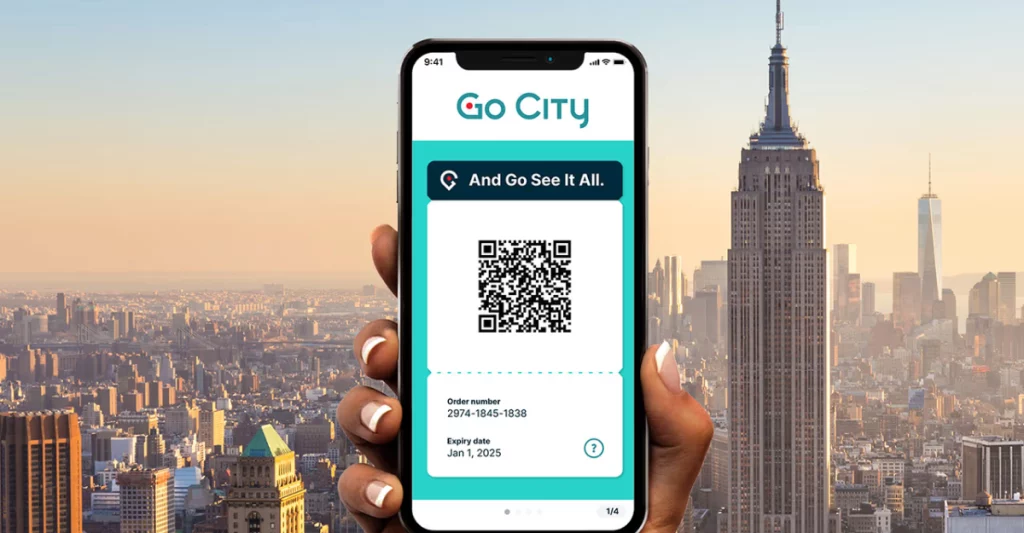
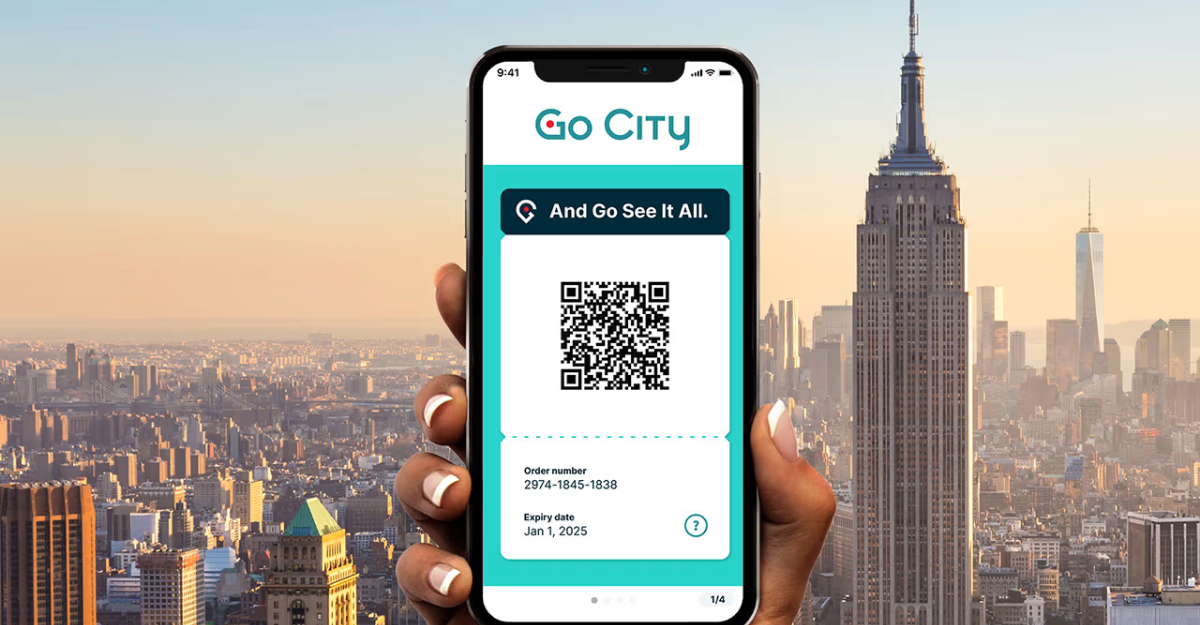
Go City is not magic access to a city. It is a bundle. You prepay for entry to a long list of attractions and then unlock them through an app when you arrive.
Most people buy it for one of two reasons. Either they want to see a lot in a short time and hope to save money, or they want the comfort of knowing tickets are already handled before the trip even starts.
In real life, Go City tends to be used by travelers who build days around major sights. Observation decks in the morning, museums in the afternoon, maybe a cruise or tour before dinner. It works best when sightseeing is the main event, not something squeezed between long lunches and wandering.
How the Pass Works in Real Life?
The pass activates the moment you scan it at your first attraction. That sounds obvious, but it matters. For the All-Inclusive pass, the clock starts ticking right then, not the next morning. If your first scan is at 3 p.m., that still counts as a full day.
Reservations are another thing people underestimate. Some attractions let you walk straight in. Others require booking a time slot days or even weeks ahead, often on a separate website. The app helps, but it does not magically create availability.
Pacing matters more than rules. You might plan three big attractions in a day, but long lines, weather, or simple tired feet can quietly cut that down to two. The pass does not care. Your energy level does.
Pass Types Explained
Go City offers two main options, and choosing the wrong one is where many regrets start.
The All-Inclusive pass is for consecutive days of sightseeing. You can visit as many attractions as you want during those days. It rewards fast movement and early starts.
The Explorer pass gives you a set number of attractions that you can use over a longer window. This one feels calmer. You are not racing a clock, just picking experiences as you go.
Both passes live in the app. No physical card. Just a QR code and your phone battery behaving itself.
Prices change by city and season, but here is how they typically break down.
| Pass Type | Validity | Best For | Example Price (NYC Adult, 2026) |
| All-Inclusive | 1-10 consecutive days | High-volume sightseeing | 3 days: ~$250 |
| Explorer | 30-60 days, fixed entries | Spread-out visits | 5 attractions: ~$200 |
Cost vs Value in the Real World
On paper, the savings can look obvious. Stack up a few expensive attractions and the pass price suddenly feels reasonable. In reality, those savings only appear if your days actually unfold the way you imagined at home.
The tables below show why Go City can work well for certain travelers. They also quietly reveal how easy it is to miss the break-even point if your pace slows or plans shift.
This is where honesty helps. Ask yourself how many attractions you truly enjoy in a day before everything starts to blur together.
Note: For Asian travel booking, you can go through this article for detailed information- Things you must know in Asian Travel.
The Upside, When It Clicks
When Go City works, it really works.
You stop thinking about individual ticket prices. You walk up, scan once, and move on. In busy cities, that mental relief is worth something on its own.
The app also nudges you toward experiences you might otherwise skip. A bike rental feels easier when it is already included. A walking tour becomes a low-risk add-on instead of another purchase decision.
Here is how travelers often describe the benefits when things line up.
| Pro | Traveler Benefit | Savings Example (NYC) |
| Cost Reduction | Bundles high-value entries | $300+ value vs. $250 pass |
| App Simplicity | One QR for all sites | No juggling tickets |
| Discovery Boost | Free extras motivate tries | Added tours worth $100+ |
Where People Start to Feel Let Down?
The most common complaint is not about money. It is about pressure.
With an All-Inclusive pass, there is a subtle voice pushing you to keep moving. Skip the café. Shorten lunch. Fit one more thing in. By day two, that pressure can turn sightseeing into a checklist.
Reservations can also break the spell. When a popular attraction is fully booked, you do not get a refund for the missed opportunity. You just adjust and hope the replacement feels equally worthwhile.
And if your trip only includes a few major sights, the math simply does not work. Buying tickets individually can be cheaper and far more relaxed.
These are the pitfalls travelers mention most often.
| Con | Impact | Avoidance Tip |
| Booking Hassles | Sold-out slots waste value | Reserve 2-4 weeks early |
| Rush Pressure | Burnout on unlimited days | Pick Explorer for pace |
| Break-Even Risk | Overpay if underused | Tally planned costs first |
Real Traveler Tests: New York
New York is where Go City feels most tempting. Ticket prices are high, and attractions are spread out.
One family used a 3-day All-Inclusive pass and treated sightseeing like a full-time job. They hit observation decks, museums, cruises, and a bus tour. On paper, they saved over a hundred dollars per adult. In reality, a rainy afternoon shortened their final day, and they felt the pace by the end.
A solo traveler used the Explorer version and moved more slowly. Fewer attractions, smaller savings, but less stress. Both experiences were valid. They just served different travel moods.
| NYC Sample Itinerary | Attractions (3 Days) | Single Cost | Pass Value |
| Day 1: Icons | Empire State, Statue Cruise, 9/11 | $127 | Full |
| Day 2: Views | Edge, One World Observatory | $80 | Full |
| Day 3: Culture | Met, MoMA | $57 | Partial (rain) |
| Total | 12 attractions | $380+ | $254 |
London and Paris Feel Different
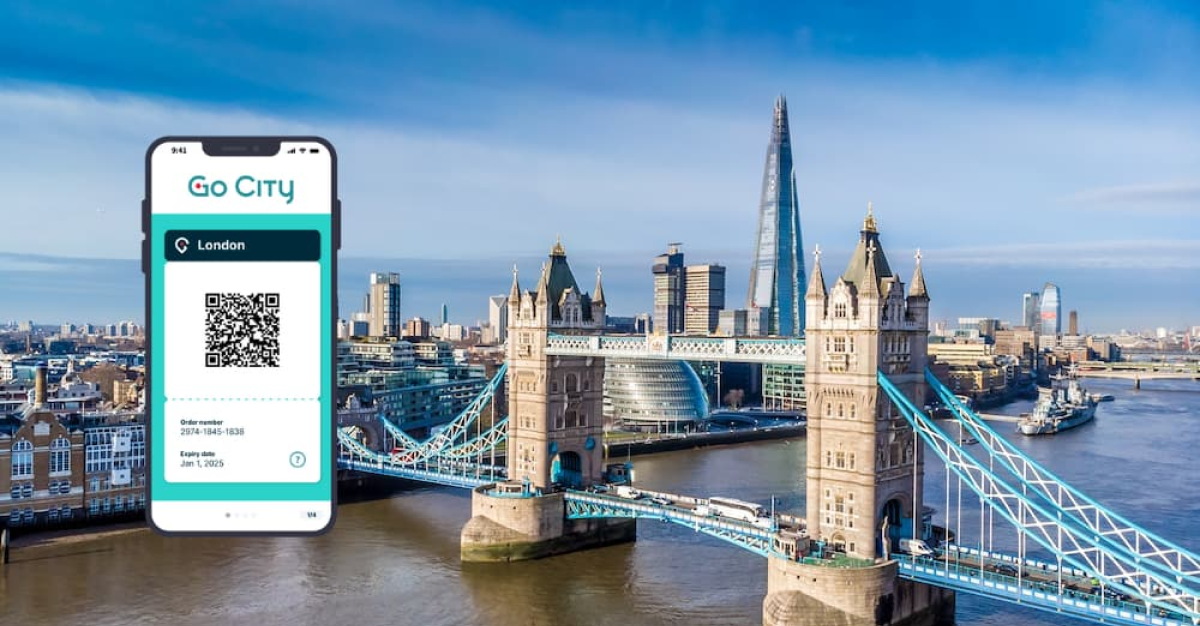
London rewards planners who love history and are comfortable booking ahead. The savings can be solid, especially with multi-day passes, but river cruises and popular time slots fill quickly.
Paris is more sensitive to how clustered your plans are. Museum-heavy days work well. Scattered sightseeing mixed with long meals and wandering neighborhoods does not.
The pattern across cities looks like this.
| City Comparison | Avg. Savings (High Use) | Attractions Needed to Break Even | Best Pass Type |
| New York | 40-50% | 7-8 | All-Inclusive |
| London | 35-45% | 6-7 | Explorer |
| Paris | 30-40% | 5-6 | All-Inclusive |
Who Go City Is Actually Good For?
If you travel with structure, early mornings, and a clear list of must-sees, Go City can feel freeing. Everything is prepaid. You focus on moving through the city instead of pulling out your wallet.
If you prefer slow starts, long lunches, and letting the day decide, the pass can quietly work against you. You might still enjoy the trip, but you will wonder if the money could have been spent better elsewhere.
Neither style is wrong. The mistake is buying a pass that does not match how you actually travel.
Final Take
Go City is not a trick, and it is not a guaranteed win either. It is a tool that rewards certain habits and gently punishes others.
If your trip is built around attractions and you like having a plan, it can save money and mental energy. If your joy comes from wandering, eating, and seeing only a few highlights, it may feel like pressure you did not need.
The best decision usually comes from a simple exercise. Write down what you honestly want to do, not what you think you should do. Add up the real prices. Then decide.
That clarity alone is worth more than any promised discount!
