
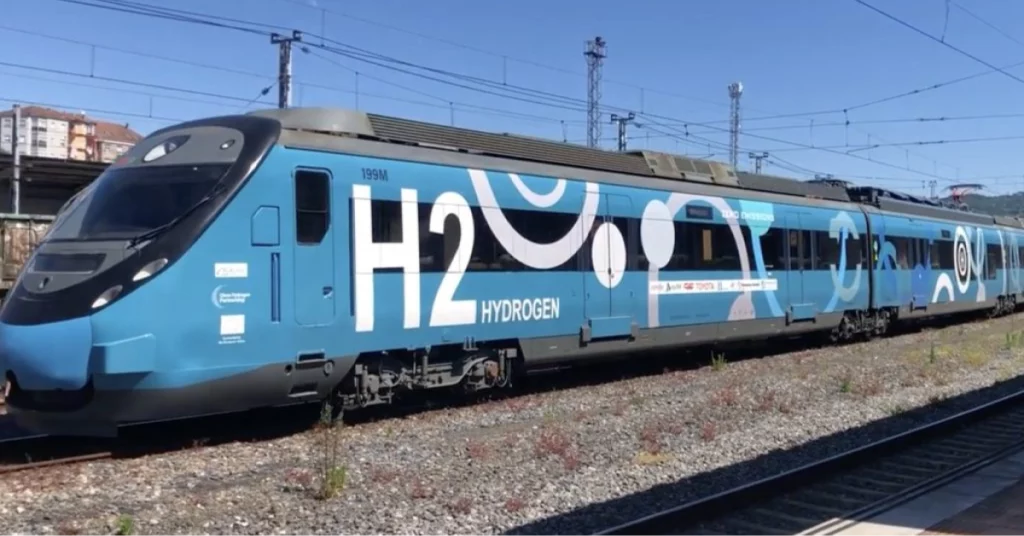
Indian Railways is one of the largest railway networks in the world. Interestingly, we are set to welcome a game-changing innovation in our railway network i.e. water powered Hydrogen Trains!

Guess what? This futuristic mode of transportation is not just about upgrading technology but about paving the way for an eco-friendly future.
If you’re curious about how these trains work and what they mean for the country, then go through this article to find out!
What are Water Powered Hydrogen Trains?
Let’s begin our discussion by defining the technology. As the name suggests, this type of train doesn’t need diesel or direct electricity to run.
Instead, it uses “hydrogen fuel cells” to create energy. These fuel cells combine hydrogen and oxygen, producing electricity to power the train. The best part? The only byproducts of this process are steam and water. No harmful emissions, no pollution, no damage to the environment!
This makes hydrogen powered trains a clean and green alternative to traditional diesel engines.
Now, you might wonder, “Where does water come into the picture?” Hydrogen is often extracted from water using a process called electrolysis, making these trains indirectly water powered.
Why does India need Hydrogen trains?
As you already know, India’s railway network is one of the largest in the world, carrying millions of passengers daily. But with great scale comes a big environmental footprint. Many trains still rely on diesel or coal-based electricity, contributing to pollution.
Enter hydrogen powered trains a perfect solution to reduce emissions while maintaining efficiency. They not only lower carbon footprints but also help India align with global sustainability goals.
Key Features of the Water Powered Hydrogen Trains
- Eco-Friendly Design: These trains emit only steam and water vapor, making them zero-pollution vehicles.
- Quiet Operation: They are 60% quieter than diesel trains, offering passengers a more comfortable journey.
- Impressive Speed and Range: Capable of reaching speeds of 140 km/h, these trains can cover up to 1,000 kilometers on a single run.
- Passenger Capacity: They offer the same seating capacity as current trains, ensuring no compromise on convenience.
- Cost: Each train costs approximately Rs.80 crore, a worthy investment for a greater future.
Launch Plans and Routes
The first water powered hydrogen train is set to roll out by December 2024. Its pilot route will be the 90-kilometer Jind-Sonipat stretch in Haryana. This route is ideal for testing the train’s capabilities in a controlled environment.
But that’s not all. Indian Railways is also considering deploying these trains on scenic routes like-
- Darjeeling Himalayan Railway
- Kalka-Shimla Railway
- Nilgiri Mountain Railway
Tourists like you and me will enjoy breathtaking views while traveling on a train that doesn’t harm the environment. Sounds like a dream, doesn’t it?
The Bigger Picture: Expansion Plans
Indian Railways plans to introduce 35 hydrogen-powered trains across the country. However, implementing such advanced technology requires robust infrastructure. Here’s what is required-
| Requirement | Current Progress |
| Hydrogen Fuel Cells | Installation is underway in key locations |
| Hydrogen Production Plants | Designs approved and construction initiated |
| Specialized Storage Facilities | Being built to manage water and hydrogen needs |
While the initial investment may seem steep, the long-term benefits in terms of reduced pollution and operational costs make it a smart choice.
How do these trains work?
The science behind hydrogen trains is both fascinating and simple-
- Hydrogen Storage: The train carries hydrogen in pressurized tanks
- Energy Generation: In fuel cells, hydrogen combines with oxygen from the air to produce electricity.
- Movement: This electricity powers the train’s motor.
- Byproducts: The process releases only steam and water, making it completely clean.
To keep the trains running, large quantities of water i.e. about 40,000 litres per hour will be needed to extract hydrogen. Special storage and refueling stations will be set up to meet this demand.
Advantages of Water Powered Hydrogen Trains
- Environmental Benefits: No greenhouse gases or harmful emissions are released.
- Energy Efficiency: Hydrogen offers higher energy density compared to diesel, ensuring longer runs with fewer refueling stops.
- Noise Reduction: Quieter trains mean a more peaceful travel experience.
- Global Recognition: By adopting hydrogen trains, India joins the league of eco-friendly nations like Germany and Japan, which already use such technology.
Note: Do you know how to check the TDS of water? If not, then go through the article- Best practices to determine the TDS of water.
Challenges to Overcome
Of course, every great innovation comes with its own set of challenges, such as-
- High Initial Cost: Hydrogen trains are expensive to build and maintain.
- Infrastructure Needs: Setting up hydrogen plans and refueling stations requires time and resources.
- Water Consumption: with India already facing water scarcity in some regions, sourcing enough water sustainably is critical.
Despite these hurdles, the long-term benefits make hydrogen trains a worthwhile investment for India’s future.
The Future of Water Powered Hydrogen Trains in India
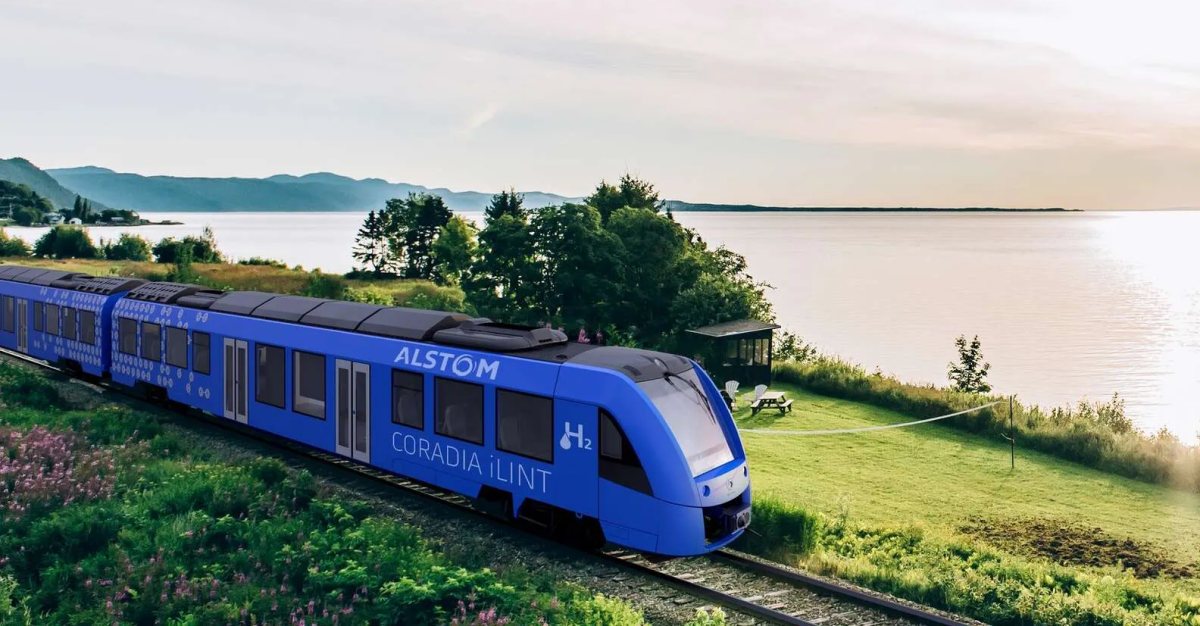
This initiative isn’t just about trains. It’s about transforming the way India thinks about transportation and sustainability. With the government’s commitment to reducing carbon emissions, hydrogen trains could soon become the standard for rail travel.
But the benefits go beyond the environment. Hydrogen trains can also boost local industries by creating demand for hydrogen production and infrastructure development. Moreover, they can attract international attention, positioning India as a leader in green technology.
Why should you care?
If you’re someone who values clean air, quieter cities, and sustainable progress, the introduction of water powered hydrogen trains is a step in the right direction. These trains are more than just a mode of transport. They’re a symbol of a greener, better future for all of us.
So, the next time you hear about hydrogen trains rolling down the tracks, remember that they’re not just powered by water. They’re powered by the vision of a cleaner India.
Final Thoughts
India’s first water powered hydrogen train is more than just an innovation. It’s a revolution in transportation. By combining cutting-edge technology with sustainability, these trains promise to redefine how you travel.
With their launch just around the corner, the era of pollution-free railways is closer than ever. It’s not just about moving people. Thus, we will have a brighter and cleaner future ahead!
