
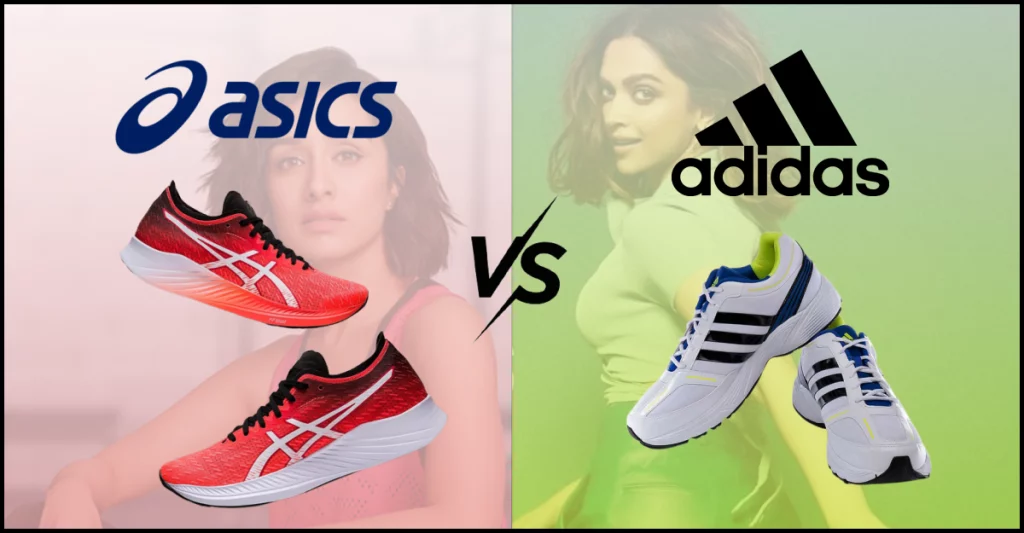
When it comes to high-performance footwear and stylish athleisure, two names dominate the conversation- Asics vs Adidas. Whether you’re a marathoner logging hundreds of kilometers a month, a gym-goer looking for cross-training shoes, or simply someone who appreciates sneaker culture, choosing between these two titans can be tough.
This comprehensive 2025 comparison breaks down everything you need to know: technology, performance, pricing, business presence, sustainability, and more. Let’s go through it and decide—Asics or Adidas?
Brand Overview: Asics vs Adidas
Asics was founded on a philosophy: Anima Sana In Corpore Sano—“A Sound Mind in a Sound Body.” It’s reflected in their science-forward designs and injury-preventive engineering.
Adidas, with deeper roots and broader global appeal, is a brand that seamlessly blends athletic prowess with streetwear aesthetics. Whether it’s the UltraBoost, Adizero, or Yeezy, Adidas has mastered the crossover appeal.
Let’s look at the profile of both companies-
| Feature | Asics | Adidas |
| Founded | 1949 (as Onitsuka Tiger) | 1924 (as Dassler Brothers); Adidas in 1949 |
| Headquarters | Kobe, Japan | Herzogenaurach, Germany |
| Global Presence | 1,900+ outlets globally | ~1,933 retail stores worldwide |
| Focus | Running, athletics, and foot health | Performance, lifestyle, fashion |
| Market Entry in India | 2010 | 1995 |
| Key Rivals | Nike, Adidas, New Balance | Nike, Puma, Asics, Reebok, Under Armour |
Note: We have also covered the following articles. Go through them for more info-
Performance & Technology Breakdown
Running Shoe Tech
| Aspect | Asics | Adidas |
| Cushioning Tech | GEL™, FlyteFoam™, MetaSpeed™ | Boost™, Lightstrike Pro, Dreamstrike+ |
| Racing Models | MetaSpeed Sky+, Gel-Nimbus 26 | Adizero Adios Pro 4, Evo SL, Boston 12 |
| Weight (Flagship) | ~210g (MetaSpeed Sky+) | ~201g (Adios Pro 4) |
| Energy Return | Stable and efficient | High energy return, springy feel |
| Drop Range | 5–8 mm | 8–10 mm |
| Fit & Comfort | Structured, snug, stability-focused | Plush, sock-like, wider forefoot in some |
Asics dominates the long-distance, high-performance running category. Its GEL™ cushioning reduces impact shock, and the MetaSpeed series is optimized for stride mechanics.
Adidas brings tech like Boost foam and Lightstrike Pro, offering soft yet responsive rides. Their Adizero line is a favorite among marathoners and competitive racers.
Lifestyle & Cross-Training
| Category | Asics | Adidas |
| Gym & Training | Novablast, Gel-Quantum series | Dropset Trainer, Ultraboost Light |
| Lifestyle Shoes | Onitsuka Tiger Mexico 66 | Samba, Stan Smith, Yeezy, NMD |
| Street Appeal | Subtle, minimalist | Bold, urban, trend-forward |
Adidas wins hands down in the style game. From fashion week to the football pitch, its iconic designs and celebrity collaborations (Kanye West, Pharrell) make it a cultural giant.
Asics, though understated, is gaining popularity through retro styles like Onitsuka Tiger.
Durability, Comfort, and Fit
| Feature | Asics | Adidas |
| Durability | Excellent for high-mileage runners | Good, especially the Boost and Terrex lines |
| Foot Support | Strong arch, heel stability | More neutral; some models lack structure |
| Comfort | Firm but supportive | Cushioned, adaptive fit |
| Overpronation Fit | Great options (e.g., Kayano series) | Fewer dedicated stability models |
| Wide Foot Options | Available in many running models | Select models available |
Asics is the go-to for runners with specific biomechanical needs—think flat feet, overpronation, or injury recovery. Adidas caters more broadly but may feel too soft or loose for some athletes.
Price & Value for Money in 2025 (India)
| Price Tier | Asics | Adidas |
| Entry-level | ₹5,000–₹7,000 | ₹5,000–₹8,000 |
| Mid-tier | ₹8,000–₹14,000 | ₹9,000–₹16,000 |
| Premium (Performance) | ₹15,000–₹22,000+ | ₹17,000–₹25,000+ |
Adidas pricing is higher on average, especially for its limited releases and high-performance racers. Asics offers slightly better value at the entry and mid-range tiers, especially for serious runners.
Sustainability & Eco-Friendly Initiatives
| Sustainability Factor | Asics | Adidas |
| Use of Recycled Materials | Growing focus, varies by collection | Primegreen, Primeblue, widespread use |
| Packaging | Basic eco-material packaging | 100% recycled packaging across many products |
| Goals | Reduce CO2 emissions, increase material traceability | Net-zero carbon by 2050 |
Adidas is leading in sustainability, with strong commitments, global programs, and eco-packaging. Asics is catching up with focused green initiatives but still trails Adidas in scope and marketing.
Asics vs Adidas: Business Comparison & Financials
| Business Aspect | Asics | Adidas |
| Global Revenue | $4.41 billion | $25.82 billion |
| Market Capitalization | $17.77 billion | $43.31 billion |
| Profit (FY2024–25) | $300.4 million | $1.46 billion |
| Cash Flow (2024) | $74 million | $3.20 billion |
| Market Share | 5.38% (India) | 19% (Global) |
Despite Adidas‘s overwhelming scale, Asics shows lean, efficient operations. The smaller company posts healthy profits and reinvests wisely in performance R&D.
In India, Adidas leads with a robust presence and market share, especially in metro and youth markets. Asics, however, is quietly building loyalty among core runners and athletes.
Customer Feedback: Real-World Insights
| Customer Insight | Asics | Adidas |
| Comfort | Firm, supportive, especially for runners | Ultra-comfy, soft, loved for casual use |
| Longevity | High durability, consistent structure | Great until high mileage, then softens |
| Looks & Aesthetics | Functional, subtle | Trendy, bold, Instagram-worthy |
| Performance Support | Exceptional in long runs & marathons | Better for speed and style versatility |
Asics is loved by marathoners and older fitness-focused customers who value stability and support. Adidas gets more love from younger, style-conscious users who want both performance and visual appeal.
Which One Should You Choose in 2025?
Choose Asics If You:
- Are a serious runner or athlete
- Struggle with injuries or overpronation
- Need structured support and high durability
- Value performance engineering over trendiness
Choose Adidas If You:
- Want stylish, versatile shoes for daily use
- Are into gym workouts, casual sports, or streetwear
- Crave plush cushioning and a bouncy feel
- Love tech innovation and celebrity collaborations
Final Verdict: There Is No One-Size-Fits-All
The Asics vs Adidas debate isn’t about who’s objectively “better.” It’s about who’s better for you. Asics is the surgeon’s scalpel—precise, technical, and purpose-built. Adidas is the Swiss Army knife—versatile, stylish, and packed with innovation.
If you’re focused on performance running or long-term injury prevention, Asics delivers reliability you can trust. But if you want your sneakers to turn heads while still powering you through the gym or a casual 5K, Adidas has you covered.
FAQs: Asics vs Adidas 2025
1. Are Asics shoes good for flat feet or overpronation?
Yes. Models like the Gel-Kayano or GT series are tailored for stability and arch support.
2. Is Adidas good for running?
Absolutely! The Adizero series is among the top-tier racers globally.
3. Which brand lasts longer—Asics or Adidas?
Asics shoes tend to have a slight edge in durability, especially for long-distance runners.
4. Do Adidas shoes run narrow?
Some high-performance models like the Adios Pro 4 do, but many lifestyle models offer standard or wider fits.
5. Is Asics more expensive than Adidas?
On average, no. Asics offers more in the mid-range, while Adidas’s premium lines (like Ultraboost and Yeezy) often cost more.
Still stuck between Asics vs Adidas? Visit a local store, try both, and let your feet decide. Because no brand wins until you do.
