
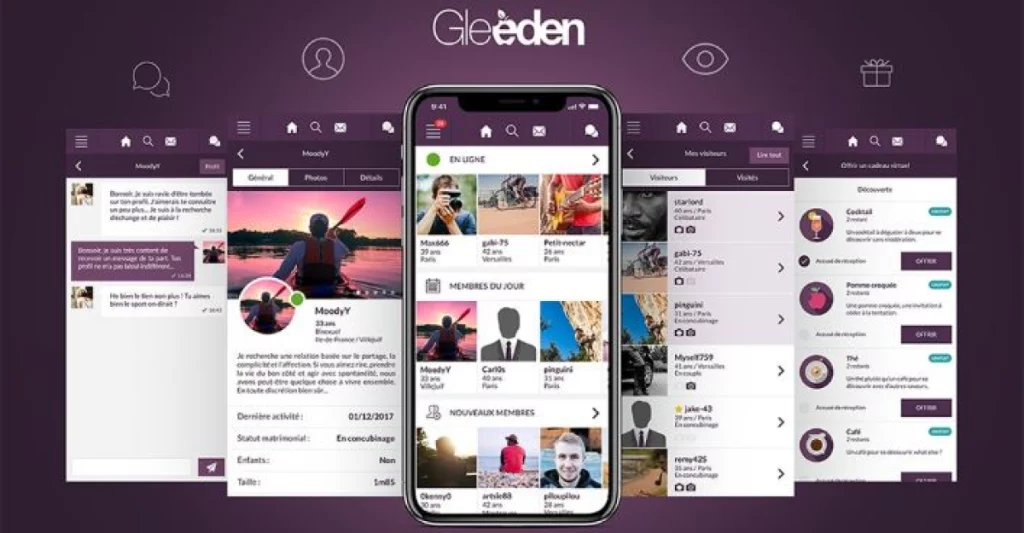
In a country where marriage is often treated as sacred, permanent, and socially non-negotiable, the rise of Gleeden feels almost paradoxical.
On the surface, India still celebrates weddings as life’s ultimate milestone. But behind that public narrative, a quieter shift has been taking place. People are questioning, exploring, and in many cases, seeking something beyond their existing relationships.
This is where Gleeden found its moment.
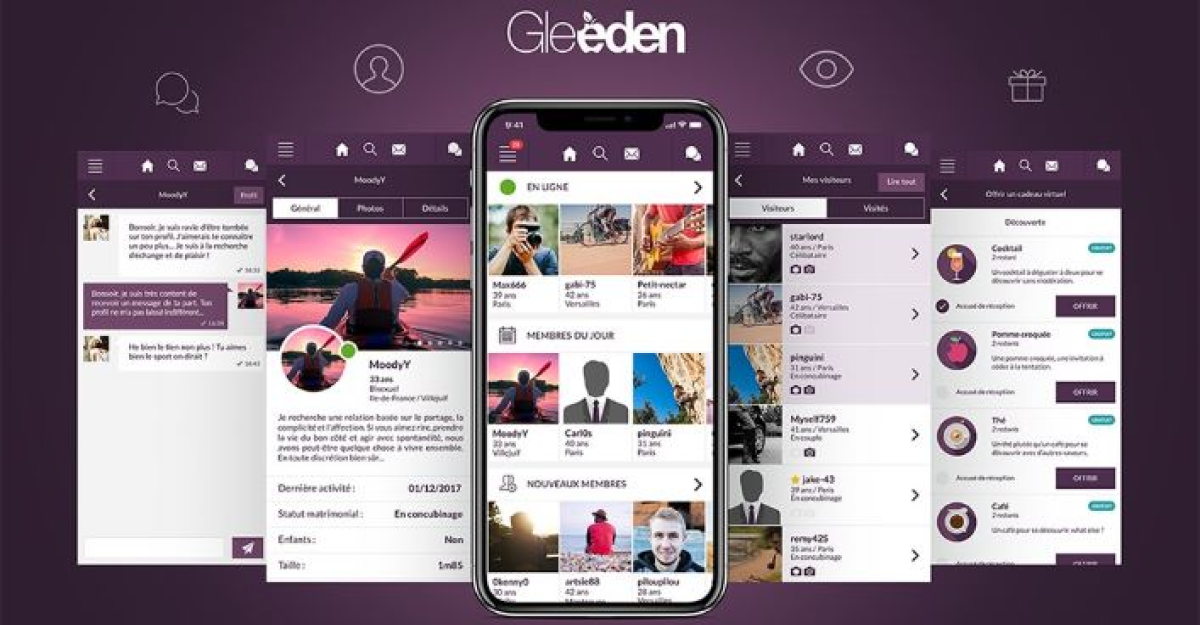
What started as a niche platform in France has grown into one of the most talked-about extra-marital dating platforms in India. And not because it followed the rules, but because it rewrote them.
So, let’s decode the Gleeden success story that came from the rise of infidelity in India’s most so-called “Traditional” society.
Profile Overview: Gleeden at a Glance
| Particulars | Details of Gleeden |
| Founded | 2009 |
| Origin Country | France |
| Primary Positioning | Extra-marital dating platform |
| Target Audience | Married or committed individuals |
| Business Model | Freemium (Credits and Subscriptions) |
| Key Markets | Europe, India |
| Indian User Base | 4 million+ users |
| Global User Base | 10 million+ users |
| Core USP | Discreet, privacy-first affair platform |
| Competitors | Ashley Madison, Victoria Milan, Noislib, Feeld, etc. |
How Gleeden Started?
Gleeden was launched in France in 2009 with a very specific idea. It was not trying to be another dating app. It was not trying to help people find love or marriage.
It was built for people who were already in relationships.
That clarity made it stand out immediately. While most dating platforms avoided controversial positioning, Gleeden embraced it. It openly marketed itself as a platform for affairs.
In Europe, where conversations around relationships, autonomy, and personal choice were already evolving, this positioning worked. The app found its audience without needing to disguise its purpose.
India, however, was a very different story.
For years, it remained a secondary market. The cultural landscape seemed too conservative, too risk-averse, and too rooted in traditional values for an app like Gleeden to thrive.
But that assumption did not hold for long.
Why India Became Gleeden’s Biggest Growth Market?
Gleeden did not force its way into India. It grew because the environment slowly started aligning with what it offered.
Several factors came together at the right time.
Urban Relationships Became More Functional Than Emotional
In major cities, relationships began to change.
Dual-income households became the norm. Long commutes, work pressure, and financial responsibilities started dominating daily life. Couples spent less time connecting and more time managing routines.
Many marriages continued to function smoothly on the outside, but internally, emotional and physical intimacy began to fade.
Gleeden stepped into this gap. It did not promise to replace marriage. It offered something parallel to it.
Women Became a Key Growth Driver
One of the most important aspects of the Gleeden success story in India is the rise of female users.
Traditionally, platforms in this space tend to be heavily male-dominated. But Gleeden actively worked to change that.
Urban, educated, financially independent women began exploring spaces where they could:
- Seek emotional validation
- Express desire without judgment
- Escape the pressure of being “perfect” partners
Gleeden’s design and communication made it feel safer compared to many other platforms. That shift created a powerful network effect.
When women feel relatively secure, engagement improves. When engagement improves, the platform becomes more valuable for everyone.
Digital Privacy Became Normal
By the mid-2010s, Indian users had become far more comfortable managing their digital privacy.
People were already using:
- App locks
- Hidden folders
- Multiple email accounts
- Secret chat platforms
This meant that maintaining a “private digital space” was no longer difficult.
Gleeden did not need to teach users how to be discreet. It simply provided a platform that fit into habits they had already developed.
Why Gleeden Worked in India?
| Factor | Details |
| Urban Relationship Stress | Functional marriages with reduced emotional and physical intimacy |
| Rising Female Participation | More independent women seeking validation and connection |
| Digital Privacy Awareness | Users already comfortable with hidden apps, locks, and anonymous interactions |
| Cultural Curiosity | Growing exposure to global relationship norms and experimentation |
| Lack of Direct Compensation | Few platforms openly catering to extra-marital needs |
Product Decisions That Made Gleeden Work
Timing helped, but Gleeden’s success is deeply rooted in how it built its product.
1. Clear and Unapologetic Positioning
Most platforms try to appeal to everyone. Gleeden did the opposite.
It focused on a very specific audience and spoke directly to them.
There was no need for users to pretend they were “just exploring” or “looking for friends.” The intent was understood from the beginning.
This honesty created trust within its niche. Users felt seen rather than judged.
2. Privacy as the Core Feature, Not an Add-On
In India, privacy is not optional for an app like Gleeden. It is essential.
The platform built its experience around that reality.
Key features include:
Nickname-based profiles instead of real identities
Blurred or hidden profile photos
Panic exit options
Discreet notifications
Controlled visibility of profiles and messages
These are not just technical features. They directly influence user behavior.
When users feel protected, they engage more freely. That is exactly what Gleeden enabled.
Key Product Features That Drove Growth
| Feature | Purpose |
| Nickname Profiles | Protects real identity |
| Photo Blurring | Adds an extra layer of privacy |
| Panic Button | Quick exit in risky situations |
| Discreet Notifications | Prevents suspicion from others |
| Controlled Visibility | Limits who can view profiles or photos |
| Paid Access Filters | Reduces spam and improves user quality |
3. A Women-First Approach
Gleeden understood early that its ecosystem would collapse without a strong female user base.
So it shaped its communication accordingly.
Instead of focusing only on excitement or thrill, it addressed:
- Emotional dissatisfaction
- Loneliness within marriage
- The feeling of being overlooked
This messaging resonated with many women who felt unheard in their personal lives.
As more women joined and stayed active, the platform naturally became more balanced and sustainable.
How Gleeden Scaled in India?
Growth did not happen overnight. Gleeden built momentum through smart positioning and consistent visibility.
1. Turning a Taboo into a Conversation
Rather than hiding from criticism, Gleeden leaned into it.
It framed affairs not as reckless behavior but as a response to unmet needs. This subtle shift in narrative made the topic more discussable.
People might not openly support it, but they became curious enough to explore it privately.
2. Creating City-Specific Buzz
Gleeden frequently released data about user behavior across cities.
Reports like:
Which city has the most users
Peak activity hours
Growth in female participation
These stories made headlines.
When users saw their own city being mentioned, it created a sense of relevance. The app no longer felt distant or foreign.
3. Using Data as Marketing
Instead of traditional advertising, Gleeden relied heavily on data-driven storytelling.
Every statistic became a conversation starter.
Media outlets picked up these insights, turning them into articles and discussions. This gave Gleeden continuous visibility without aggressive promotion.
Gleeden Business Model: How Gleeden Makes Money?
Gleeden operates on a freemium model.
Signing up is free, but meaningful interactions often require credits or paid features.
The pricing strategy is carefully structured:
Men typically pay more for access and communication
Women often get free or discounted access
This approach is intentional.
A balanced user base increases engagement. Higher engagement leads to better retention and revenue.
In India, this model works particularly well because:
Paying users are highly motivated
The niche audience values quality over volume
Discretion adds perceived value to the service
Gleeden Monetisation Model
| User Type | Access Level | Revenue Strategy |
| Women | Mostly free or subsidised | Drives engagement and platform balance |
| Men | Paid credits for interaction | Primary revenue source |
| Premium Users | Enhanced visibility and control | Higher retention and monetisation |
Gleeden vs Traditional Dating Apps: How Gleeden is different from Conventional Dating Apps?
| Aspect | Gleeden | Traditional Dating Apps |
| Target Users | Married/committed individuals | Mostly singles |
| Intent | Affairs, emotional or physical connections | Dating, relationships, marriage |
| Privacy Level | Extremely high | Moderate |
| Profile Identity | Anonymous / nickname-based | Real identity-focused |
| Communication Tone | Direct and discreet | Casual to Serious |
Criticism and Controversy
The rise of Gleeden has not been without backlash.
Moral and Cultural Concerns
Many critics argue that the platform promotes infidelity and weakens the institution of marriage.
In a society where family values are deeply rooted, this remains a sensitive topic.
Legal Complexity
Adultery is no longer a criminal offense in India, but it still has legal implications in divorce cases.
This places Gleeden in a complicated space. It is legal, but not socially accepted.
Challenges Faced by Gleeden
| Challenge | Impact |
| Moral Criticism | Negative perception in conservative segments |
| Legal Sensitivity | Linked to divorce implications despite being legal |
| Emotional Risks | User attachment and relationship fallout |
| Data Privacy Concerns | Trust dependency on platform security |
Emotional Risks
While the app focuses on privacy, it cannot protect users from emotional consequences.
Relationships formed on such platforms can lead to:
Attachment
Guilt
Conflict in primary relationships
Experts often point out that these apps address symptoms, not underlying issues.
Note: We have already explained the top 10 extra marital dating apps in India. Do check them out for more options.
What Gleeden’s Success Reveals About India?
The success of Gleeden is not just about one company growing in a niche market.
It reflects deeper shifts in society.
- Marriage is evolving from an obligation to expectation management
- Emotional dissatisfaction is becoming more visible
- Technology is enabling private choices at scale
- Women are asserting more control over their personal lives
Most importantly, it shows the gap between public values and private behavior.
People may not talk about these changes openly, but their actions are telling a different story.
What Gleeden’s Growth Signals?
| Insights | Outcomes |
| Shift in Relationship Expectations | People seek more than stability in marriage |
| Rise of Private Digital Lives | Users are comfortable in managing dual identities |
| Female Empowerment | Women actively exploring emotional and personal needs |
| Tech-Driven Behavior Change | Apps enabling actions that were earlier difficult |
The Future of Gleeden in India
The road ahead for Gleeden is both promising and challenging.
To sustain its growth, it needs to:-
- Continuously strengthen privacy and data protection
- Maintain a safe and balanced user environment
- Adapt to changing cultural and political narratives
If it succeeds, Gleeden will remain more than just a dating app.
It will continue to be a case study in how technology can quietly reshape one of the most deeply rooted aspects of Indian society.
Final Thoughts on the Gleeden Success Story
The Gleeden success story is not loud or dramatic. It is subtle, layered, and deeply reflective of modern life.
It does not create desires. It reveals them.
In doing so, it has carved out a space that many believed could never exist in India.
Whether seen as controversial or inevitable, one thing is clear.
Gleeden has changed the conversation around relationships, privacy, and choice. And that conversation is only getting started.
What are your thoughts on this? Do let me know in the comment section!
