
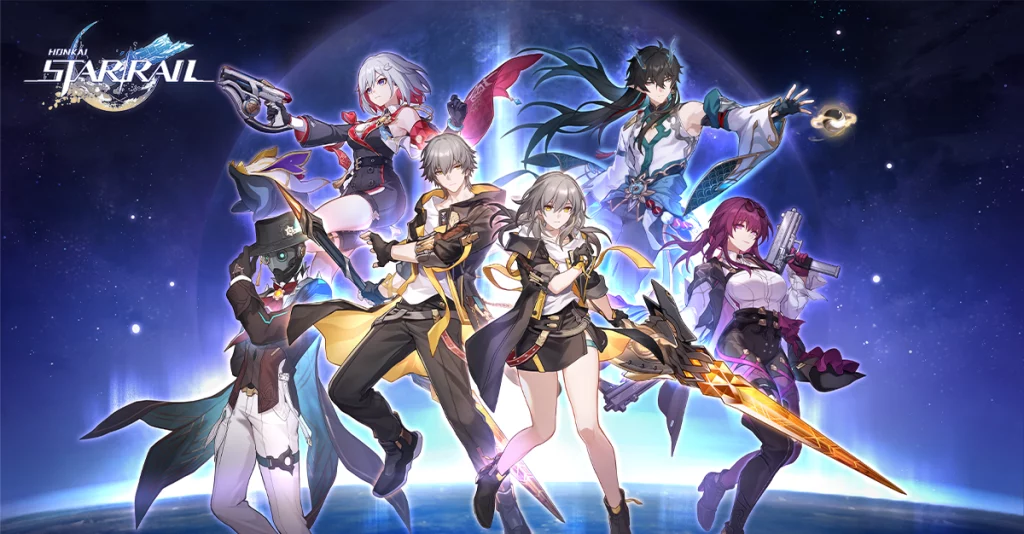
When you think of a game that blends breathtaking graphics, innovative storytelling, and unparalleled gameplay, Honkai: Star Rail immediately comes to mind. Developed by HoYoverse (formerly miHoYo) and launched in April 2023, this game has quickly established itself as a titan in the world of mobile and PC gaming.
Riding on the tail of its immensely popular predecessor, Genshin Impact, Honkai: Star Rail managed to carve out its own unique identity and audience. But what exactly makes this game such a monumental success?
Let’s peep into the Honkai Star Rail success story to uncover the key factors behind its rise!
The Foundation: Leveraging the Legacy of HoYoverse
When a game comes from the creators of Genshin Impact and the Honkai series, expectations are naturally sky-high. HoYoverse has been known for its ability to produce games that excel in storytelling, character development, and immersive worlds.
With Honkai: Star Rail, the company smartly leveraged its reputation and experience to appeal to both long-time fans and newcomers.
Existing Fanbase
- The game is part of the larger Honkai universe, which already had a loyal player base from earlier titles like Honkai Impact 3rd. This established audience was eager to explore new characters, storylines, and gameplay mechanics.
- Fun fact: Over 10 million players pre-registered for Honkai: Star Rail before its release, setting the stage for its massive launch.
Cross-Promotion with Genshin Impact
HoYoverse capitalized on the success of Genshin Impact by introducing cross-promotions, ensuring fans of one game were encouraged to try the other. Players familiar with HoYoverse’s storytelling and quality graphics knew they were in for a treat.
Business Model: Free-to-Play, Pay-to-Win
At its core, Honkai Star Rail operates on a free-to-play model, making it accessible to millions. However, the magic lies in its monetization strategies.
The Gacha System
The heart of Honkai Star Rail’s revenue lies in its Gacha-based system. Players spend real money on Stellarons, the in-game currency, to purchase “Warp” tickets. These tickets unlock characters or items through randomized draws. The thrill of getting rare characters keeps you hooked—and spending.
Within its first month, the game raked in $100 million, making it one of the fastest-grossing mobile games in history.
In-Game Purchases
If you love customization, Honkai Star Rail doesn’t disappoint. From unique character skins to battle passes, the game keeps tempting you with upgrades. Seasonal events with exclusive items further drive spending.
| Monetization Strategies | Examples | Impact |
| Gacha System | Stellarons, Warps | High revenue |
| Character Skins | Custom animations | Enhanced visuals |
| Battle Passes | Exclusive rewards | Long-term engagement |
Note: We have also covered Clash of Clans success story. Go through the article for detailed information.
Marketing Strategies: The Secret to Success
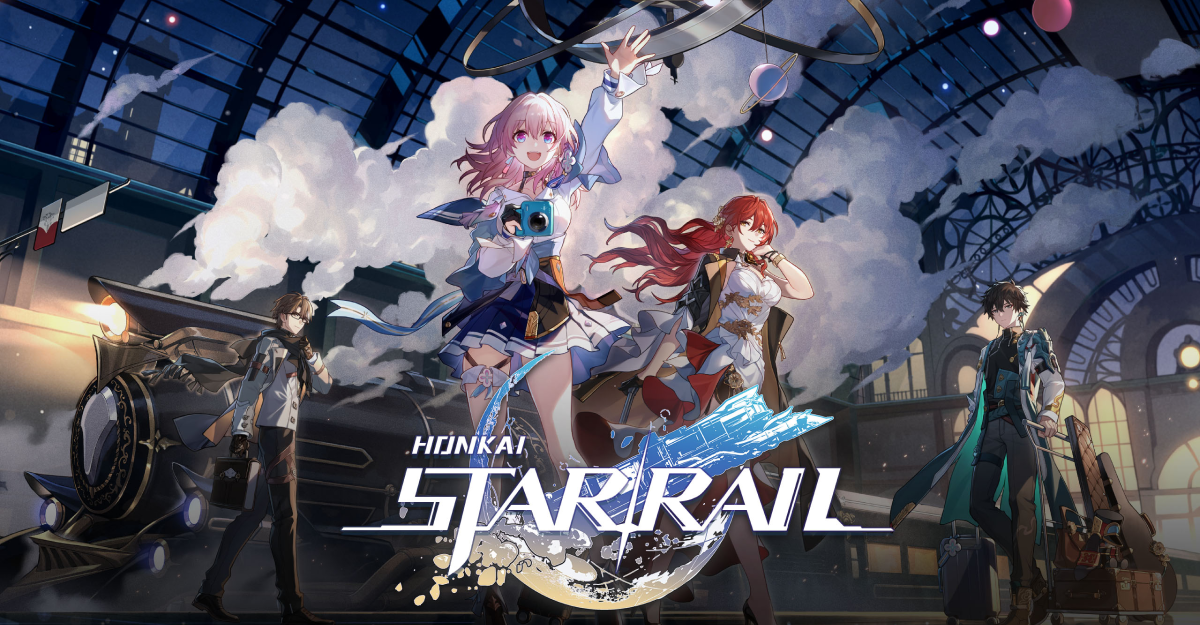
HoYoverse knows how to market a game, and Honkai Star Rail is a shining example.
Pre-Launch Hype Generation
- Closed Beta Testing: HoYoverse strategically ran closed beta tests to let selected players experience the game early. These tests served a dual purpose: generating excitement and refining gameplay based on feedback.
- Cinematic Trailers: Visually stunning teaser trailers showcased Honkai: Star Rail’s characters and its breathtaking sci-fi universe. These trailers were circulated on YouTube, Twitter, and TikTok, generating curiosity and fueling anticipation.
Influencer Partnerships
- Streamers & YouTubers: Gaming influencers like Tectone and Enviosity streamed the beta version of the game, providing valuable exposure and reviews to their vast audiences.
- Social Media Campaigns: The marketing team launched interactive TikTok challenges, encouraging players to showcase their favorite characters or gameplay moments using trending hashtags like #StarRailChallenge.
Engagement Through Community Events
- Online Fan Events: HoYoverse conducted interactive sessions, where players engaged with game developers and lore discussions. These events strengthened community ties and heightened anticipation.
- Fan Art and Cosplay Contests: These contests inspired fans to create artwork and cosplay inspired by Honkai: Star Rail. Rewards such as in-game currency and exclusive merchandise drove higher participation rates.
Cross-Promotional Strategies
- Integration with Existing Titles: Loyal fans of Genshin Impact were drawn into Honkai: Star Rail through crossover promotions, such as in-game rewards for trying both games.
- Collaborations with Media Platforms: Special promotions on Spotify and anime platforms introduced the game to anime enthusiasts who might not otherwise play.
Localized Marketing Campaigns
Tailored campaigns included regional advertisements and partnerships with local creators. For instance, localized promotions in Japan featured collaborations with popular manga artists, while in the West, influencer streams took center stage.
Post-Launch Engagement
- Seasonal Updates and Events: Regular updates, including limited-time characters and story arcs, kept players invested. Event tie-ins with holidays and ongoing sci-fi themes ensured steady player engagement.
- Interactive Social Media: HoYoverse maintained high interaction rates with fans on Twitter and Discord, sharing memes, updates, and user-generated content that resonated with the gaming community.
Results
- Massive Launch Success: The game recorded over 20 million downloads within weeks of release.
- Strong Retention Rates: Engaging gameplay and consistent updates ensured a steady base of active users.
- Wider Market Reach: Honkai: Star Rail successfully expanded HoYoverse’s audience beyond its loyal fanbase, reaching casual gamers and sci-fi enthusiasts globally.
Honkayi Star Rail Statistics That Speak Volumes
Here are some mind-blowing numbers that highlight the scale of Honkai: Star Rail’s success-
| Metric | Value |
| First-Month Revenue | $100 million+ |
| Pre-Registrations | 10 million+ |
| Total Downloads (2023) | Over 50 million |
| Active Players per Day | Millions across regions |
| Playable Characters (2023) | 46 |
Every success story comes with its share of hurdles, and Honkai Star Rail was no exception. In the next section, we will discuss the challenges faced by Honkai Star Rail.
Challenges & Solutions
This analysis explores the key challenges Honkai Star Rail encountered and the solutions implemented to overcome them-
| Challenge | Details | Solution | Details |
| Market Competition and Genre Transition | Entered a competitive market with titles like Fate/Grand Order and Raid: Shadow Legends. Transitioning from action RPG to turn-based RPG posed risks due to lack of prior experience. | Unique Storytelling | Created a space comedy atmosphere and integrated characters from other HoYoverse titles. This approach appealed to existing fans and attracted new players. |
| Player Retention and Engagement | Free-to-play games risk losing players after the initial excitement fades without consistent new content. | Regular Updates | Introduced 46 playable characters and new storylines within the first year. Added plans for introducing new worlds every year to maintain fresh content. |
| Power Creep and Game Balance | Power creep risked newer characters overshadowing older ones, disrupting game balance. | Balance Patches | Actively monitored character performance, introduced balance updates, and communicated transparently with players to ensure fairness and maintain trust. |
| Technical Issues and Player Feedback | Faced server stability problems during peak times, negatively affecting player experience. | Server Optimization | Enhanced server capacity, optimized performance using real-time data, and created channels for player feedback on platforms like Discord, allowing timely resolution of technical issues. |
| Content Creation Fatigue | An ambitious roadmap with multiple updates per year posed risks of developer burnout and potential delays in releases | AI Integration | Used AI technology for character design and animation to streamline development while maintaining quality. This balanced human creativity with technological support to reduce fatigue |
That’s how challenges can be transformed into opportunities for sustained success!
Key Takeaways from Honkai: Star Rail for New Game Makers
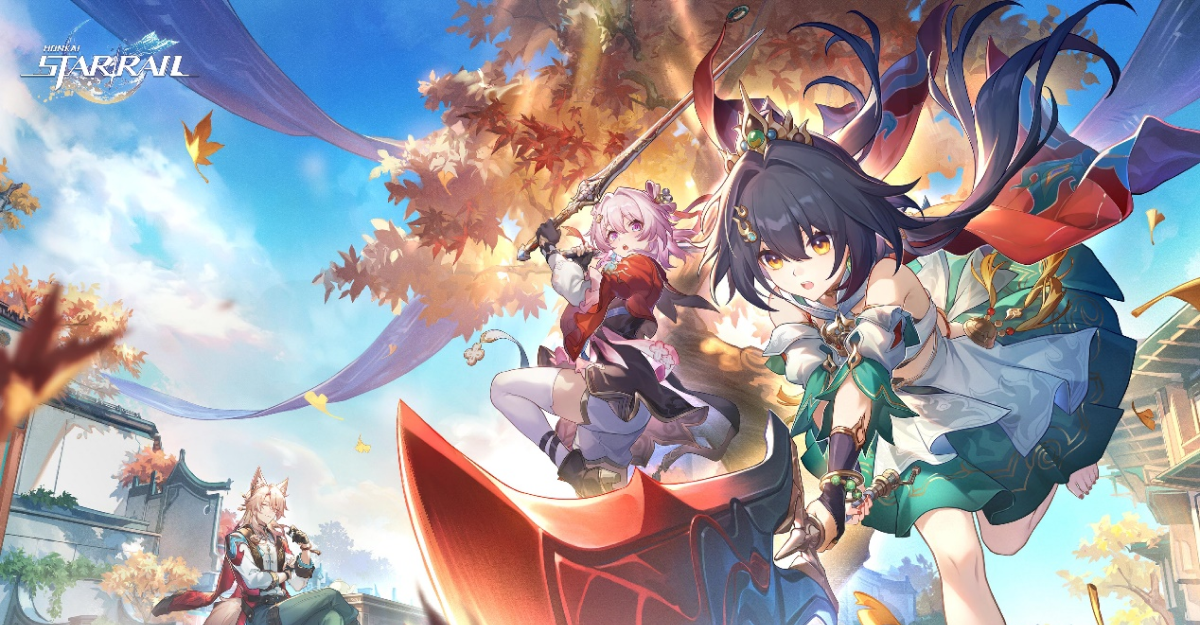
If you are planning to launch a new game, then the Honkai Star Rail success story offers several valuable insights-
Leverage Existing IP and Fanbase
- Honkai Star Rail is part of the Honkai franchise, which already had a dedicated player base from Honkai Impact 3rd.
- If you have access to an established intellectual property (IP), use it to your advantage. For instance, if you’re developing a game set in a popular universe (like a comic book or film franchise), highlight familiar characters and settings in your marketing materials to attract existing fans.
Innovative Pre-Registration Campaigns
- HSR’s pre-registration campaign featured milestone rewards that unlocked as more players signed up. They set goals like 5 million registrations, offering exclusive in-game items as rewards.
- Implement a similar milestone-based pre-registration campaign. For example, if your game is about fantasy heroes, offer exclusive skins or characters that can only be obtained through pre-registration. Use social media to encourage players to share the registration link to unlock rewards collectively.
Engage Influencers Early
- Honkai engaged influencers like Tectone and GamerGirl well before launch, allowing them to create content based on early access to the game.
- Identify key influencers in your genre and provide them with early access to your game. For instance, if you’re launching a mobile RPG, reach out to YouTube channels that focus on RPG gameplay and offer them exclusive previews or beta access.
Omni-Channel Marketing Approach
- Honkai: Star Rail utilized marketing platforms like Twitter, YouTube, TikTok, and Discord to ensure they reached diverse audiences.
- Develop a multi-platform marketing strategy. Create short gameplay clips for TikTok, detailed gameplay breakdowns for YouTube, and regular updates for Twitter. For example, if you’re launching a puzzle game, share tips and tricks on Instagram Stories while also posting engaging puzzles on Twitter.
Community Engagement and Feedback
- HSR built a community on Discord where players could discuss the game and provide feedback during beta testing.
- Create a dedicated Discord server for your game where players can interact with each other and the development team. Use this platform to gather feedback on gameplay mechanics or features. For example, run polls asking players which character designs they prefer or what features they would like to see in future updates.
High-Quality Content Creation
- It released visually stunning trailers that showcased its graphics and gameplay mechanics effectively.
- Invest in high-quality promotional content that highlights your game’s unique features. For instance, if your game has beautiful artwork or innovative mechanics, create a cinematic trailer that emphasizes these aspects. Use platforms like Fiverr or Upwork to hire professional video editors if needed.
Continuous Content Updates Post-Launch
- After launch, it committed to regular updates with new characters and events, keeping players engaged over time.
- Plan a roadmap for post-launch content before your game is released. For example, schedule monthly updates that introduce new levels or characters based on player feedback and trends in the gaming community.
Localized Marketing Efforts
- Honkai Star Rail tailored its marketing campaigns for different regions by creating localized social media accounts and translating content into multiple languages.
- If you plan to target international markets, invest in localization services to translate your game and marketing materials accurately. For instance, create separate social media accounts for different regions (e.g., one for North America and another for Southeast Asia) with culturally relevant content.
Monitor user Feedback and Adapt
- It utilized analytics tools to monitor player behavior and sentiment after launch, allowing them to make timely adjustments based on user feedback.
- Implement analytics tools like Google Analytics or Mixpanel in your game to track player engagement metrics. Regularly review this data to understand player preferences and make necessary adjustments to improve user experience.
Final Words
The Honkai Star Rail Success Story is a masterclass in game development and marketing. From a stellar launch to consistent updates and community engagement, it’s a shining example of how to build and sustain a blockbuster title. If you’re a gamer—or even just someone curious about the industry—this story proves that with the right mix of strategy, creativity, and execution, the stars really can align.
