

Being a digital maven, if you’ve ever wondered which giant truly rules the cloud computing industry—AWS vs Azure—you’re not alone. Whether you’re a tech enthusiast, a business owner, or just cloud-curious, this battle between AWS (Amazon Web Services) and Microsoft Azure shapes the future of cloud computing.

As you go through this write-up on AWS vs Azure 2026, you’ll see how both platforms have transformed businesses, powered AI, and driven the global digital revolution. But the big question remains: AWS or Azure—which is better for you? Let’s break it down clearly, simply, and with real facts.
Quick Glance
When comparing AWS vs Azure, it helps to know where they came from and what drives their success. Both are global leaders in the cloud computing platforms comparison, yet their roots, leadership, and growth stories differ.
You’ll see below how AWS started earlier, giving it a head start in innovation and adoption. On the other hand, Azure leveraged Microsoft’s enterprise dominance to catch up quickly and secure a strong position among Fortune 500 companies.
| Particulars | AWS (Amazon Web Services) | Azure (Microsoft Azure) |
| Company Type | Subsidiary of Amazon.com, Inc. | Product/service line of Microsoft Corporation |
| Operating Industry | Cloud computing, IT infrastructure, and web services | Cloud computing and enterprise software integration |
| Founded | 2006 | 2010 (initially as Windows Azure) |
| Founders | Created within Amazon by internal engineering and executive teams, including Andy Jassy (CEO at founding) | Developed by Microsoft under the leadership of Ray Ozzie (then Chief Software Architect) |
| Headquarters | Seattle, Washington, United States | Redmond, Washington, United States |
| Number of Users | Over 1 million active users globally across enterprises, governments, and startups | Over 700,000 active customers and used by 95% of Fortune 500 companies |
| Key People | Adam Selipsky (CEO of AWS); Andy Jassy (President and CEO, Amazon) | Satya Nadella (Chairman & CEO, Microsoft); Scott Guthrie (EVP, Cloud + AI Group) |
| Products or Subsidiaries | EC2, S3, Lambda, RDS, CloudFront, SageMaker, EKS, Route 53, AWS IoT | Azure App Service, Virtual Machines, Azure AI, Synapse Analytics, Azure DevOps, Microsoft Entra ID |
| Owner | Amazon.com, Inc. | Microsoft Corporation |
As you can see, AWS continues to dominate in terms of sheer global user numbers, but Azure’s tight integration with Microsoft tools like Windows Server, Office 365, and Dynamics gives it a massive edge in enterprise environments. When it comes to the AWS vs Azure customer base, AWS is favored by startups and developers, while Azure’s hybrid model attracts large corporations seeking seamless on-premises integration.
Features Comparison of AWS vs Azure
When you compare AWS vs Azure features, both platforms shine in their own ways. AWS focuses on depth and flexibility, while Azure bets on breadth and integration. You’ll find differences across AI capabilities, serverless computing, storage solutions, and security features—each shaping how businesses choose their cloud partner.
Here’s a detailed AWS vs Azure comparison of features across crucial service areas—from compute and storage to AI and DevOps tools. Whether you’re exploring Azure hybrid cloud vs AWS or AWS vs Azure security features, this table covers all major differences you should know in 2026.
| Feature Aspect | AWS (Amazon Web Services) | Azure (Microsoft Azure) | Winner |
| Service Catalog Size | Offers 200+ cloud services with deep configurations, focusing on fine-grained control over infrastructure. | Offers 600+ services across compute, storage, databases, AI, and networking, emphasizing breadth and integration. | Azure wins in breadth, AWS in depth. |
| Hybrid Cloud & On-Prem | AWS Outposts, Local Zones, Wavelength for hybrid and edge computing support with AWS ecosystem integration. | Azure Arc, Azure Stack HCI, Azure Stack Edge offer seamless hybrid management and strong on-prem integration. | Azure preferred for hybrid cloud. |
| Operating System Support | Primarily known for Linux and Windows hosting, with extensive AWS Linux-based AMIs. | Superior support for Windows Server environments and SQL Server licenses, with Azure Hybrid Benefit discounts. | Azure better for Windows-centric users. |
| AI and Machine Learning | SageMaker, Rekognition, and dedicated chips (Graviton, Trainium) optimize ML workloads with fine-tuning. | Azure Machine Learning, Cognitive Services; integrates OpenAI and strong enterprise AI solutions. | Slight edge to AWS for custom ML chips. |
| Pricing Flexibility | Flexible per-second billing, Reserved Instances (up to 72% savings), Spot Instances (up to 90% savings). | Per-second billing with Azure Hybrid Benefit for license reuse, cost-effective for Microsoft workloads. | AWS more flexible overall, Azure for MS workloads. |
| DevOps Tools | AWS CodePipeline, CodeBuild provide CI/CD pipelines with strong integration in AWS ecosystem. | Azure DevOps offers comprehensive suite tightly integrated with Microsoft tooling like Visual Studio. | Azure excels in Microsoft DevOps synergy. |
| Global Data Centers | Largest global cloud infrastructure with more regions and availability zones than any provider. | Expanding global reach, strong presence especially in government and compliance heavy regions. | AWS leads in global reach. |
| Security & Compliance | Extensive certifications, embedded security tools, focus on fine-tuned permissions and encryption. | Over 100 certifications including GDPR, HIPAA, FedRAMP; leading compliance especially for enterprises. | Azure for compliance-centric sectors. |
| Container Orchestration | ECS, EKS with deep integration of Kubernetes and customized container tools. | AKS (Azure Kubernetes Service) provides simple seamless Kubernetes integration with hybrid cloud support. | Both strong; AKS easier for Kubernetes. |
| Serverless Functions | AWS Lambda supports granular memory settings, efficient ARM-based serverless. | Azure Functions offer hybrid deployment & faster cold start (Premium Plan). | AWS wins on flexibility, Azure on hybrid support. |
| Storage and Databases | S3, Glacier (archive), DynamoDB (NoSQL), RDS/Aurora (relational), finely tuned for performance. | Blob Storage, Archive Storage, Cosmos DB (multi-model NoSQL), Azure SQL Database, strong multiservice integration. | Feature parity; preference depends on use case. |
Looking closely, you’ll notice Azure excels in hybrid cloud and Windows-based workloads, while AWS wins with customization, global reach, and flexible pricing. If your business depends heavily on Microsoft products, Azure cloud will feel more natural. However, if you need more control, scalability, and mature infrastructure, AWS cloud takes the lead.
In terms of AI integration in cloud services, Azure has been moving fast, especially with OpenAI and enterprise-grade cognitive services. Meanwhile, AWS doubles down on custom ML chips like Trainium, making it ideal for data-intensive AI workloads.
When it comes to serverless architecture comparison, AWS Lambda remains the gold standard for flexibility, while Azure Functions leads in hybrid deployment. Both platforms ensure world-class cloud security, offering encryption, compliance, and access controls that meet industry standards.
Business Comparison on AWS vs Azure: Who is winning the market?
The AWS vs Azure business comparison reveals fascinating insights into how both companies shape the cloud market. Beyond features, it’s about market value, profitability, and long-term growth potential.
Here’s a breakdown of the financial and strategic landscape of AWS vs Azure. From market share and revenue to AI growth and enterprise adoption, these figures highlight where each cloud provider currently stands.
| Business/Financial Aspect | AWS (Amazon Web Services) | Azure (Microsoft Azure) | Takeaway (Winner) |
| Market Valuation | Part of Amazon (NASDAQ: AMZN) with market cap approx. $2.37 trillion as of Oct 2025 | Part of Microsoft (NASDAQ: MSFT) with market cap approx. $3.85 trillion as of Oct 2025 | Microsoft wins on overall market cap |
| Market Share | Leading with ~29-30% global cloud infrastructure market share Q1-Q2 2025 | Strong #2 with ~22-25% market share, rapidly growing with 33% revenue growth in Q1 2025 | AWS leads in market share, Azure fast growing |
| Revenue Earned (Cloud) | $80+ billion revenue for AWS estimated 2025, Q1 2025 revenue $29.3 billion (+17% YoY) | Microsoft does not break out Azure profit; Azure is part of Intelligent Cloud segment which is highly profitable | AWS revenue nearly twice Azure’s, but Azure growing faster |
| Expense & Profit | AWS profitability contributes substantially to Amazon’s operating income; sustained robust margins | Microsoft does not break out Azure profit; Azure part of Intelligent Cloud segment which is highly profitable | AWS likely has higher standalone cloud profit margin |
| Subscription/ Pricing | Complex pricing with pay-as-you-go, reserved, spot; volume discounts for large users | Similar pay-as-you-go, reserved instance, hybrid benefit discounts for Microsoft license holders | Pricing competitive; Azure better for MS-centric enterprises |
| Competitors | Strong competition from Microsoft Azure, Google Cloud Platform, Alibaba Cloud | Competes with AWS, Google Cloud, and Alibaba Cloud as well | Both face stiff competition; AWS leads overall |
| Customer Base & Adoption | Millions of active customers globally, top choice for startups and enterprises | 350,000+ businesses, 85% of Fortune 500 companies using Azure, strong in hybrid and enterprise sectors | Azure dominates enterprise adoption; AWS is broader |
| Strategic Growth Areas | Focus on AI infrastructure, large enterprise, AWS Outposts (hybrid), and GovCloud | Emphasis on hybrid cloud, AI integration, development tools, and SaaS/enterprise packages | Azure stronger on hybrid and enterprise SaaS |
| AI Business | Significant investments in AI-specific hardware and services like SageMaker, DevOps | AI revenue $13 billion annual run rate, integrated OpenAI solutions and cognitive services | Close competition; Azure strong AI growth curve |
When analyzing the AWS vs Azure market share, AWS still leads globally with nearly 30%, but Azure is closing in fast thanks to its strong enterprise base and 21% annual growth. While AWS earned over $80 billion in 2025, Azure’s AI-driven revenue boost shows it’s evolving rapidly.
In the AWS vs Azure cost comparison, both platforms offer flexible pricing, but Azure gives an edge to existing Microsoft users with hybrid benefits and license reuse discounts. Meanwhile, AWS pricing favors users who value pay-as-you-go flexibility and massive scalability options.
From a cloud infrastructure market analysis perspective, AWS remains the benchmark for performance and reliability, while Azure has become the go-to solution for hybrid and enterprise environments. This makes Azure the stronger option for large-scale corporate setups, while AWS appeals to diverse use cases—from startups to governments.
Verdict: Who is the Winner?
So, who wins in the AWS vs Azure battle? The honest answer—it depends on you.
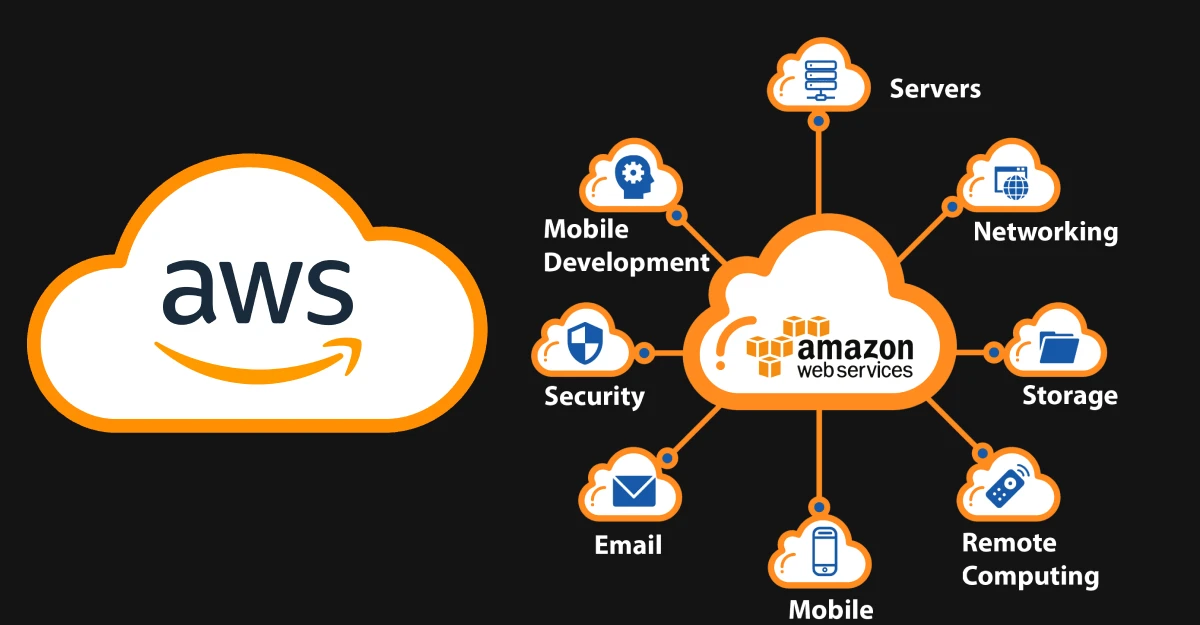
If you’re looking for global coverage, scalability, and unmatched infrastructure maturity, AWS is still the reigning champion. It’s particularly powerful for developers, startups, and tech-driven enterprises that need fine control and customization.
But if your focus is enterprise integration, hybrid cloud solutions, and leveraging Microsoft tools, Azure might be your best ally. It’s expanding faster, deeply integrated with AI innovations, and already powering most Fortune 500 companies.

In terms of AWS vs Azure performance, AWS wins with raw scale, while Azure delivers smoother experiences for hybrid and enterprise users. The competition remains tight, and in 2026, it’s less about one beating the other and more about how both push cloud computing to new heights.
Note: We have also covered the following hot topics-
Wrap-Up
After looking at every aspect of AWS vs Azure, from features to business models, one thing is clear—you can’t go wrong with either. Both platforms are industry leaders offering powerful cloud computing platforms that transform how you store data, deploy apps, and build AI-driven solutions.
If your business thrives on open-source flexibility and global expansion, AWS should be your pick. But if your operations are tightly linked to Microsoft software or you need strong hybrid cloud integration, Azure is the smarter choice.
Ultimately, the AWS vs Azure comparison isn’t just about which is better—it’s about which suits you better!
