
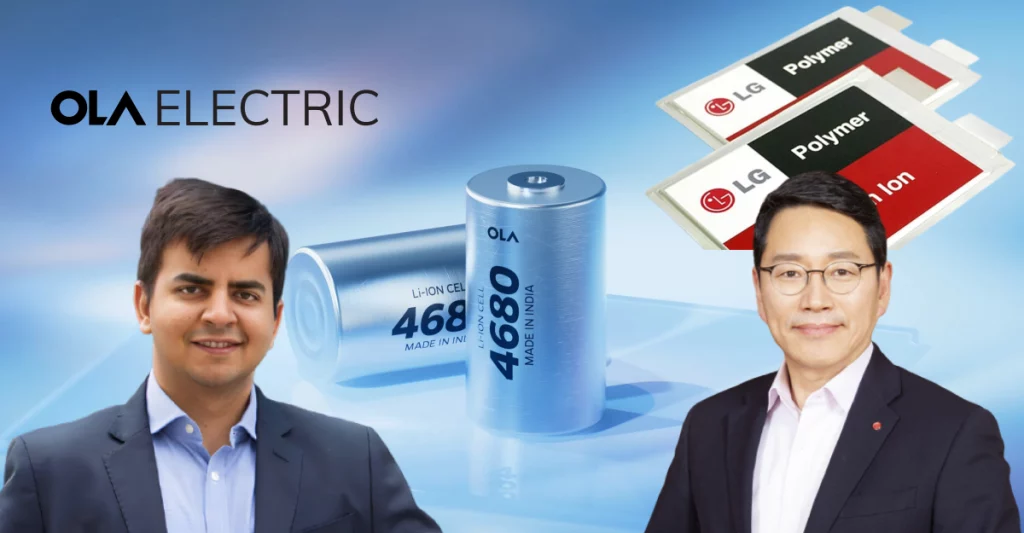
When you think of electric scooters and the revolution of EVs in India, Ola Electric is probably the first name that comes to mind. But recently, the company found itself caught in a global storm.
The buzz?
The ongoing controversy between Ola Electric vs LG. Allegations of battery technology theft have turned into a high-profile clash between India’s leading EV maker and South Korea’s energy giant, LG Energy Solution.
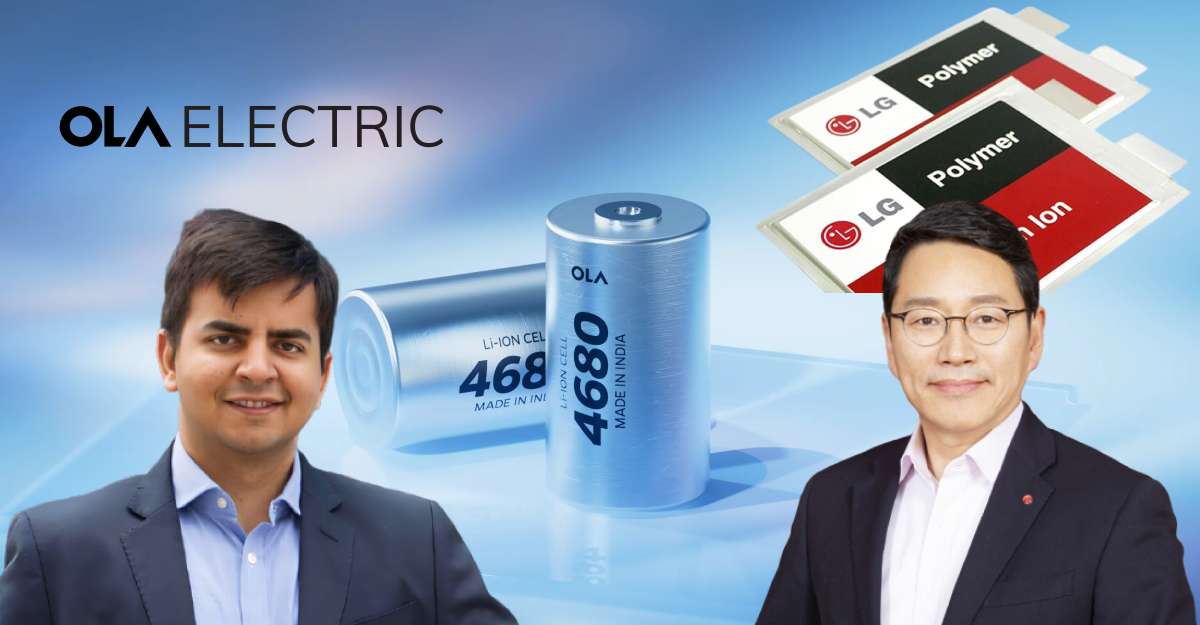
What’s true, what’s not, and what does it all mean for you? Let’s break it down together in this write-up.
Stay tuned!
The Spark Behind the Storm
The Ola Electric vs LG dispute began when South Korean media claimed that a former LG Energy Solution researcher leaked confidential pouch-type lithium-ion battery technology to Ola Electric. This person reportedly joined Ola in late 2023 and shared crucial details about LG’s manufacturing process. South Korean authorities got involved, and LG labeled this as a national security concern.
Ola Electric, however, dismissed all the claims. The company called the accusations “false and fear-driven,” suggesting that LG was simply reacting to the rise of a new and strong Indian competitor in the EV battery market.
What LG Energy Solution Claims?
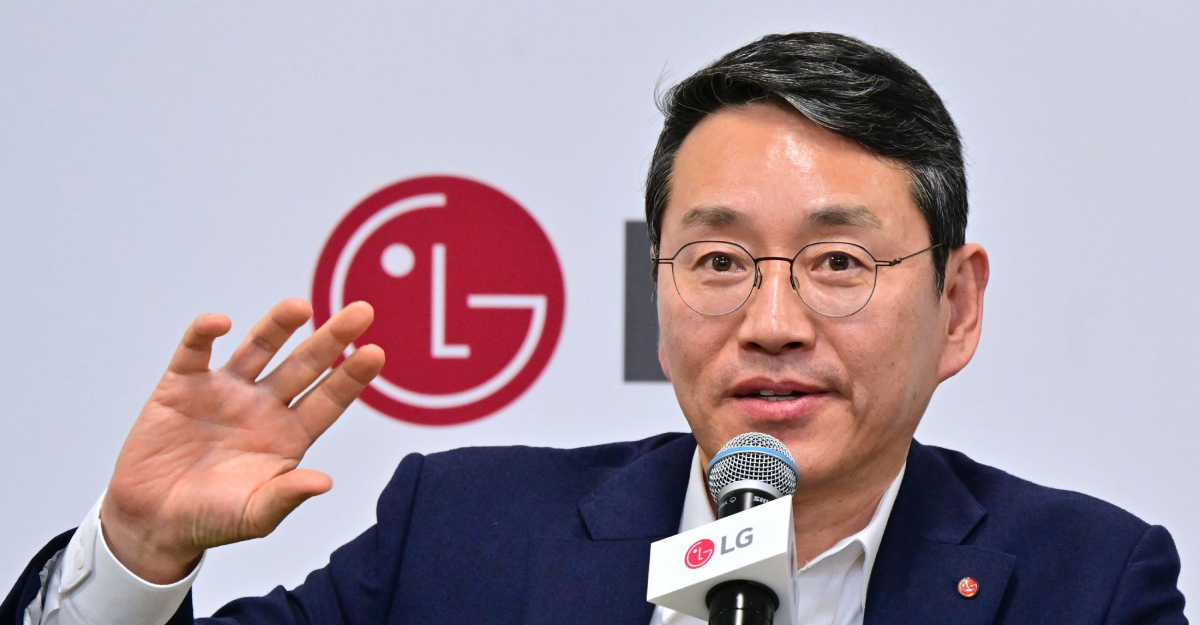
According to LG, Ola Electric’s success might have come with the help of stolen technology. LG insists that its former employee transferred key details about its pouch-type battery cells, a design central to its global battery business. LG has even involved its National Intelligence Service and the Seoul Metropolitan Police in the matter, emphasizing that this is more than a corporate issue—it’s a national one. They see this leak as a threat to South Korea’s leadership in advanced battery technology.
Ola Electric’s Response: A Bold Denial
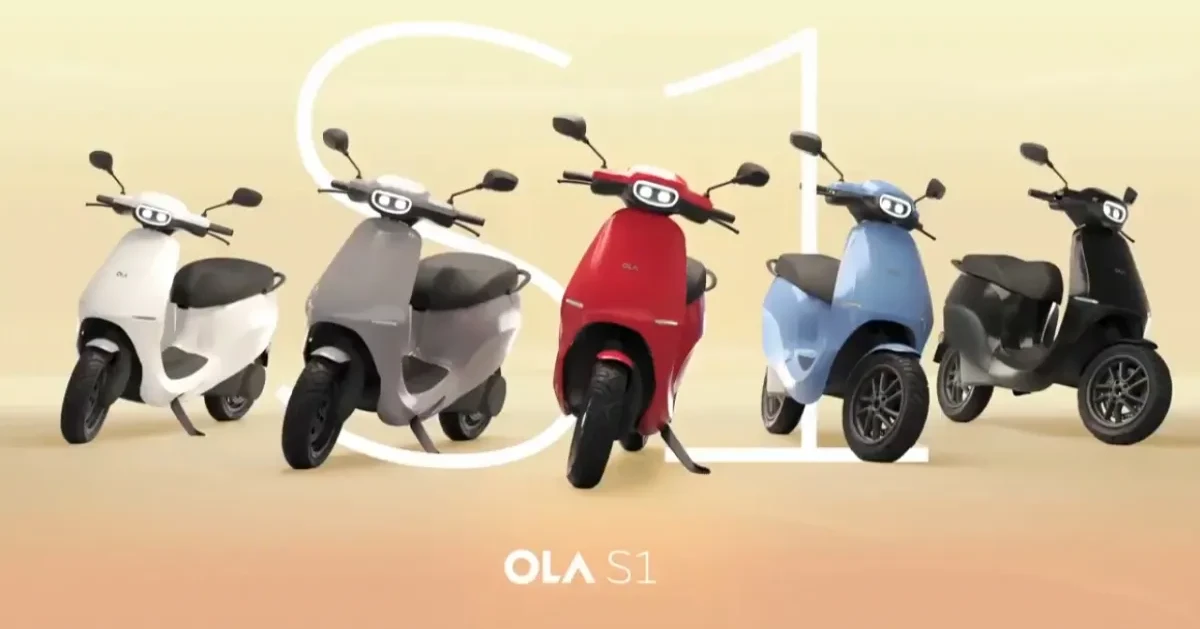
Ola Electric didn’t hold back. The company says it has developed its own 4680 Bharat Cell, a completely different kind of battery using advanced dry electrode cylindrical technology, not the old pouch cell design. Ola insists it never needed LG’s technology in the first place. In fact, Ola’s version is said to be more efficient and innovative.
The timing of LG’s allegations raised suspicion, as they surfaced just when Ola began mass production of its first indigenous battery cells. Ola called this a clear attempt to distract attention and damage its reputation. According to the company, pouch cells are outdated, and its focus is on next-generation designs that power the future of EVs.
The 4680 Bharat Cell: The Technology in Question
| Feature | Data/Facts |
| Type | Large-format cylindrical lithium-ion cell |
| Form Factor | 46 mm diameter × 80 mm height |
| Technology | Dry electrode cylindrical, not pouch cell |
| Manufacturing Site | Ola Gigafactory, Tamil Nadu, India |
| R&D Facility | Battery Innovation Centre (BIC), Bengaluru |
| Investment | ₹2,500 crore in gigafactory + $500 million in Bangalore BIC |
| Patents Filed | 720 (124 granted) |
| Claimed Performance | 20%+ higher energy density than mainstream 2170 cells; improved range & efficiency |
| Certification | Automotive Research Association of India (ARAI) certification for 5.2 kWh variant |
| First Integrated Product | S1 Pro+ electric scooter (5.2kWh) |
| Future Plans | Transition all EV models to use 4680 cells in 6–9 months; expand BESS and commercial energy storage |
Ola claims this battery is entirely developed in India and gives its electric scooters a major performance boost. The company is betting big on this cell as the core of India’s battery independence journey.
How It All Unfolded? A Timeline of Major Events
| Date | Event |
| Late 2023 | Ex-LG researcher joins Ola Electric |
| Early 2024 | LG discovers alleged breach, reports to Korean authorities |
| Mid-2024 | Ola begins mass production of 4680 Bharat Cell in Tamil Nadu |
| Q2 FY26 | Ola integrates 4680 Bharat Cell into EVs; commercial production starts |
| October–November 2025 | Ola Electric’s public response and denial, allegations make headlines |
From the outside, this timeline shows how fast things escalated from a hiring decision to a full-blown international dispute.
Financial Data & Expansion of Ola Electric
| Metric | Value/Details |
| Ola Electric Q2 FY26 Net Loss | ₹418 Crore (trimmed by 15% YoY) |
| Revenue Q2 FY26 | ₹690 Crore (down 43% YoY from ₹1,214 Crore) |
| Cell Manufacturing Capacity | 2.5 GWh (Q2 FY26), targeting 5.9 GWh by March 2026, 20 GWh by FY27 |
| PLI Incentive Claim | ₹400 Crore (13–14%) |
Despite the controversy, Ola Electric continues expanding. Its gigafactory in Tamil Nadu aims to become one of the biggest in India. However, revenue dips show that the company is still navigating challenges while trying to dominate the EV market.
Legal and Regulatory Challenges
The Ola Electric vs LG battle isn’t just about business. LG’s complaint is being treated as a national security issue in South Korea. Ola has firmly denied any wrongdoing and vowed to defend its intellectual property. Meanwhile, in India, Ola has faced other legal issues linked to employee matters and customer complaints. All this puts the company under heavy public scrutiny.
India’s Big Picture: Make in India and Self-Reliance
This clash comes at a crucial time. India is aggressively pushing its Make in India initiative, encouraging local battery production to reduce dependence on imports. Ola’s move to develop the 4680 Bharat Cell fits perfectly into this mission. But global companies like LG see this as direct competition. As a result, the Ola Electric vs LG issue has become symbolic of India’s growing confidence in homegrown innovation.
Experts say that hiring talent from international firms is common practice, but the thin line between talent mobility and IP theft often leads to disputes like this. It raises questions about how far companies can go to secure intellectual property while allowing fair competition.
Media and Public Buzz
The story has made waves both in India and abroad. Ola Electric says some of the reporting has been “biased and misleading,” claiming that rivals are trying to shake public trust. Meanwhile, many Indians view Ola’s defense as a moment of pride, symbolizing a local brand standing tall against a global giant. Government support under PLI (Production Linked Incentive) schemes also adds weight to Ola’s stand.
Summary Of The Face-Off Between Ola Electric & LG
| Aspect | Ola Electric Position | LG Energy Solution Position |
| Technology Used | Indigenous 4680 Bharat Cell (Cylindrical) | Proprietary pouch cell (alleged stolen) |
| IP Leak Allegation | Denied (claims outdated tech not used) | Claims ex-employee leaked core tech |
| Manufacturing Facility | India-based Gigafactory | South Korea, global operations |
| R&D Investment | ₹2,500 crore + $500m in BIC | Decades of R&D and global patents |
| Market Impact Claim | Fear of competition cited by Ola | Loss of market share in India cited by LG |
| Legal Action | Dismissed, defense of indigenous tech | Ongoing police & intelligence probe |
| Cell Certification | ARAI certified for EVs | Undisclosed |
| Govt Incentives | Claimed under PLI scheme | Undisclosed |
| Product Deployment | 4680 cell in new EVs, motorcycles, energy storage | Undisclosed |
Note: If you’re interested in knowing more about Ola Electric and its rivals, then go through the comparison analysis on “Ola Electric vs Ather: Which company is leading the EV race?”
Ola Electric vs LG: What It Means for You? Should You Worry About It?
If you are following the EV trend in India, the Ola Electric vs LG story is more than just corporate drama. It’s about India proving its potential in clean energy innovation. The outcome of this battle could influence how foreign firms engage with Indian manufacturers in the future.
For now, Ola Electric continues pushing forward with its mission to make India a global hub for EV battery manufacturing. LG, on the other hand, remains cautious about protecting its intellectual property. The coming months will reveal whether this controversy cools down or explodes further.
Final Thoughts on the Tech Theft Allegations of Ola Electric vs LG
The Ola Electric vs LG controversy shines a light on the challenges of building technology independence while balancing global cooperation. Ola’s defense reflects a new phase of confidence for Indian innovators, while LG’s caution underscores the fierce race for leadership in battery tech. Whatever the final verdict, one thing is clear—this isn’t just a legal fight. It’s a battle for dominance in the future of electric mobility.
In the end, whether you ride an electric scooter or just love a good story about innovation and rivalry, this face-off shows how the race for cleaner, smarter energy is only getting started. And how technology and innovation hold immense power for maintaining a company’s reputation.
