
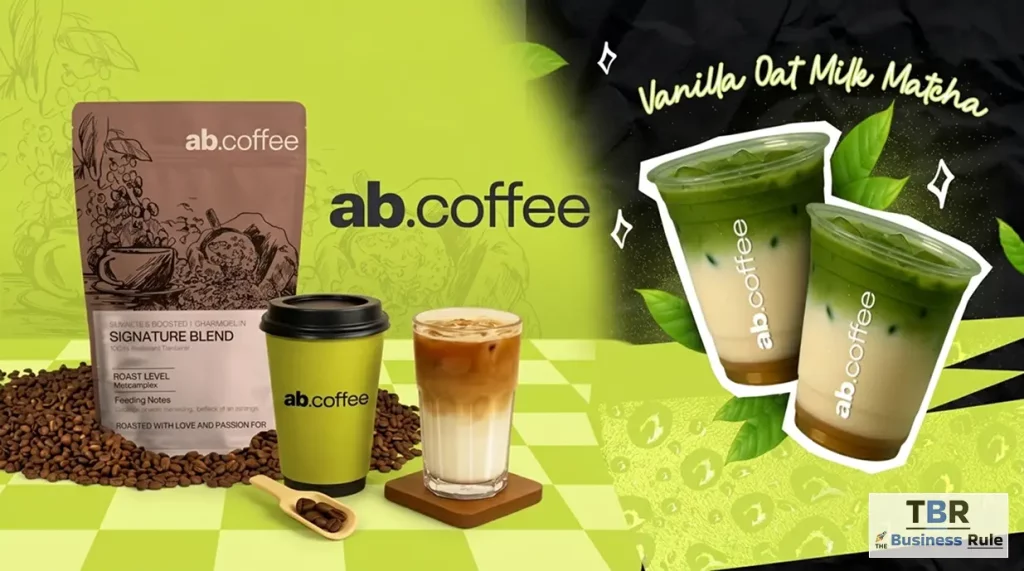
A cappuccino made from 85/100 specialty-grade beans sourced from Karnataka farms costs just ₹97 at abCoffee. And you don’t even have to stand in a long café line.
That’s the idea behind abCoffee, a tech-enabled quick-service coffee chain founded in 2022. In just four years, the company has expanded to 165+ outlets using a lean takeaway model. Unlike traditional coffee chains such as Starbucks, Café Coffee Day (CCD), or Costa, abCoffee focuses on speed, affordability, and Indian sourcing rather than large sit-down cafés.
The brand was founded by Abhijeet Anand, an IIT Dhanbad alumnus who previously spent nine years working in the oil and gas sector at Schlumberger. Instead of following the traditional café franchise route, he built abCoffee as a no-franchise operation.
So who owns abCoffee today?
Well, the company is run by Abhijeet Anand, CEO of Brewbay Innovations Pvt Ltd.
The startup has already raised more than $5.7 million in funding, including $3.4 million in Series A funding from Nexus Ventures in 2025. This pushed its valuation to $15 million (around ₹124 crore). At the same time, the company’s financial trajectory is tracking ₹50 crore+ revenue goals for FY25.
From one kiosk to over 165 outlets in just four years, abCoffee’s growth is attracting attention across India’s coffee industry.
Let’s understand how the brand scaled so quickly!
abCoffee Business Model
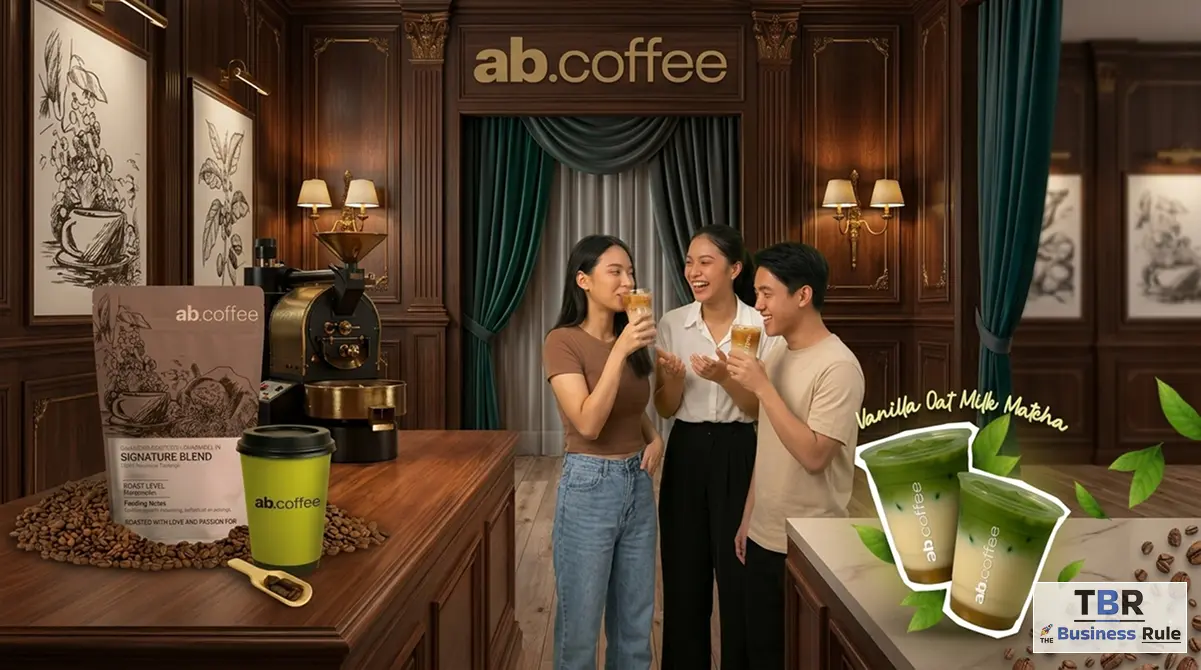
abCoffee runs on a compact QSR (Quick Service Restaurant) model designed for quick takeaway orders.
Instead of large cafés, most outlets are only 120 to 250 square feet in size. The company also follows a COCO model (company-owned and company-operated), meaning there are no franchises.
The menu is surprisingly wide for such small stores. It includes 125+ beverage SKUs and 27 food items, with food contributing about 15 percent of revenue.
Another key factor is efficiency. abCoffee keeps wastage below 1 percent by using shared ingredients across the menu.
Technology is deeply integrated into the system. Customers can order using NFC or QR codes, while automated frothing machines help deliver coffee in about 1.5 minutes turnaround time (TAT). The company also operates a full-stack mobile app with self-delivery capabilities.
For sourcing, abCoffee uses 100 percent Indian coffee beans from Chikkamagaluru, graded 85 to 100 on the Q-score under Specialty Coffee Association standards. These beans are roasted specifically for Indian taste preferences, with drinks like Sea Salt Mocha on the menu.
Revenue comes from both online and offline channels. Around 61 percent of revenue is generated offline, while 39 percent comes from platforms such as Swiggy and Zomato. The brand also reports a 64 percent repeat customer rate, which is roughly double the industry average.
Expansion has been rapid. As of March 2026, abCoffee operates more than 165 outlets across 12 cities, including Mumbai, Delhi-NCR, Bengaluru, Hyderabad, Gurugram, and Noida. The company started with one outlet in 2022, grew to 50 outlets by 2024, and crossed 150+ stores by the end of FY25.
This asset-light approach also allows fast rollouts. In one instance, the company opened seven outlets within 24 hours in Bengaluru.
Model Structure: How abCoffee works?
| Model Pillar | Key Features | Impact |
| Size & Ops | 120-250 sq ft, COCO | Low capex, fast rollout |
| Tech Stack | NFC/QR, auto-frothing, app | 1.5-min TAT, consistency |
| Sourcing | 100% Indian beans (85/100 score) | Cost 1/3rd imports, authentic |
| Revenue Mix | 61% offline, 39% online | 64% repeats, ₹5.5 Cr FY24 |
The core idea is simple. Keep the stores small, automate operations, and focus on takeaway coffee.
This reduces costs and allows abCoffee to expand faster than traditional cafés.
Coffee Competition: abCoffee vs Starbucks vs CCD vs Costa
Most traditional coffee chains rely on large stores, seating space, and long customer visits. abCoffee targets a different audience. It focuses on busy urban consumers who want quick coffee without spending too much time or money.
abCoffee vs Starbucks
Starbucks stores usually span 2,000+ square feet and function as café lounges with WiFi, seating, and global Arabica blends. A cappuccino often costs ₹250 or more.
abCoffee removes seating entirely and focuses on quick takeaway orders. Its cappuccino costs ₹97, almost one-third of Starbucks’ price.
The company also uses local Robusta-Arabica blends tailored for Indian consumers, which often deliver stronger caffeine and bolder flavors.
Instead of loyalty programs and lounge experiences, abCoffee focuses on technology and efficiency. As a result, its Net Promoter Score (NPS) leads the industry.
abCoffee vs Café Coffee Day
Café Coffee Day built its brand around casual hangout cafés with snacks and beverages typically priced ₹150 or more. The chain also expanded heavily through franchises and Tier-2 or Tier-3 markets.
abCoffee takes a different route. It keeps all outlets company-owned, avoids instant coffee products, and focuses on specialty coffee in a QSR format.
Its 165 urban outlets also highlight how quickly it has expanded compared to slower café growth models.
abCoffee vs Costa and Blue Tokai
Costa Coffee sells Arabica-Robusta blends priced around ₹180 or more, while Blue Tokai focuses on farm-to-cup specialty coffee served in sit-down cafés.
abCoffee combines specialty coffee grading (SCA score above 80) with QSR speed and pricing. It also experiments with new products like Procaff functional beverages that combine protein and caffeine, along with self-delivery systems.
Market Comparison
| Feature | abCoffee | Starbucks | CCD | Costa/Blue Tokai |
| Model | QSR Takeaway | Café Lounge | Casual Dine-in | Café Blend |
| Outlet Size | 120-250 sq ft | 2000+ sq ft | 1000+ sq ft | 1500+ sq ft |
| Cappuccino Price | ₹97 | ₹250+ | ₹150+ | ₹180+ |
| Beans | 100% Indian 85/100 | Global Arabica | Mix/Instant | Arabica-Robusta |
| Revenue Online % | 39% | 15-20% | 20% | 25% |
| Expansion | 165 outlets (COCO) | Franchise-heavy | Franchise | Franchise |
The difference lies in the business philosophy. While most chains focus on ambience and seating, abCoffee focuses on speed, pricing, and takeaway convenience.
Note: Let’s take a little break from coffee and go to chai (tea). Do you know Which Chai Startup Is Leading The Race Among Chai Lovers? Go through the article, and you’ll find out!
Financial Engine and Profitability of abCoffee
Coming back to our discussion, it’s time to see what drives the financial engine of abCoffee. Well, that’s due to abCoffee’s business model. It is designed for operational efficiency. Really? Look at the data- In FY24, the company reported ₹5.5 crore revenue, generated from selling more than 500,000 cups of coffee.
For FY25, the company targeted ₹36 to ₹50 crore revenue, supported by growth in its app and self-delivery services.
The brand operates with double-digit EBITDA margins at the store level.
Funding has also supported its growth. The company has raised $5.7 million in total funding, which includes $300,000 from angel investors, $2 million in seed funding, and $3.4 million in Series A funding in 2025.
Following the Series A round, abCoffee’s valuation reached $15 million.
Back in 2023, the company had a run rate of about ₹1.8 crore, showing how quickly its financial scale has increased.
Financial Snapshot
| Financials | FY24 | FY25 Target | FY26 Outlook |
| Revenue | ₹5.5 Cr | ₹36-50 Cr | Profitable corporate |
| EBITDA | Double-digit/store | Scaling | Breakeven+ |
| Funding Total | $5.7M | – | Valuation $15M |
Individual outlets are already profitable. The company expects corporate-level breakeven by FY26, supported by expansion and higher revenue.
abCoffee Franchise Strategy

Unlike most coffee chains, abCoffee does not follow a traditional franchise model.
Founder Abhijeet Anand believes a fully company-owned model ensures better quality control, faster service, and consistent technology integration.
From one Mumbai store in 2022 to 165 outlets across 12 cities by March 2026, this COCO model has helped the brand expand rapidly.
Each outlet costs about ₹6 to ₹9 lakh to set up, mainly because stores are compact and do not require seating.
Comparison: abCoffee vs. Franchise-Heavy Rivals
| Aspect | abCoffee | CCD Franchise | Starbucks License | Slay Coffee Plans |
| Model | COCO + Partnerships | Full Franchise | Licensed Stores | Shifting to Franchise |
| Investment | Internal (₹6-9L/outlet) | ₹20-40L | ₹50L+ | South India Rollout |
| Control | 100% Brand | Operator-Led | Partner-Managed | Franchise Support |
| Scale Speed | 165 in 4 yrs | 1000+ but slower | Urban Focus | 64 → 400 by 2026 |
| Royalties | None | 5-8% Sales | Variable | Full Ops Aid |
Traditional coffee franchises often require ₹30 to ₹60 lakh investment with royalties of 5-10 percent of sales. abCoffee avoids this and keeps complete control over operations.
Final Words
abCoffee’s journey from a single Mumbai kiosk in 2022 to more than 165 outlets across 12 cities in just four years highlights how a focused QSR strategy can disrupt the traditional café industry.
Founder Abhijeet Anand built the brand around speed, technology, and Indian sourcing. Coffee made from 85/100 specialty beans priced at ₹97, combined with 90-second service and a tech-driven ordering system, has created strong customer loyalty.
With $5.7 million in funding, a $15 million valuation, and ₹50 crore+ FY25 revenue targets, the company is steadily building its presence.
Instead of franchising, abCoffee uses company-owned outlets and strategic partnerships in high-traffic areas like offices, hotels, and transit hubs!
With profitable stores and corporate breakeven expected by FY26, abCoffee is positioning itself as a new kind of coffee brand in India. One that focuses on speed, affordability, and scale rather than café seating.
And if its growth continues at this pace, the brand could soon become a pan-India coffee network with thousands of counters.
