
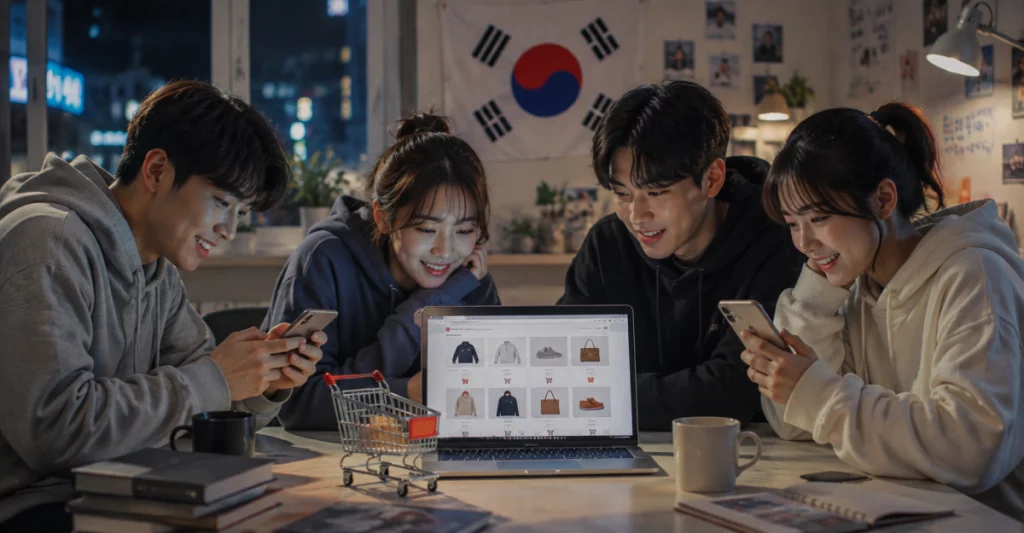
Have you ever spent 20 minutes filling an online shopping cart, imagined owning everything in it, and then quietly closed the tab without buying a single item? That feeling is more common than you might think.
Now imagine doing all of that on purpose. A new trend from South Korea is drawing people to fake shopping sites that give a dopamine hit without the bill, where you can browse products, customise purchases, build a virtual shopping cart, and even complete a fake checkout without spending a single rupee or dollar.
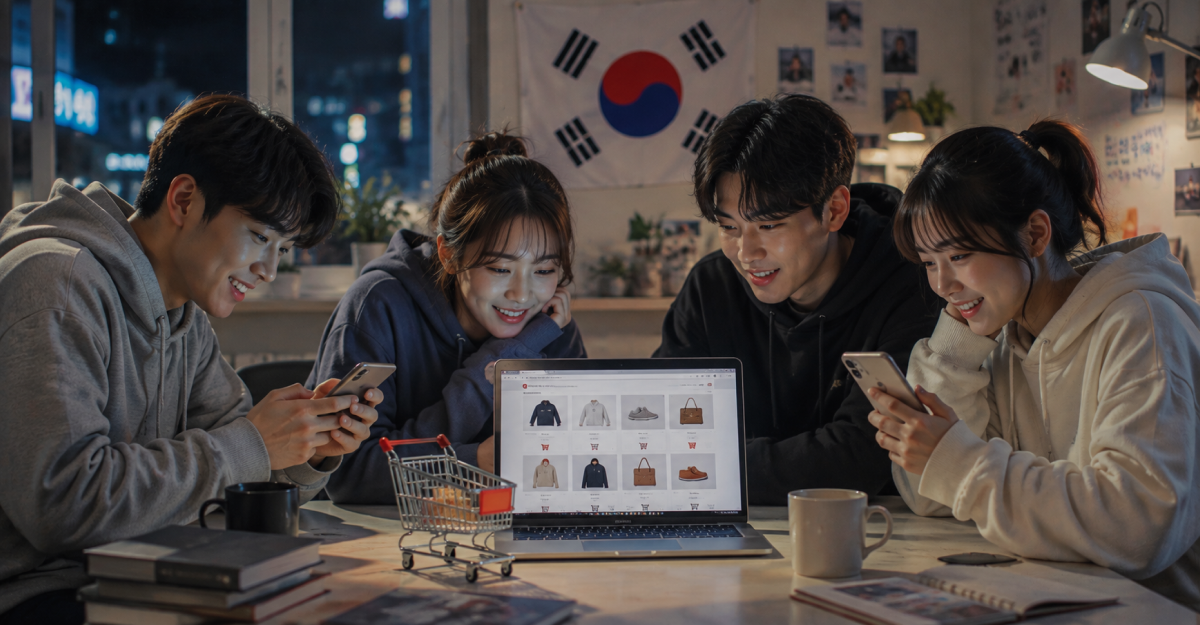
With high living costs, economic uncertainty, financial anxiety, and digital overload reshaping spending habits, many South Korean Gen Z consumers are finding comfort in shopping without buying. Instead of replacing online shopping, these digital experiences recreate the excitement of retail while avoiding the financial consequences.
But why does pretending to shop feel so satisfying, and could this unusual trend change the future of online retail? Let’s find out!
What Are Fake Shopping Sites?
Fake shopping sites are digital experiences that imitate real e-commerce platforms. Unlike scam websites, they are not designed to steal money or personal information. Instead, they recreate the experience of shopping without processing a real purchase.
Users can browse products, build wishlists, customise items, add them to a virtual shopping cart and move through a fake checkout. The journey ends before payment. Some platforms are standalone websites, while others are experimental apps.
Recent reporting has also highlighted similar concepts beyond shopping, including fake food ordering services such as FoodNeverArrives, where users complete an order but nothing is delivered.
Why South Korean Gen Z Started the Trend?
South Korea’s young consumers are navigating rising housing costs, inflation, uncertain job prospects and pressure to save. At the same time, social media constantly promotes new products and lifestyles. Fake online shopping offers a way to enjoy the excitement of browsing without adding to monthly expenses.
| Factor | How It Influences Behaviour |
| Inflation | Encourages careful spending and fewer impulse purchases |
| Housing costs | Leaves less disposable income for shopping |
| Youth employment uncertainty | Increases financial caution |
| Social media influence | Creates constant exposure to products and trends |
| Shopping addiction awareness | Encourages alternatives to unnecessary spending |
| Budget-conscious lifestyles | Makes shopping without buying more appealing |
Although South Korean Gen Z is closely linked with the trend, there is no verified evidence that it invented fake shopping websites. Current reporting instead suggests South Korea has become an important centre for the recent popularity of these “dopamine sites.”
The Psychology Behind the Dopamine Hit
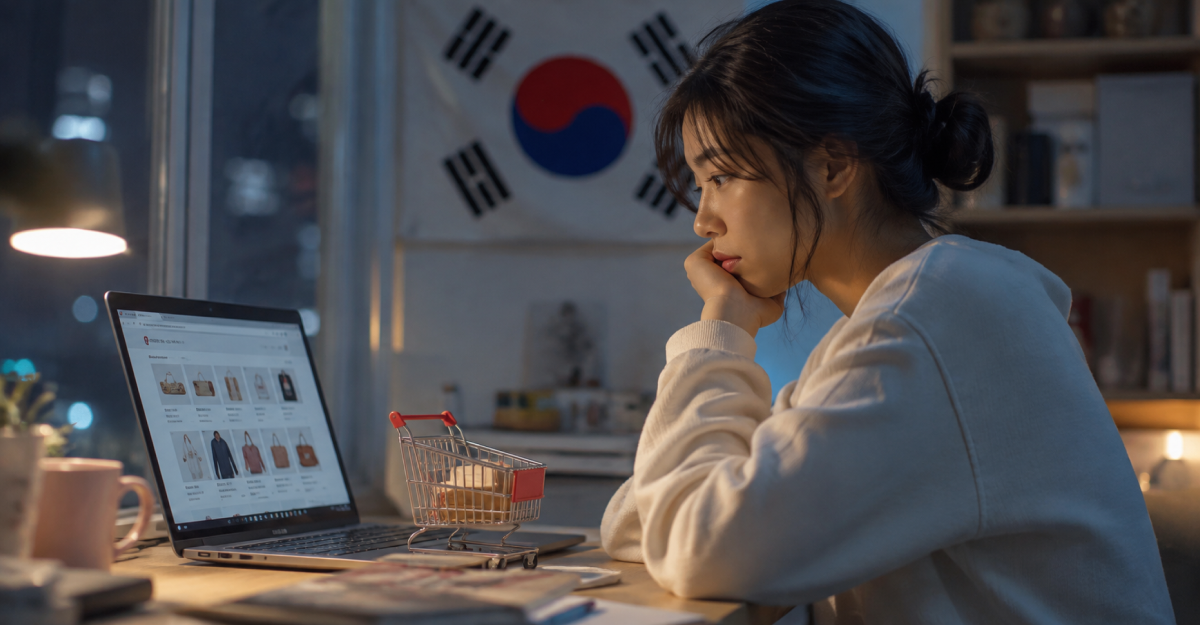
The popularity of fake shopping sites that give a dopamine hit without the bill reflects how people experience rewards. Neuroscience research shows dopamine is closely linked with anticipating rewards rather than simply receiving them.
Browsing products, comparing options, and filling a cart can create excitement because the brain enjoys imagining future rewards. Consumer psychology research has long shown that anticipation often shapes shopping behaviour.
However, researchers also caution against oversimplifying dopamine. There is currently no scientific evidence proving fake shopping produces the same brain response as making a real purchase.
Likewise, claims that fake shopping cures online shopping addiction remain unproven. Some users report spending less, while experts say more research is needed.
Fake Shopping vs Real Online Shopping
| Feature | Fake Shopping | Traditional E-commerce |
| Spending | No payment | Real purchase required |
| Checkout | Simulated | Payment completed |
| Financial risk | None | Possible overspending |
| Emotional reward | Anticipation | Anticipation and ownership |
| Buyer regret | Unlikely | Possible |
| Impulse buying | Lower immediate cost | Higher risk |
| Advertising | Limited today | Core business model |
| Data collection | Varies by platform | Extensive customer data |
Fake shopping may help some people pause before spending, but experts say it could also reinforce browsing habits instead of addressing the underlying reasons for compulsive shopping.
Social Media Made It Viral
Social media helped transform dopamine sites from niche experiments into widely discussed internet trends. Videos on TikTok, Instagram, YouTube Shorts, and South Korean online communities showed users filling carts, completing fake checkouts, and joking about enjoying retail therapy without paying.
One widely reported example is FoodNeverArrives, which mimics a food delivery app while never delivering a meal. Another is Saja-lion, a humorous shopping website featuring fictional products. Their popularity comes less from buying and more from sharing the unusual experience online.
These platforms also fit neatly into short video content, where unusual digital experiences often spread quickly among younger audiences.
Could Fake Shopping Become a Business?
Although dopamine sites are still a niche trend, they hint at new business possibilities. Companies could eventually earn revenue through advertising, sponsored product discovery, affiliate partnerships, premium memberships, or gamified experiences.
Brands may benefit by understanding browsing behaviour even when users do not make purchases.
However, there is currently no verified evidence that fake shopping platforms have built large businesses or generated significant revenue. For now, most remain experimental projects that reflect changing consumer habits rather than established ecommerce models.
Note: We have also explained- “Temu vs Amazon In US: Can Temu Surpass US In Shopping?” Go through the article for detailed info.
Benefits and Criticism
| Potential Benefits | Potential Drawbacks |
| May reduce impulse spending for some users | Does not treat shopping addiction |
| Free entertainment | Can increase screen time |
| Offers stress relief without spending | May strengthen the desire to shop later |
| Encourages mindful budgeting | Limited scientific evidence on long-term effects |
| Creates a playful digital experience | Privacy practices vary across platforms |
Supporters describe fake shopping as a harmless way to enjoy browsing while protecting personal finances. Critics argue it may simply replace one digital habit with another.
Mental health experts also note that people struggling with compulsive buying should not view these platforms as a substitute for professional support or evidence-based treatment.
What This Trend Says About the Future of Shopping?
The rise of fake shopping suggests ecommerce is becoming about more than completing transactions. Retail platforms increasingly compete on entertainment, personalisation, and emotional engagement.
Concepts such as retail gamification, AI-powered recommendations, digital wellness tools, and conscious consumption are influencing how companies design online experiences.
Whether dopamine sites become mainstream or remain a niche curiosity, they reveal an important shift. Many younger consumers now value the experience of exploring products as much as ownership itself.
Businesses may respond by creating shopping journeys that feel enjoyable while giving people greater control over spending.
Conclusion
The growing interest in fake shopping sites that give a dopamine hit without the bill is less about avoiding purchases altogether and more about enjoying the emotional experience of shopping without the financial consequences.
Recent reports from South Korea show how financial pressure, digital lifestyles, and changing consumer priorities are encouraging new forms of online interaction.
At the same time, scientific evidence does not yet prove that fake shopping reduces compulsive buying or produces the same psychological effects as real purchases.
Even so, the trend highlights an important question for the future of e-commerce. As younger consumers seek entertainment, mindfulness, and better financial control, shopping platforms may need to offer more than products alone.
The next generation of online retail could succeed not simply by making people spend more, but by creating experiences that feel rewarding, engaging, and responsible, even when no purchase is made!
