
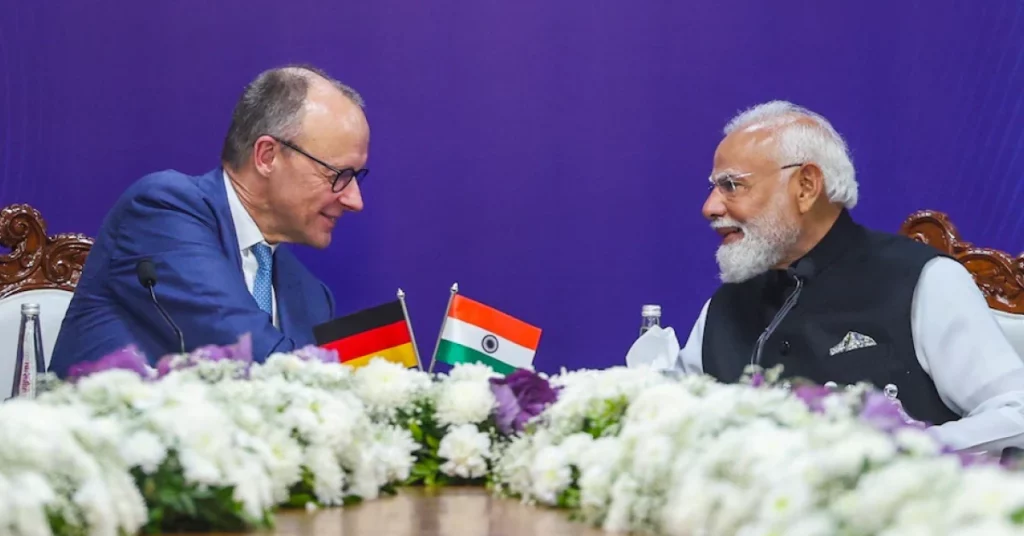
If you often fly abroad or dream of easier international travel, here is good news for you. Germany allows visa free transit for Indians, making your long journeys smoother and less stressful.
This big decision came during a high-level India Germany meeting and signals stronger trust between the two nations.
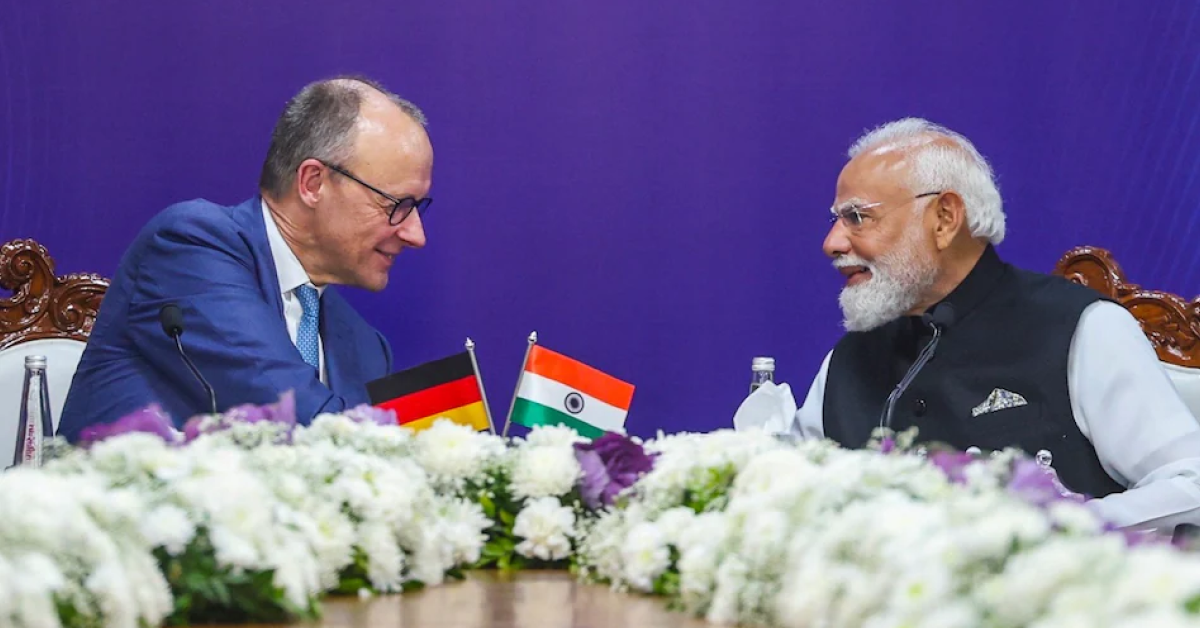
Along with easier transit, Prime Minister Narendra Modi also invited German universities to set up campuses in India, opening new doors for your education and global exposure.
There’s more to it!
Germany Allows Visa Free Transit For Indians: What This Means for You?
When Germany allows visa free transit for Indians, it directly affects you as an Indian passport holder. Earlier, even if you were just changing flights in Germany and staying inside the airport, you still needed a Schengen transit visa. That meant extra paperwork, waiting time, and stress.
Now, you can pass through German airports for international connections without applying for a separate airport transit visa. This makes your journey faster, simpler, and more affordable.
This move is especially helpful if you often travel to Europe, North America, or other regions where German airports are major hubs.
What Exactly Has Changed for Indian Travellers?
Let us break this down clearly so you know exactly how this decision helps you.
Earlier, if your flight route included a stop at Frankfurt, Munich, or Berlin, you needed a Category A Schengen transit visa, even if you never stepped outside the airport. With Germany allows visa free transit for Indians, that requirement is gone.
You can now stay in the international transit area and board your connecting flight without applying for that visa.
However, you must remember one important thing. This facility is only for transit. It does not give you permission to enter Germany or any other Schengen country.
Key Facts at a Quick Glance
| Facts | Details |
| Decision | Germany allows visa free transit for Indians |
| Who benefits | Indian passport holders |
| Applies to | International airport transit only |
| Airports covered | German international airports |
| Visa removed | Schengen Airport Transit Visa (Category A) |
| Entry into Germany | Not allowed under this facility |
| Announcement made during | German Chancellor’s India visit |
| Indian PM response | Welcomed and thanked Germany |
Who Announced the Decision and When?
This major update was announced during German Chancellor Friedrich Merz’s official visit to India. This was his first visit to the country and marked an important moment in India Germany relations.
At a joint press conference, Prime Minister Narendra Modi openly thanked Chancellor Merz for the move. He said the decision would not only make travel easier for you but also strengthen people to people connections between the two countries.
The announcement came at a time when both nations are focusing on deeper cooperation across education, economy, technology, and global security.
Why This Move Matters So Much to You?
When Germany allows visa free transit for Indians, it saves you time, money, and effort. Transit visas often involve paperwork, appointment slots, and fees. Removing this step reduces travel anxiety, especially for first time international flyers.
Germany is home to some of Europe’s busiest airports. Many long haul flights pass through German hubs. With this change, you can choose better flight options without worrying about transit visa rules.
It also signals growing trust in Indian travellers and strengthens India’s global mobility standing.
Important Limitations You Should Know
While the news is positive, it is important you understand the limits clearly.
This visa free transit facility does not allow you to:-
- Exit the airport
- Enter Germany
- Visit family or friends
- Attend meetings or tourism activities
If your travel purpose involves entering Germany or any Schengen country, you will still need the appropriate visa.
Knowing this helps you plan better and avoid confusion during travel.
PM Modi Invites German Universities to India
Alongside Germany allows visa free transit for Indians, another big announcement caught attention. Prime Minister Narendra Modi invited German universities to open campuses in India.
This invitation is part of a comprehensive roadmap on higher education cooperation signed by both countries. For you as a student or parent, this could mean access to German quality education without leaving India.
German universities are known for strong research, technical education, and industry links. Their presence in India can improve skill development, research collaboration, and global exposure for Indian students.
Education Cooperation Explained Simply
Here is how this education partnership could impact you:
| Area | What it means for you? |
| German campuses in India | Study world class courses at home |
| Joint research | Better innovation and career options |
| Student exchanges | More chances to study abroad |
| Skill development | Strong focus on industry needs |
This step shows that India and Germany are not just focusing on travel ease but also on long term knowledge sharing.
A Bigger Picture of India Germany Relations
The decision that Germany allows visa free transit for Indians is part of a much larger partnership. The German Chancellor’s visit coincides with:
- 75 years of diplomatic relations between India and Germany
- 25 years of Strategic Partnership
Both countries discussed global and regional issues, including conflicts in Ukraine and Gaza. They shared a common view that terrorism is a serious threat and must be fought together with strong commitment.
Economic and Security Talks During the Visit
During the two day visit, Chancellor Merz and PM Modi also focused on:
- Strengthening business ties
- Boosting defence cooperation
- Building resilient supply chains
- Reducing dependency amid global pressures
Germany and India are both navigating a challenging global environment, especially with economic pressure from major global powers like the United States and China.
This makes cooperation between the two countries even more important for stability and growth.
Climate, Energy, and Technology Cooperation
Another area that directly affects your future is climate and energy cooperation. PM Modi highlighted upcoming green hydrogen projects involving Indian and German companies.
These projects aim to shape the future of clean energy and sustainable development. Strong cooperation in urban development and technology was also discussed.
Such partnerships can lead to more jobs, better infrastructure, and cleaner cities in the long run.
Agreements Expected Between India and Germany
According to reports, both sides are expected to sign around 10 agreements. These cover areas such as:
- Critical minerals
- Traditional medicines
- Technology cooperation
- Defence and security
Each agreement strengthens the relationship and creates new opportunities for businesses, researchers, and professionals.
Note: We have also covered Indian startups vs Chinese startups. Go through the article for more details.
Why This Is Good News Even If You Are Not Traveling Now?
Even if you are not flying anytime soon, the fact that Germany allows visa free transit for Indians reflects growing global confidence in Indian travellers.
It also sets a positive example for other countries to ease mobility rules for Indians. Over time, this can lead to more relaxed visa norms, better travel options, and stronger international connections for you.
Final Thoughts
The decision that Germany allows visa free transit for Indians is more than just a travel update. It is a sign of deepening trust, stronger ties, and shared goals between India and Germany. For you, it means smoother journeys, fewer hassles, and better choices when flying internationally.
Combined with Germany’s interest in Indian education, clean energy, and technology, this move shows a future focused on cooperation, growth, and mutual respect.
As India Germany relations continue to grow, you can expect more such people friendly decisions that make your global journey easier and more meaningful.
