
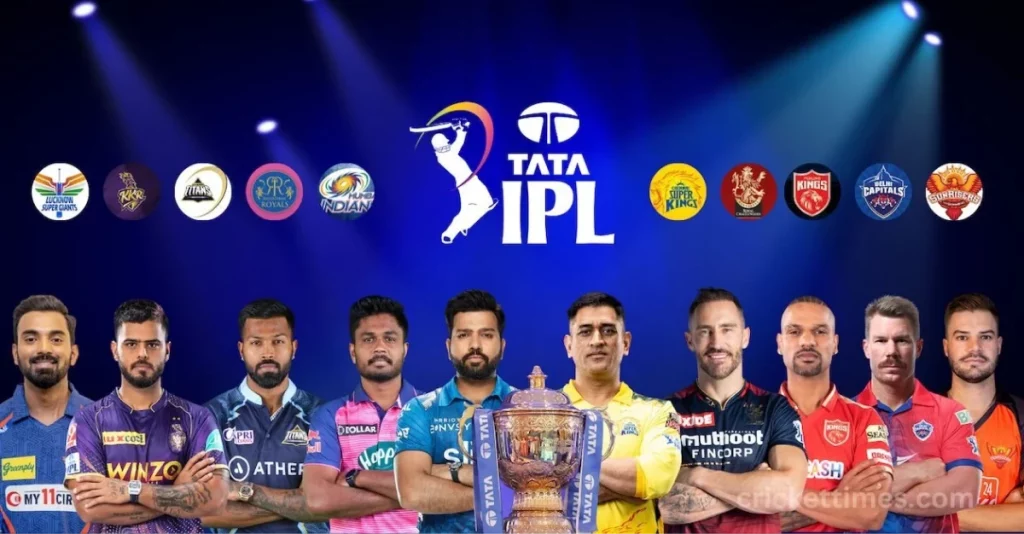
The Indian Premier League (IPL) isn’t just a cricket tournament—it’s a money-making machine! Every year, IPL teams generate hundreds of crores in revenue, making their franchise owners richer than ever. But have you ever wondered, how IPL teams make money?

Many fans assume that teams earn primarily from ticket sales, but that’s just the tip of the iceberg. The real money flows in through broadcasting rights, sponsorships, merchandise, and digital revenue streams.
In this article, we’ll break down exactly how IPL teams make their fortunes, answer questions like “How profitable is an IPL team?”, “How much money does each IPL team get?”, and “Which team earns the most money in IPL?”, and reveal some mind-blowing financial secrets of the IPL.
So, get ready to explore the multi-billion-dollar world of IPL team finances!
The Biggest Revenue Sources for IPL Teams
IPL franchises make money through multiple revenue streams, each contributing millions of dollars to their total earnings. Let’s break them down one by one.
1. Central Revenue Pool (BCCI’s Broadcast & Sponsorship Money)
One of the largest revenue sources for IPL teams is the Central Revenue Pool, which is the money collected by the Board of Control for Cricket in India (BCCI) from broadcasting rights and league sponsorships. This money is then distributed among all IPL teams.
How Does the Central Revenue Pool Work?
- The broadcasting rights for IPL matches are sold to TV networks and streaming platforms.
- Similarly, BCCI signs league-wide sponsorships (e.g., Tata as the title sponsor).
- This revenue goes into a pool, which is then divided among the 10 IPL teams.
Latest IPL Media Rights Deal (2023-2027)
In 2022, the IPL media rights were sold for ₹48,390 crore ($6.2 billion), a record-breaking deal! Here’s how the money is split-
- TV rights (Star Sports): ₹23,575 crore ($3.02 billion)
- Digital rights (Viacom18 – Jio Cinema): ₹23,758 crore ($3.04 billion)
What does this mean for IPL teams?
Since the revenue is shared, each franchise is expected to receive ₹500-600 crore per season just from the central revenue pool! This means that before selling a single ticket or jersey, teams already have hundreds of crores in their pockets!
2. Sponsorship Deals (Team-Specific Sponsorships)
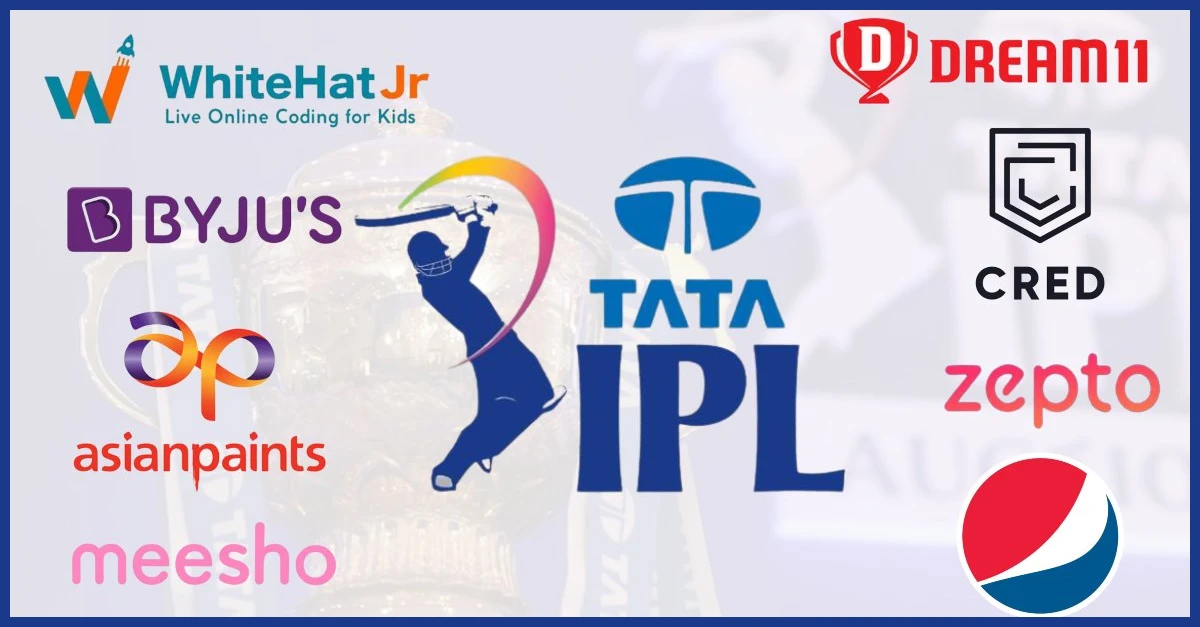
Apart from BCCI’s central sponsorships, each IPL team also signs its own team-specific sponsorship deals, which bring in additional revenue.
How Do IPL Teams Earn from Sponsorships?
Sponsors pay IPL teams to feature their logos on jerseys, team kits, and stadium advertisements. More popular teams, like Mumbai Indians (MI) and Chennai Super Kings (CSK), charge premium rates due to their massive fan following.
Types of Sponsorships & Their Value
- Title Sponsor – (Example: CSK’s main sponsor is Gulf Oil) – ₹40-50 crore per year
- Principal Sponsors – Logos on front of jerseys – ₹25-40 crore per sponsor
- Associate Sponsors – Logos on sleeves, caps, helmets – ₹5-15 crore per sponsor
- Kit Sponsors – (Example: Puma for RCB, Adidas for MI) – ₹10-20 crore
Total Sponsorship Earnings per IPL Team: ₹70-100 crore per season (Forbes India).
Sponsorships are a steady and growing revenue source. As IPL’s viewership rises, brands are willing to pay more for visibility, making sponsorship deals even more lucrative for teams.
3. Ticket Sales (Matchday Revenue from Stadiums)
You buy a ticket, but how much of that money goes to the team?
How Much Do IPL Teams Earn from Ticket Sales?
Here’s the answer-
- Ticket prices range from ₹500 to ₹10,000, depending on the match and stadium.
- Stadiums like Wankhede (Mumbai) and Eden Gardens (Kolkata) have 30,000+ seats.
- If an average ticket sells for ₹2,000, a full stadium earns ₹6-8 crore per match.
Estimated Earnings Per Team from Ticket Sales: ₹50-100 crore per season.
Ticket sales are a valuable revenue stream, but compared to sponsorships and broadcast rights, they contribute a smaller percentage to a team’s total earnings.
4. Merchandise Sales (Jerseys, Caps & Accessories)
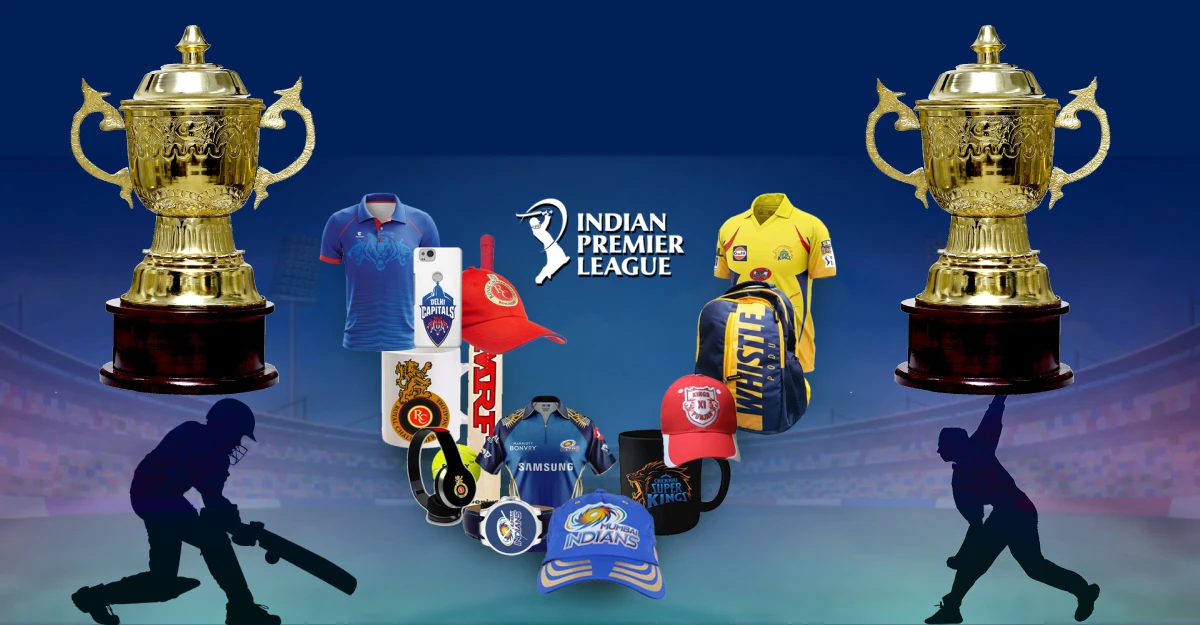
Every IPL team sells its own official merchandise, including jerseys, caps, flags, and accessories.
How Much Do Teams Earn from Merchandise?
- An official team jersey costs around ₹2,000.
- If a team sells 500,000 jerseys, that’s ₹100 crore revenue!
- Merchandise is sold online (Amazon, Flipkart), in stadiums, and through team stores.
Estimated Earnings from Merchandise: ₹10-30 crore per team per season.
Teams with strong fan bases (like CSK, MI, and RCB) earn more from merchandise. The more popular a team, the higher their merchandise revenue!
How Profitable Is an IPL Team?
Now, the burning question—Do IPL teams actually make a profit? The short answer is YES!
Revenue vs. Expenses: Profit Breakdown
Here’s a rough estimate of an IPL team’s finances per season-
| Revenue Source | Earnings (₹ Crore) |
| Central Revenue (BCCI) | ₹500-600 crore |
| Sponsorships | ₹70-100 crore |
| Ticket Sales | ₹50-100 crore |
| Merchandise Sales | ₹10-30 crore |
| Total Revenue | ₹635-845 crore |
Expenses Per Season
- Player Salaries: ₹90-110 crore
- Support Staff & Management: ₹30-50 crore
- Marketing & Promotions: ₹30-60 crore
- Stadium & Logistics: ₹20-50 crore
Net Profit Per IPL Team (Approximate): ₹300-500 crore per season!
IPL teams are highly profitable businesses, with some franchises even crossing ₹1,000 crore in annual revenue!
Which IPL Team Earns the Most Money?
Here’s a ranking of the richest IPL teams (2023 estimates)-
- Mumbai Indians (MI) – ₹900+ crore revenue (Valued at $1.3 billion)
- Chennai Super Kings (CSK) – ₹850+ crore revenue
- Kolkata Knight Riders (KKR) – ₹750+ crore revenue
- Royal Challengers Bangalore (RCB) – ₹700+ crore revenue
The IPL Auction: A Game of Big Money

One of the most exciting aspects of IPL is the player auction, where franchises bid for top cricketers. But did you know that IPL teams also make money from this process?
How Does the IPL Auction Work?
Each franchise gets a salary purse (₹100 crore in 2024) to buy players. However, teams don’t always spend their entire budget. Unspent money can be rolled over to the next season, improving financial flexibility.
How Teams Benefit from Player Auctions
- Marketing Impact: A star player like Virat Kohli or MS Dhoni boosts merchandise sales, ticket revenue, and social media engagement.
- Player Transfers: Teams can trade players before a season, sometimes selling a player for a higher price than they paid.
- Brand Value Boost: More marquee players mean higher sponsorship deals and fan engagement.
Example: In 2022, Gujarat Titans (GT) signed Shubman Gill for ₹7 crore. By 2023, his stellar performances boosted GT’s social media following by 300%, increasing their sponsorship earnings.
Investing in the right players is not just about winning matches but also about increasing revenue potential for the team!
Digital Revenue: The New Goldmine for IPL Teams
The digital boom has opened up new ways for IPL teams to make money. With more fans streaming matches online and engaging with teams on social media, franchises are cashing in through digital sponsorships, YouTube revenue, and NFTs.
How IPL Teams Earn from Digital Platforms?
Social Media Sponsorships
- Teams partner with brands for exclusive Instagram, Twitter, and Facebook promotions.
- Example: Mumbai Indians partnered with Usha Fans for digital campaigns.
YouTube Monetization
- Teams post behind-the-scenes videos, interviews, and match highlights.
- With millions of views, YouTube ads generate ₹1-5 crore per season.
NFTs & Fan Tokens
- IPL teams are exploring blockchain-based digital collectibles (NFTs).
- Example: RCB and MI launched NFTs in collaboration with Rario.
Estimated Digital Earnings: ₹5-20 crore per team per season.
As the world moves online, IPL teams will continue to make huge money from digital platforms, with future earnings potentially surpassing ticket sales!
Brand Value Growth: Why IPL Teams Keep Getting Richer?
Ever wondered why IPL franchises keep growing in value? It’s because the brand value of each team increases every season due to their performance, fan base, and commercial success.
IPL Franchise Valuations (2024)
As per Houlihan Lokey, the valuation of IPL teams of the year 2024 are-
| Team | Valuation | Owner(s) |
| Chennai Super Kings | $231 million | India Cements Limited |
| Royal Challengers Bangalore | $227 million | United Spirits Limited |
| Kolkata Knight Riders | $216 million | Red Chillies Entertainment (Shah Rukh Khan), Juhi Chawla, Jay Mehta |
| Mumbai Indians | $204 million | Reliance Industries |
| Rajasthan Royals | $133 million | Manoj Badale, Lachlan Murdoch, Shane Warne Estate |
| Sunrisers Hyderabad | $132 million | Sun TV Network |
| Delhi Capitals | $131 million | GMR Group, JSW Group |
| Gujarat Titans | $124 million | CVC Capital Partners |
| Punjab Kings | $101 million | Mohit Burman, Ness Wadia, Preity Zinta, Karan Paul |
| Lucknow Super Giants | $91 million | RPSG Group |
Why Do These Teams Keep Growing in Value?
- Massive Fan Base – More fans = higher sponsorship deals.
- Global Expansion – Teams play overseas leagues (e.g., MI owns teams in SA20 and UAE T20).
- Successful Performance – Winning teams attract better sponsors.
What does this mean?
If you owned an IPL team in 2008 for ₹400 crore, it could be worth ₹10,000 crore today—a 25x increase in just 15 years!
Note: Do you know the difference between IPL and EPL? If not, then go through the article- IPL vs EPL: Which Sports League Is A Bigger Business Success.
Final Thoughts on How IPL Teams Make Money?
With multiple revenue streams—including broadcasting rights, sponsorships, ticket sales, player auctions, digital content, and brand value growth—IPL teams have built an unstoppable financial empire.
If you ever dream of owning an IPL team, be ready to invest big—but also earn BIG… What do you think about IPL’s business model? Let us know in the comments!
