
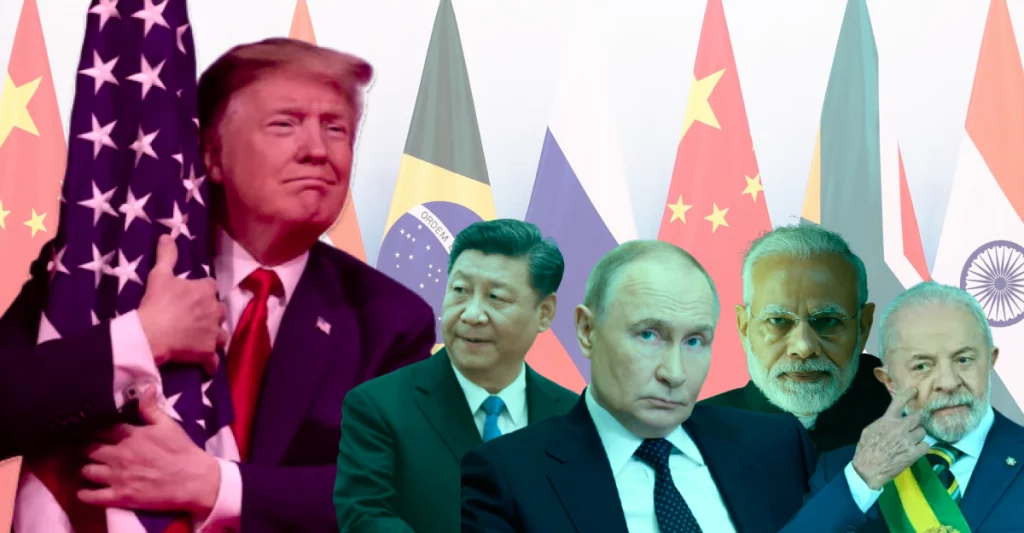
“Forget Netflix, the Geopolitical drama is offering more entertainment than ever before!”
-Public Opinion
Well, this is not just a statement but a sarcastic opinion trending worldwide.
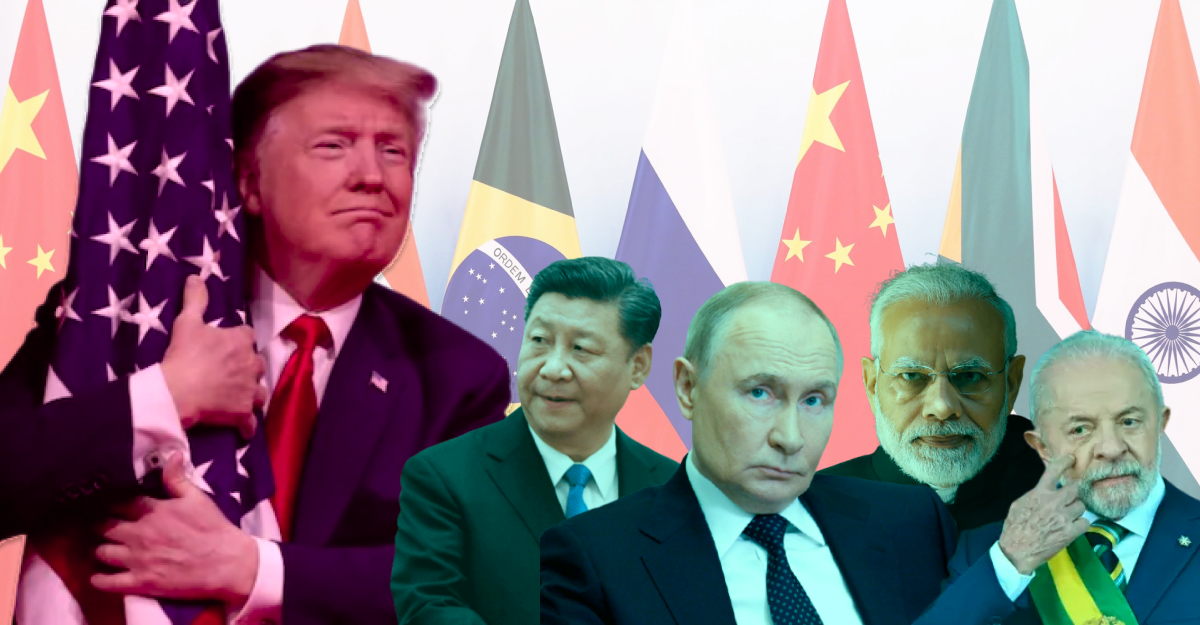
And guess who is playing the main role here? The honourable US President “Donald Trump”!
The US Prez is known as the most powerful person on Earth. Now look at the statements of this so-called “Most Powerful Man”-
- Trump threatens Canada with 100% tariffs if it “makes a deal with China.”
- Trump has already imposed 50% tariffs on India, the highest on the list for purchasing Russian oil, even more than China’s 34%
- Trump has openly threatened to occupy Greenland bcz it has rare earth minerals
- Trump tariffs could put $621 billion of Asian exports at risk
Donald Trump has always treated tariffs as more than an economic tool. Taken together, these are not isolated threats or offhand remarks.
They point to a clear shift in how the United States is using economic power and political pressure.
Countries that usually avoid taking sides are suddenly talking warmly about the protagonist that will be the powerful alternative to the USA.
And that’s none other than BRICS!
European leaders are name-checking it. Asian and African economies are leaning in. And all this is happening while the US economy is still growing at a solid pace.
So why does it feel like the world is quietly rearranging itself?
A big part of the answer lies in Trump tariffs and what they signal about how Washington now sees power, trade, and alliances.
What is BRICS?
BRICS didn’t start as a political bloc.
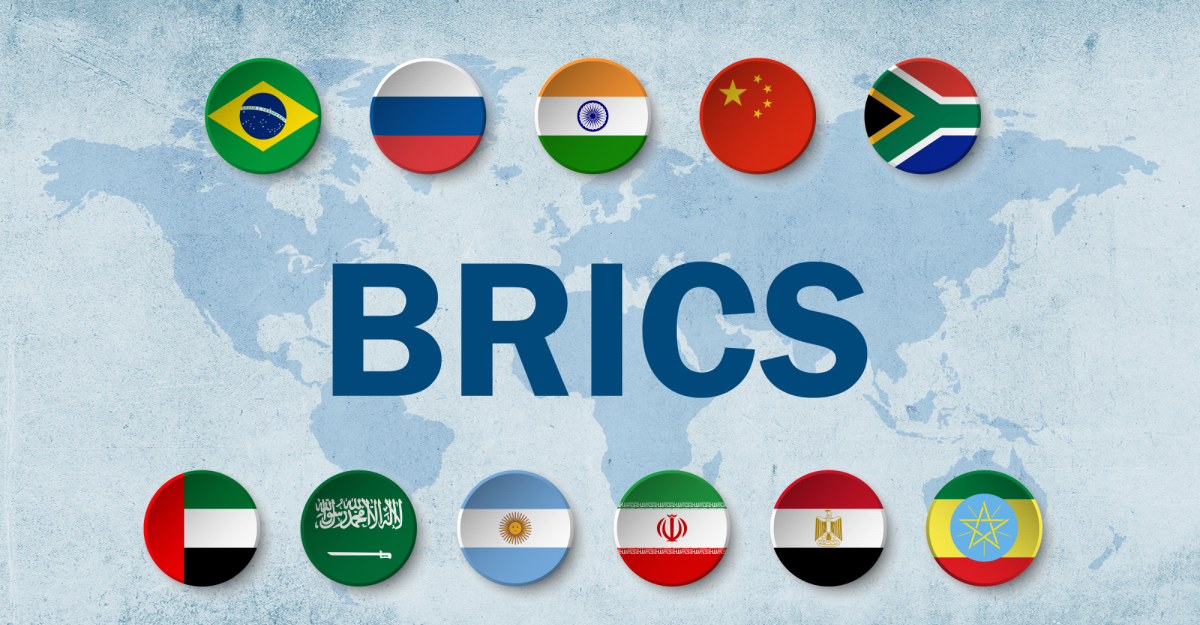
In 2001, a Goldman Sachs economist coined the term to describe fast-growing economies: Brazil, Russia, India, and China. It was an investment idea, not a movement.
That changed gradually:
- 2006: Foreign ministers met informally at the UN
- 2009: The first BRICS summit was held in Russia
- 2010: South Africa joined, turning BRIC into BRICS
For years, it remained a loose forum. No grand ideology. No military alliance. Mostly talk.
But you see, this has changed sharply since 2024.
Why Timing of BRICS Expansion Matters?
Between 2024 and early 2025, BRICS expanded faster than at any point in its history.
New full members now include:
- Egypt
- Ethiopia
- Iran
- Saudi Arabia
- United Arab Emirates
- Indonesia
That brings the total to 11 countries.
Together, BRICS now accounts for over 40% of global GDP in purchasing power terms, more than the G7.
This expansion didn’t happen in a vacuum. It coincided directly with the escalation of Trump tariffs, especially against large developing economies like India and Brazil.
When trade pressure increases, coordination suddenly looks attractive.
Quick Recap: Why Trump Tariffs Make Other Countries Nervous?
For decades after World War II, the global system worked on a few basic assumptions: rules mattered, alliances were relatively stable, and trade disputes were settled through institutions like the WTO.
Trump’s approach cuts across that framework.
Tariffs are now being used:
- To punish countries for their foreign policy choices
- To pressure allies into bilateral deals
- To bypass multilateral rules altogether
Even close US partners are not immune. Japan and South Korea, both treaty allies, are staring at serious trade risks. Europe, already strained by defence and energy disputes, now faces open economic pressure.
That creates a simple question for many capitals: what’s the backup plan if access to the US market becomes unpredictable?
For a growing number of countries, the answer is BRICS.
What World Leaders Are Saying And Why It Matters?
At the 2025 BRICS Summit in Brazil, the tone was unusually direct.
Brazilian President Lula da Silva didn’t mince words. He spoke openly about reducing dependence on the US dollar and said the world doesn’t want “emperors” anymore. You didn’t need a translator to know who that was aimed at.
India’s Prime Minister Narendra Modi, while more measured, leaned heavily on the idea of multipolarity and welcomed Indonesia into the group, a clear signal that BRICS wants deeper links with Southeast Asia.
Leaders from Egypt, the UAE, and Ethiopia pushed for more South-South trade, arguing that tariffs from rich countries were forcing their hand.
Even Indonesia, traditionally careful to balance relationships, described BRICS as a shield against protectionism.
When countries start using language like that, it tells you something fundamental has shifted.
Europe’s Quiet Recalibration
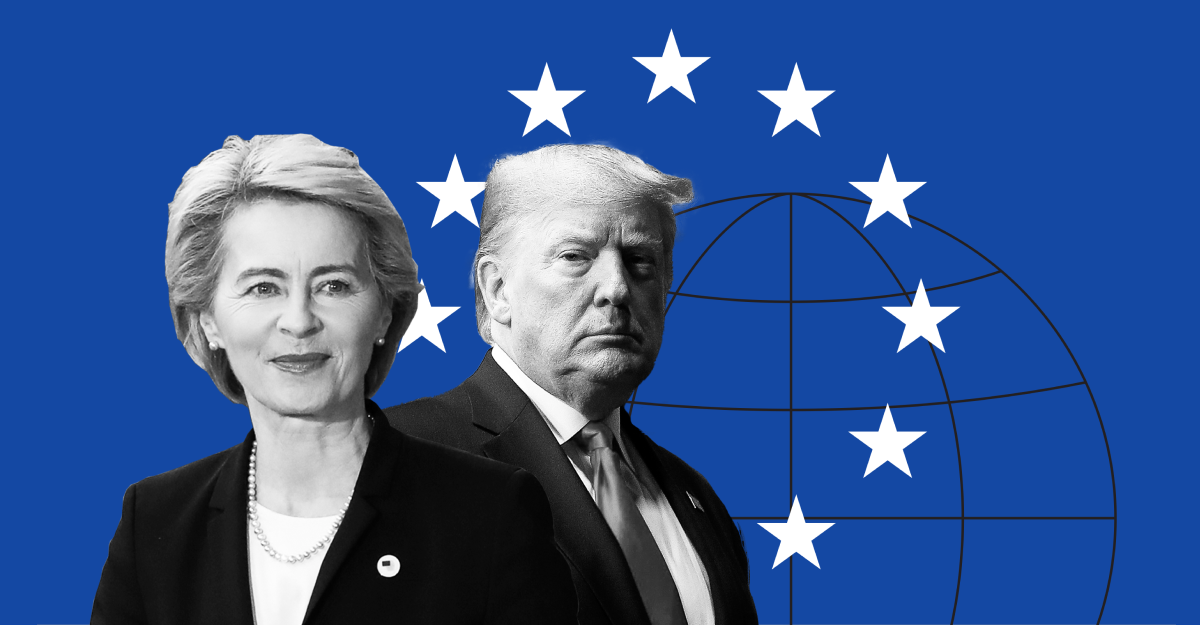
Perhaps the most telling signal came from Europe.
French President Emmanuel Macron, speaking at Davos in January 2026, called for building “bridges” with BRICS and G20 economies. He warned that global fragmentation made no sense and pointed to structural imbalances, including US overconsumption.
This wasn’t anti-American rhetoric. It was strategic realism.
With Trump reviving a Monroe Doctrine-style worldview and openly straining transatlantic ties, European leaders are hedging. They don’t want to choose sides, but they also don’t want to be caught exposed.
BRICS offers an alternative table to sit at.
The $621 Billion Problem Asia Can’t Ignore
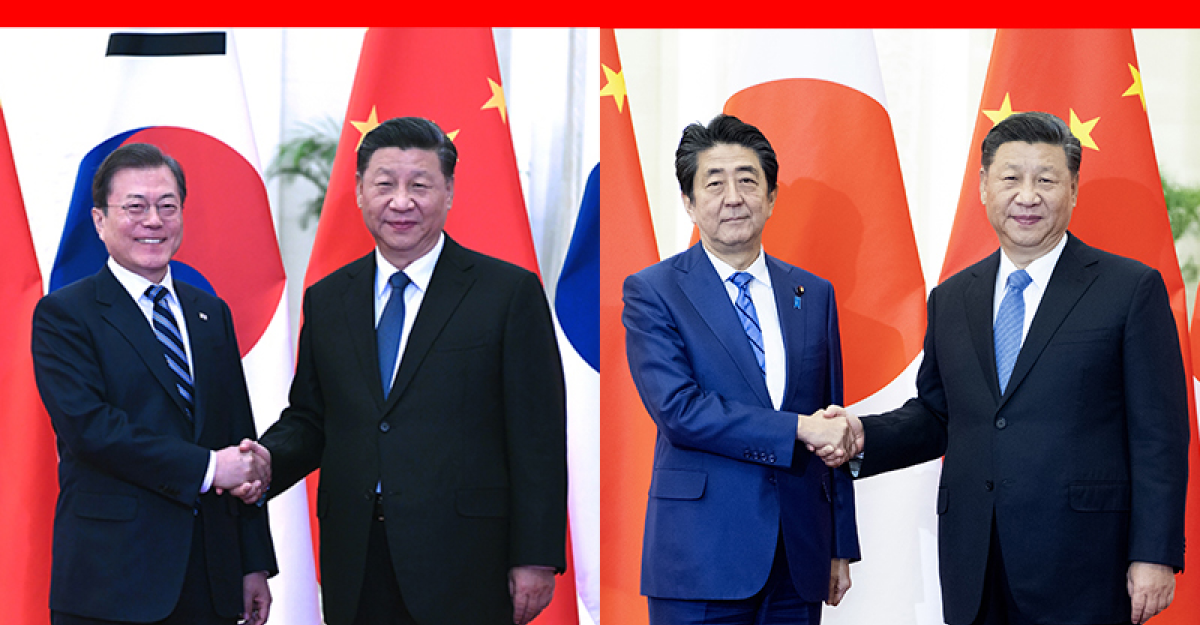
Beyond politics, there’s a hard economic number that explains the urgency.
A Nikkei Asia analysis estimates that$621 billion worth of Asian exports could be at risk from current and potential US tariffs.
This isn’t just about Trump’s “reciprocal” tariffs, which are being challenged in the US Supreme Court. Even if those are struck down, the White House has another weapon: Section 232 national-security tariffs.
Here’s why that matters…
How Section 232 Changes The Game?
Section 232 of a 1962 US trade law allows tariffs if imports are deemed a national security risk.
Trump has embraced this aggressively:-
- 14 investigations launched in a single year
- Targets include steel, aluminium, autos, semiconductors, pharmaceuticals, machinery, and critical minerals
- Trump now accounts for around 40% of all Section 232 probes in 60 years
These tariffs are legally separate from reciprocal tariffs. So even if courts intervene, this channel stays open.
And Asia is most exposed.
| Country | Exports At Risk Under Section 232 |
| China | $142 billion |
| Japan | $107 billion |
| South Korea | $102 billion |
Notice something? Two of America’s closest allies are near the top of the list.
That sends a clear message: alliances don’t guarantee trade stability anymore.
Why BRICS Suddenly Feels Practical, Not Ideological?
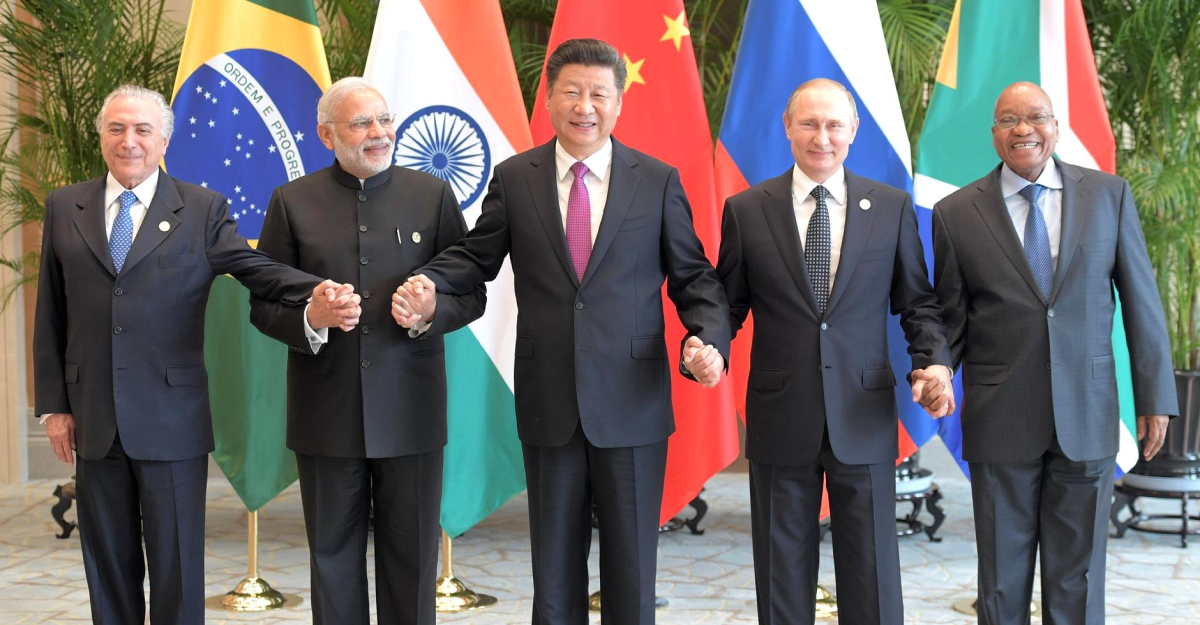
This is why BRICS is gaining traction, not because countries love each other, but bcz they need options.
Within the bloc:-
- Trade in local currencies is expanding
- Deals are increasingly done without the dollar
- Political coordination helps soften tariff shocks
- No single country can easily dictate terms
India is deepening ties with China through the SCO. Brazil continues to expand trade with Beijing despite facing 50% US tariffs. Vietnam, hit by new levies, has signed multiple intra-Asia deals.
This isn’t about replacing the US overnight. It’s about reducing vulnerability.
So, Is The US Dominance Fading?
Not exactly!
The US economy just grew 4.4% in the third quarter, a two-year high. The Federal Reserve is expected to hold rates steady. American financial power remains unmatched.
But dominance isn’t just about size. It’s about trust and predictability.
When tariffs become sudden, personal, and political, countries adapt. They don’t protest loudly. They quietly diversify.
That’s what you’re seeing now!
Trump tariffs haven’t collapsed the global system. But they’ve nudged it into a new shape, one where BRICS looks less like a talking shop and more like an insurance policy.
And once countries start building alternatives, they rarely stop halfway…
Isn’t it? Share your thoughts in the comment section.
Thanks for reading 🙂
