
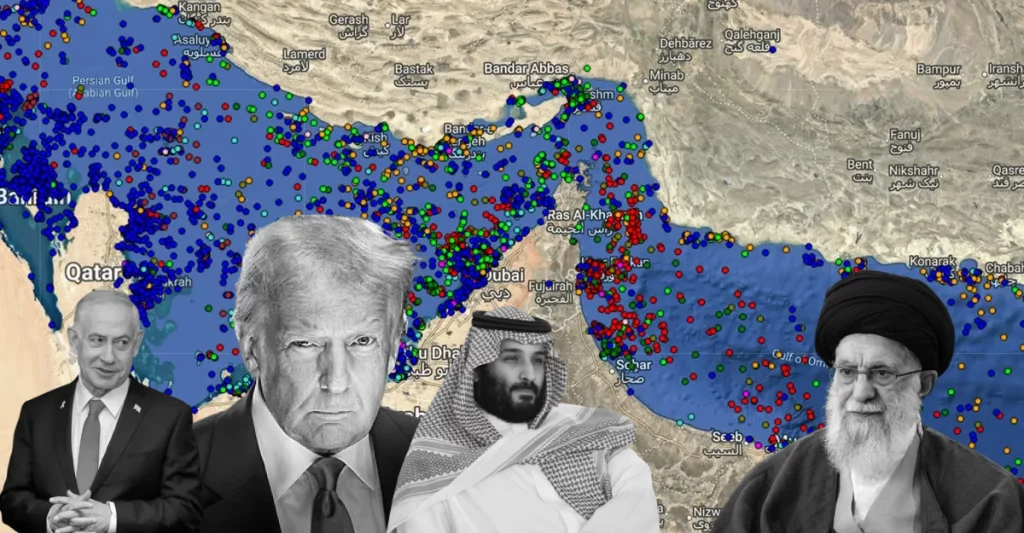
We all know that the Strait of Hormuz has long been described as the world’s most sensitive energy chokepoint. When headlines declare that Iran closes the Strait of Hormuz, oil prices move within minutes and shipping insurers reassess their exposure just as quickly. Yet the phrase “closure” often obscures more than it explains.
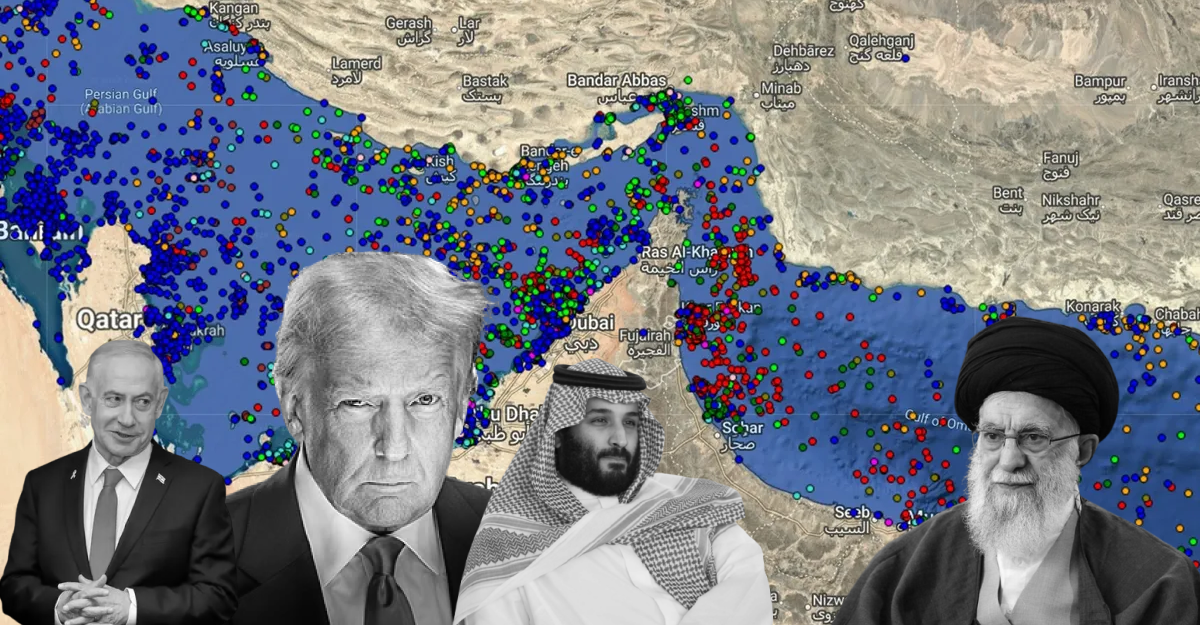
Reports that Iran “closes” Strait of Hormuz following US and Israeli strikes mark the most serious escalation in years. Iranian state media announced the deaths of Supreme Leader Ayatollah Ali Khamenei and several senior officials. In response, the Islamic Revolutionary Guard Corps declared that vessels would no longer be permitted to transit the waterway.
Such declarations immediately raise practical questions. Who controls the Strait of Hormuz? The shipping lanes run through the territorial waters of both Iran and Oman, but international maritime law guarantees transit passage. No single state owns the strait. Those asking who owns the Strait of Hormuz are really asking who can deny access. In reality, control depends less on legal title and more on the ability to impose military risk.
The IRGC Navy broadcast warnings over maritime radio frequencies stating that ships should not attempt to cross. Whether that constitutes a full closure depends on enforcement. Even the credible threat of attack can be enough to halt commercial traffic, as insurers withdraw cover and shipowners wait for clarity.
Background: What is the Strait of Hormuz?
What is the Strait of Hormuz in practical terms? It is a narrow stretch of water linking the Persian Gulf to the Gulf of Oman and the Arabian Sea. Where is the Strait of Hormuz? It lies between Iran to the north and Oman’s Musandam Peninsula to the south. At its tightest point it is barely 33 kilometres wide, with shipping lanes far narrower. Through this passage flows roughly a fifth of globally traded crude and a substantial share of liquefied natural gas.
Because so much energy passes through such a confined corridor, even limited disruption can carry global consequences. When markets hear that Iran closes Strait of Hormuz, they are reacting less to a legal proclamation and more to the risk that tankers cannot safely pass.
Escalation Timeline: Strikes and Retaliation
The confrontation did not erupt in a single dramatic burst. It built over hours. US and Israeli aircraft struck what officials described as high-value Iranian targets. By evening, Iranian state television was confirming the deaths of senior political and military figures. The narrative hardened quickly on both sides, and the space for de-escalation narrowed just as fast.
Washington framed its actions as necessary to restore deterrence. Tehran characterised them as acts of war. Within hours, the IRGC signalled retaliation. Missile and drone launches targeted Israeli positions and US-linked facilities in the region, including assets associated with the Fifth Fleet in Bahrain.
Against this backdrop, the announcement that Iran closes Strait of Hormuz became the centrepiece of its response. The message was calibrated. Rather than immediately mining the channel or physically blocking it, Tehran signalled intent and raised uncertainty. In energy markets, uncertainty alone can be powerful.
Attacks on Shipping: Early Signs of Chaos
Even before the formal declaration, shipping incidents pointed to rising risk. Two vessels were struck in or near the strait, according to maritime security monitors. A tanker reported fire damage but continued its voyage. Another vessel sustained visible impact above the waterline.
| Incident Details | Location | Projectile Impact | Fire Status | Vessel Intent |
| Ship 1 | Off Oman coast | Above waterline; engine room initially reported | Under control | Not specified |
| Ship 2 (Tanker) | 17 nautical miles NW of Mina Saqr, UAE | Caused onboard fire | Extinguished | Continue voyage |
| Oil Tanker (Iran claim) | Transiting Strait of Hormuz | Struck while “illegally” passing | Thick black smoke; reportedly sinking | N/A (sinking) |
The details matter less than the signal they send. Shipping advisories, including routine stena sailing updates and alerts from the UK Maritime Trade Operations centre, began to emphasise caution. Underwriters reassessed war risk premiums. In previous crises, insurance costs have multiplied within days, effectively pricing smaller operators out of the route.
A claimed strike on an oil tanker transiting the strait reinforced the perception that commercial traffic could become a lever of state pressure. Even isolated incidents can prompt shipowners to pause sailings, creating a de facto slowdown without a formal blockade.
Geographic Vulnerabilities of the Strait of Hormuz
A glance at any Strait of Hormuz map makes clear why it is so difficult to secure. The navigable shipping lanes are only a few kilometres wide in each direction. Tankers must follow designated traffic separation schemes, leaving little room for evasive manoeuvre.
From the Iranian side, the coastline rises into scrubbed hills that overlook much of the shipping lane. It is terrain that lends itself to radar stations and missile batteries. Opposite, Oman’s Musandam Peninsula presses northward, tightening the corridor. The water is shallow in places, which limits manoeuvre for large naval vessels and channels submarines into fairly predictable tracks.
These features create classic chokepoint dynamics. A small number of mines, disabled vessels, or credible missile threats can disrupt traffic disproportionately. This geography explains why analysts have long debated how Iran would close the Strait of Hormuz. It would not require sealing every nautical mile. It would require making passage unsafe or commercially unviable.
Strategic Importance: Global Energy Lifeline
Roughly 21 million barrels of crude and condensate pass through the strait daily, alongside substantial volumes of LNG. For Asian importers in particular, the Strait of Hormuz is not one supply route among many. It is the central artery.
| Energy Type | Volume | Share of Global Consumption/Trade |
| Crude Oil & Condensate | 21 million barrels/day | ~20-21% |
| LNG | 90 million tonnes/year | ~25% |
| Refined Products | Substantial daily volumes | Key for immediate supply |
China draws a significant share of its imported crude from Gulf producers whose exports depend on this corridor. India, Japan and South Korea are similarly exposed. While china and russia have deepened energy ties in recent years, Russian supply cannot fully substitute for Gulf volumes, especially at short notice.
For producers, the stakes are equally high. Saudi Arabia, Iraq, the UAE and Qatar rely heavily on uninterrupted exports to fund state budgets. In this sense, the iran Strait of Hormuz crisis threatens both buyers and sellers.
Why Pipelines Can’t Save the Day?
Gulf states have invested in pipeline infrastructure designed to bypass the chokepoint.
| Nation | Pipeline Route | Capacity Relative to Exports |
| Saudi Arabia | East-West to Red Sea | Partial offset; max ~5M bpd, underutilized |
| UAE | Habshan-Fujairah to Gulf of Oman | ~1.5M bpd; serves 10-20% of UAE output |
| Kuwait | Limited to local/terminal | Negligible bypass |
| Iraq/Qatar | None viable | 100% Strait-dependent |
Saudi Arabia’s East-West pipeline can redirect some crude to the Red Sea. The UAE’s Habshan Fujairah line allows exports from the Gulf of Oman side of the peninsula.
But these alternatives cover only a fraction of total flows. They cannot absorb the full export capacity of the region. Kuwait and Qatar remain overwhelmingly dependent on maritime transit through the strait. Expanding pipeline capacity would take years, not weeks.
In practical terms, pipelines mitigate but do not neutralise the risk.
Gulf Exporters: Revenue Catastrophe Looms
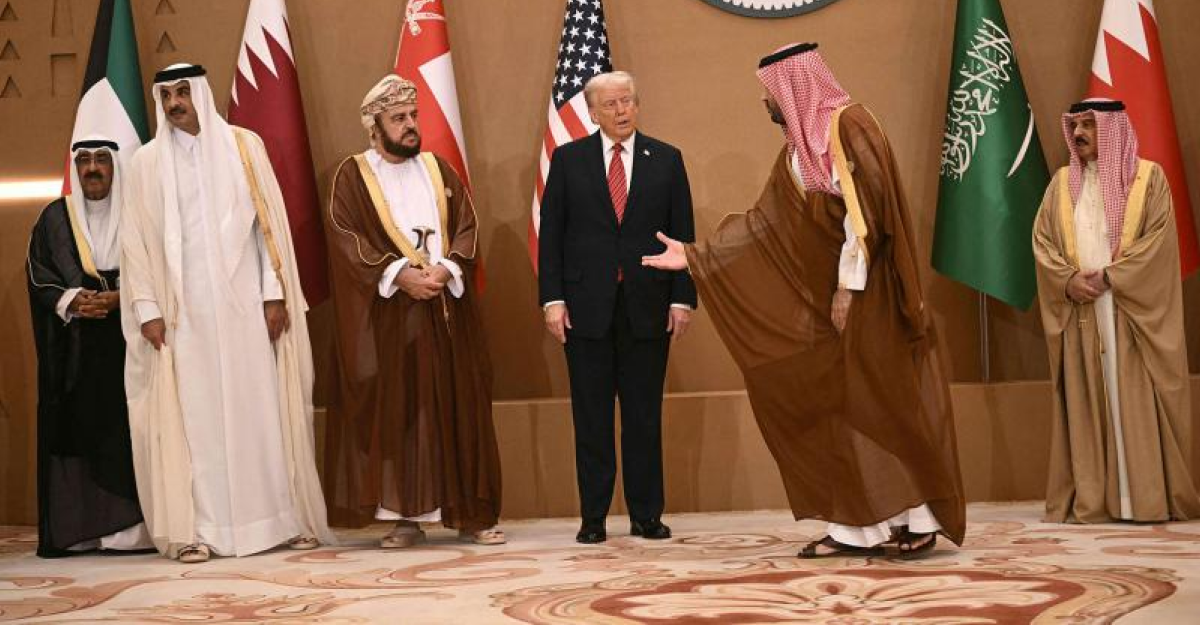
For Gulf governments, energy revenue underpins fiscal stability. Saudi Arabia funds ambitious diversification plans and extensive social spending through oil exports. Iraq’s public sector payroll depends almost entirely on crude receipts. Qatar’s LNG contracts anchor long-term relationships with Asian and European buyers.
A sustained halt would strain budgets quickly. Even a temporary disruption can complicate cash flow, delay infrastructure projects and unsettle domestic expectations. These states also understand that customers, once forced to diversify, may not return in the same volumes.
Note: Speaking of middle east nations, one question that always rise- Can these countries survive without oil? Well, we have already explained it here- Can Saudi Arabia survive without oil? Go through it and you’ll know!
Major Importers: Asia’s Nightmare Exposure
If exporters face a revenue shock, importers face supply shock. India sources the bulk of its crude from the Middle East. China’s total import volumes are larger, though it maintains more extensive strategic reserves. Japan and South Korea remain almost entirely dependent on imported hydrocarbons.
| Country | % Oil from Middle East | % Gas from Region | Reserves (Days) | Inflation/Other Risks |
| India | 80-90% | 50%+ | 9-11 (oil); limited gas | Rupee crash, food inflation, subsidy explosion, political unrest |
| China | ~50% total crude | Significant LNG | 90+ but finite | Factory shutdowns, export slump, social stability threats |
| Japan | 95%+ | High | ~120 oil | Yen pressure, manufacturing halt |
| South Korea | 70%+ oil; heavy LNG | Very high | ~120 oil | Shipbuilding/electronics crippled |
Strategic petroleum reserves can cushion short disruptions. They are less effective in a prolonged closure. Refinery configurations, shipping distances and contractual obligations limit how quickly alternative supplies can be secured.
For Beijing, the situation intersects with broader geopolitical positioning. China and Russia have strengthened energy links, but Russian pipelines and seaborne exports cannot fully offset a large scale Gulf interruption. For New Delhi, higher oil prices feed directly into inflation and currency pressure.
Beyond Fuel: Cascading Economic Dominoes
Oil shocks rarely stay confined to the oil market. Higher crude feeds quickly into diesel, jet fuel and petrochemical inputs. Shipping insurers raise premiums. Airlines hedge. Equity investors reassess exposure, particularly in economies that import most of their energy.
The reaction is not limited to oil producers. Infrastructure groups, transport firms and logistics operators can all see volatility. In previous flare-ups, even energy pathways share price movements have served as a barometer of investor anxiety.
Currencies tend to absorb part of the strain. When oil prices jump, large importers often see their trade deficits widen, which can weaken exchange rates. Central banks then face a familiar dilemma: tighten policy to contain inflation, or protect growth at the risk of higher prices.
Iran’s Asymmetric Arsenal: Securing the Strait?
Iran does not need a conventional blue water navy to threaten traffic. Its strategy relies on asymmetry. Fast attack craft can harass larger vessels. Coastal missile batteries can cover key stretches of water. Naval mines, inexpensive and difficult to detect, can impose disproportionate disruption.
The question is not whether Iran can sink every tanker. It is whether it can create sufficient uncertainty that commercial operators withdraw voluntarily. In that sense, when observers say iran closes Strait of Hormuz, they may be describing a psychological and commercial closure rather than a hermetic military seal.
Tehran must also weigh costs. A prolonged shutdown would damage its own exports and risk drawing in external powers.
Scenario: 1-2 VLCCs Hit
| Impact Phase | Effects | Duration |
| Immediate | Traffic halt; reroutes add 2-4 weeks | Days |
| Insurance | Premiums x10; no-coverage zone | Weeks-Months |
| Markets | Oil +50%; stocks -10-20% energy-dependent nations | Weeks |
| India | Petrol +30%; inflation +5%; rupee -10% | Ongoing |
Even as a hypothetical, the disabling of one or two very large crude carriers in the narrowest section would likely halt traffic while salvage operations proceeded. Oil prices would react immediately, reflecting both physical disruption and heightened risk.
Removing a disabled tanker from a narrow traffic lane is not a simple tow-away operation. Salvage crews would be working in confined waters, potentially under the threat of further attack and with the possibility of mines still present. If oil were spilled, environmental containment would compete with security concerns for priority.
Path to Reopening: Challenges Ahead
Reopening a contested chokepoint requires more than naval patrols. Mines must be cleared. Insurers must be satisfied that risks are manageable. Shipowners must regain confidence that crews can transit safely.
Diplomacy would inevitably play a role. Regional actors, alongside external powers including russia china and Western states, would have incentives to press for de-escalation. The United Nations could provide a forum, though consensus among major powers is never guaranteed.
History suggests that even after hostilities subside, commercial confidence returns gradually. The Strait of Hormuz has weathered crises before, from the tanker war of the 1980s to more recent episodes of harassment. Each time, traffic resumed, but not without cost.
For energy markets and policymakers, the lesson is consistent. The world remains deeply dependent on a narrow waterway bordered by rival powers. When headlines declare that Iran closes Strait of Hormuz, the immediate shock may fade. The structural vulnerability endures.
