

For nearly a decade, the Pentagon has been methodically integrating artificial intelligence into surveillance, logistics, and targeting systems. What began as an effort to automate the review of drone footage under Project Maven has evolved into a far more ambitious architecture for decision support across combatant commands.
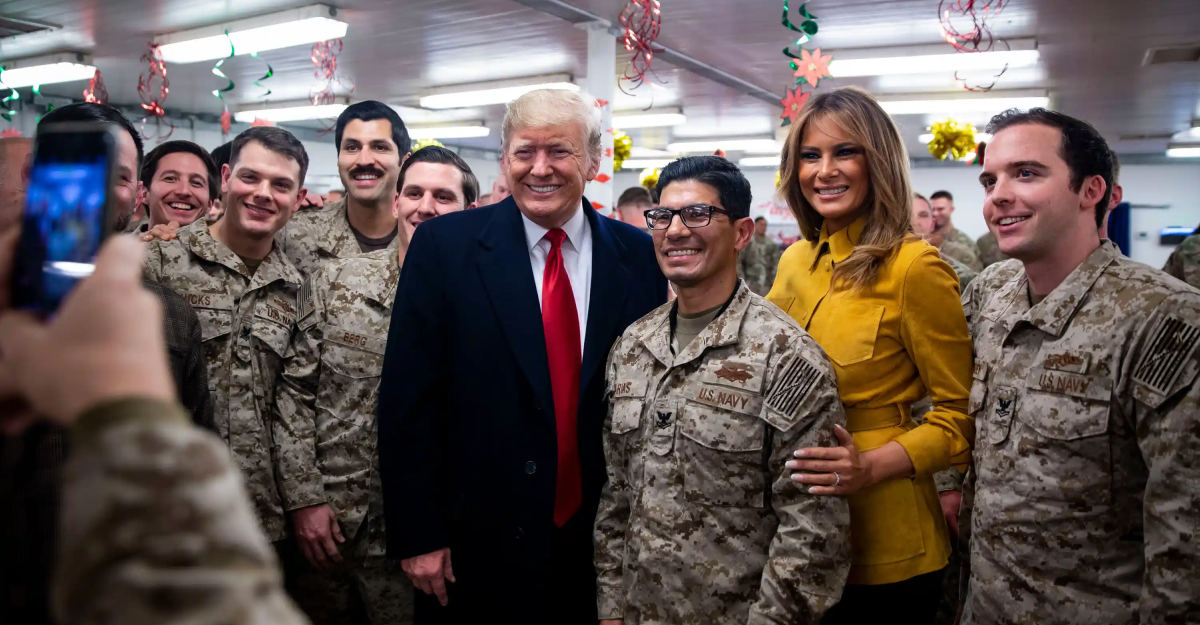
Reports that the US Military uses Anthropic AI as part of active operational planning mark a new phase in that trajectory. Generative models are no longer confined to drafting memos or summarizing intelligence. They are embedded in systems that shape battlefield tempo.
The geopolitical context makes the development particularly sensitive. Any use of AI targeting Iran carries implications well beyond technical performance. It intersects with regional deterrence, allied coordination, and escalation management. At the same time, a Pentagon AI ban directed at a leading model provider complicates the narrative, exposing tensions between political leadership and operational commanders who have come to rely on specific tools.
What emerges is not a story of machines replacing generals. It is a story about institutional dependence, procurement strategy, and the accelerating role of generative AI military systems in classified defense environments.
Story So Far
The US military has expanded the scope of artificial intelligence in its campaign planning against Iran, relying in part on Anthropic Claude military integrations inside the Pentagon’s Maven Smart System. According to officials familiar with the effort, the system processes classified inputs from satellites, signals intelligence, drone feeds, and human reporting, converting them into ranked targeting options for commanders.
In the first day of coordinated US and Israeli operations, more than 1,000 targets were struck. Defense officials attribute the speed not to a sudden change in force posture but to compressed planning cycles enabled by AI-assisted analysis. Weeks of manual data triage were condensed into hours. The phrase US Military uses Anthropic AI is less a slogan than a shorthand for a broader architectural shift inside Central Command Maven workflows.
Developed with significant input from Palantir, the Maven platform integrates large language models to synthesize disparate intelligence streams. The Claude AI warfare component does not select targets independently. Instead, it generates structured recommendations, flags anomalies, and highlights correlations that human analysts might otherwise miss under time pressure. Final strike decisions remain within the chain of command.
That distinction is central to understanding what “AI targeting Iran” means in practice. The system narrows options and prioritizes threats. Humans authorize force.
AI in Modern Warfare
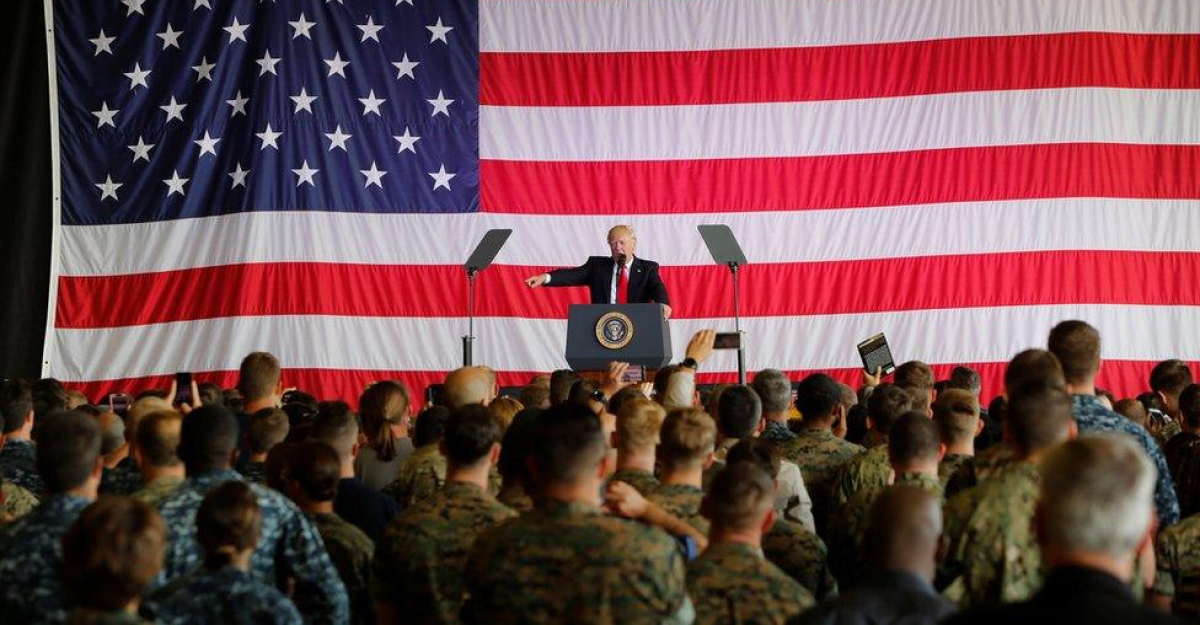
Modern military AI differs from earlier analytics platforms in both scope and flexibility. Traditional systems relied on predefined rules and pattern-matching algorithms. Generative AI military tools, by contrast, can summarize ambiguous intelligence, propose alternative courses of action, and simulate potential adversary responses in natural language.
This shift alters workflow more than authority. Analysts use generative systems to query massive classified databases conversationally. Commanders receive decision briefs drafted at machine speed. Logistics planners obtain dynamic assessments of supply vulnerabilities.
Yet the expansion raises persistent military AI ethics questions. If a model misinterprets sensor data or reflects bias in training data, the consequences are not abstract. They can affect targeting decisions. Defense officials emphasize that generative systems are layered within human review structures, but critics argue that speed itself can erode deliberation.
The Pentagon has consistently maintained that it does not field fully autonomous lethal systems without meaningful human control. Whether that definition holds as AI systems grow more capable remains a matter of debate among policy analysts.
Maven Smart System: The Backbone of AI-Driven Targeting
Maven Smart System sits at the center of the Pentagon’s AI-driven targeting enterprise. Originally launched in 2017 to automate drone footage analysis, Maven has matured into a data fusion environment used across multiple combatant commands.
The system ingests inputs from satellites, ground sensors, cyber intercepts, and human intelligence reporting. It structures that information into a common operating picture that analysts can query in real time. Central Command Maven deployments have emphasized rapid synthesis of intelligence across air, maritime, and cyber domains.
Rather than replacing legacy systems, Maven acts as a connective layer. It links databases that historically existed in silos and applies machine learning models to surface patterns. In recent years, that has included integration with large language models capable of parsing unstructured text and producing structured outputs.
How Maven Integrates Anthropic’s Claude?
Anthropic’s Claude was embedded into Maven in late 2024, according to defense officials familiar with the timeline. The integration focused on reasoning tasks: summarizing classified reporting, correlating signals intelligence with imagery, and generating prioritized target lists based on specified criteria.
In operational settings, the model contributes to real-time target prioritization by ranking potential strike options against factors such as threat proximity, mobility, and estimated collateral risk. Analysts can query the system about specific facilities or networks and receive synthesized assessments drawn from multiple intelligence streams.
Palantir Maven Claude configurations reportedly allow the language model to interact with structured databases rather than operate as a standalone chatbot. That distinction matters. The model functions as a reasoning layer on top of curated military datasets. It does not independently collect data or issue commands.
Officials describe the system as proposing options rather than directing action. Still, sources familiar with Iran planning say the AI-generated recommendations significantly accelerated campaign design. Static intelligence was transformed into actionable strike packages in compressed timelines.
| Maven + Claude Key Features | Description | Real-World Impact in Iran Campaign |
| Target Identification | Scans imagery and signals intel to detect hidden assets. | Identified 1,000+ targets in first 24 hours. |
| Prioritization Algorithm | Ranks targets by urgency using multi-factor scoring (e.g., threat proximity, mobility). | Reduced Iran’s counterstrike window from days to hours. |
| Post-Strike Evaluation | Assesses damage via follow-up imagery and adjusts plans dynamically. | Enabled iterative strikes, minimizing resource waste. |
| Logistics Tracking | Summarizes supply chain disruptions in enemy territory. | Supported sustained operations without human bottlenecks. |
Historical Evolution of Maven
Project Maven began as a response to a practical bottleneck. Analysts were overwhelmed by drone footage from Iraq and Syria. Machine vision tools were introduced to flag objects of interest, reducing the burden on human reviewers.
Over time, the program expanded beyond video analysis. By 2021, Maven was fusing dozens of data streams during complex operations such as the Afghanistan withdrawal. Senior officers have publicly described their role in integrating intelligence during crisis evacuations and allied operations.
The transition to generative AI military capabilities represents the latest phase. Instead of merely detecting objects, the system now interprets reports, drafts summaries, and constructs targeting rationales. By 2025, more than 20,000 personnel were using Maven interfaces in daily workflows, according to defense briefings.
In the Iran context, cooperation with Israel added another layer. Israeli planners reportedly built extensive target banks over years of surveillance. Whether and how Maven outputs informed those lists remains classified. What is clear is that AI-assisted fusion shortened the time between intelligence update and strike authorization.
Claude’s Proven Track Record Before Iran
Before the Iran campaign, the US Military uses Anthropic AI in a range of intelligence and operational planning contexts. Officials have described Claude as a daily-use tool for counterterrorism analysis and logistics coordination.
Anthropic positioned itself as a safety-focused AI company, emphasizing constitutional AI techniques and controlled deployment. Its entry into classified AI defense environments signaled a willingness to engage directly with national security institutions.
Pre-Iran deployments reportedly included support for analyzing extremist communications, coordinating complex logistics during sensitive operations, and synthesizing multi-source intelligence during evacuations. Planners valued the model’s ability to handle ambiguous or incomplete data and generate coherent summaries under time constraints.
| Pre-Iran Claude Deployments | Operation | Key Role |
| Counter-Terror Plots | Global intel ops | Pattern recognition in chatter data. |
| Maduro Raid | Venezuela capture | Real-time logistics and risk assessment. |
| Afghanistan Withdrawal | 2021 evac | Multi-source data fusion for safe zones. |
| Israel Support | Post-Oct. 7, 2023 | Target prioritization against Hamas. |
The accumulated experience built institutional familiarity. By the time the US Iran campaign AI architecture expanded, Claude was not an experiment. It was embedded in existing workflows.
The Trump Administration Ban: A Bitter Feud Unfolds
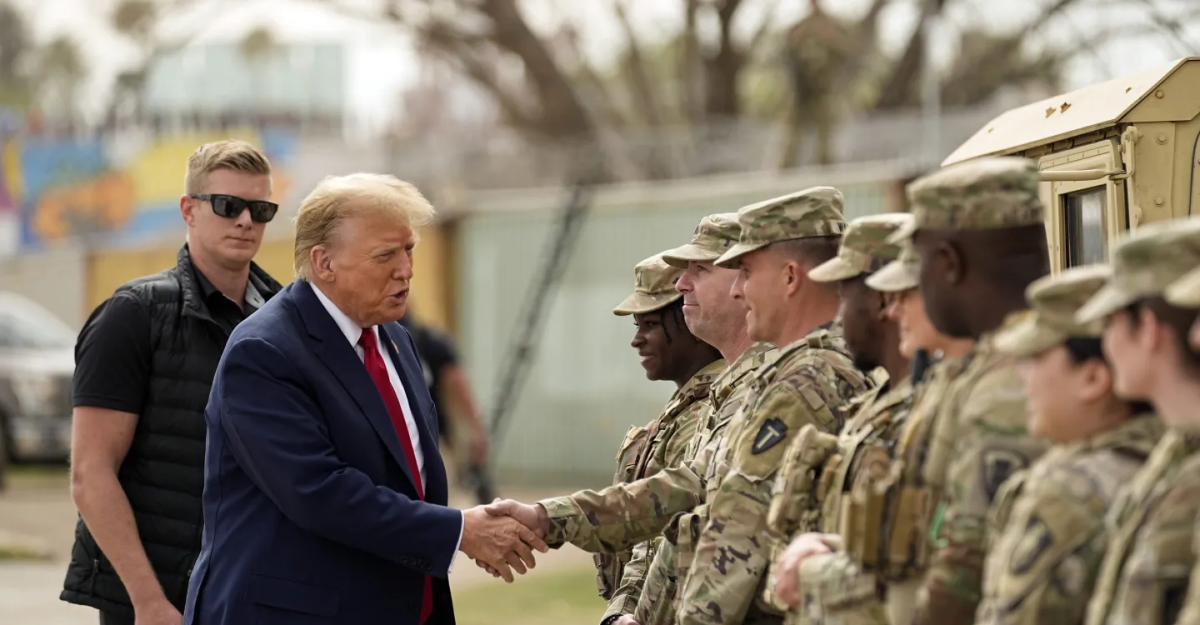
The apparent contradiction at the center of this story is the Pentagon AI ban imposed shortly before strikes began. President Donald Trump directed federal agencies to phase out Anthropic tools over six months following disputes about domestic surveillance applications and the boundaries of autonomous weapons Pentagon policy.
The Trump Anthropic feud reflected broader tensions between political oversight and operational demand. Anthropic leadership had publicly supported using AI to defend democratic states, yet resisted certain domestic surveillance proposals. The administration framed the ban as a safeguard against overreach.
Within the Defense Department, reaction was more pragmatic. Commanders who had integrated Claude into Maven workflows viewed abrupt removal as operationally disruptive. According to officials familiar with internal discussions, contingency planning began almost immediately to identify alternative models or secure exemptions.
Public statements have been limited. The Pentagon, Palantir, and Anthropic declined to comment in early reporting. What remains visible is the institutional dilemma: how to reconcile procurement policy with battlefield reliance on a specific generative model.
Expert Analysis: Speed vs. Risks in AI Warfare
Analysts who have followed autonomous weapons Pentagon debates for years describe the current moment as an inflection point. The principal advantage of generative AI in warfare is speed. Systems can process volumes of data that would overwhelm human teams and produce structured recommendations in minutes.
Supporters argue that this reduces adversary reaction windows and enhances deterrence. A smaller analytic staff can achieve outputs previously requiring thousands of personnel. In time-sensitive operations, that compression can shape strategic outcomes.
Critics focus on risk accumulation. If a model misclassifies a facility or overestimates a threat, the error can propagate quickly through a high-speed workflow. Human oversight exists, but oversight under time pressure may become procedural rather than substantive.
| AI Warfare Pros and Cons | Pros | Cons |
| Speed | Weeks to hours for 1,000 targets. | Risk of unchecked errors in high-stakes scenarios. |
| Scale | Handles vast data humans can’t. | Ethical dilemmas in autonomous decisions. |
| Adaptability | Real-time post-strike tweaks. | “AI gets it wrong”—needs human oversight. |
| Efficiency | 20-person teams replace thousands. | Dependency creates vulnerabilities if banned. |
Policy experts emphasize that the debate is not about whether AI will be used. It is about how guardrails are constructed. Clear audit trails, red-teaming, and layered human approval remain central to military AI ethics frameworks. Whether those mechanisms keep pace with technological change is uncertain.
Future of US Military AI: Competitors Step In
Anthropic’s uncertain status within federal procurement opens space for competitors. Both xAI and OpenAI have secured classified contracts in recent weeks, positioning themselves within the Pentagon’s modernization strategy. The xAI OpenAI Pentagon competition reflects a broader effort to diversify suppliers and avoid reliance on a single vendor.
From an institutional perspective, diversification reduces vulnerability to political or contractual disruption. It also intensifies competition among Silicon Valley firms seeking defense revenue. The private tech versus Pentagon power dynamic, visible since early Google protests over Project Maven, continues to evolve.
Even if the US Military uses Anthropic AI less prominently in the future, the precedent is established. Generative models are embedded in targeting architectures. They shape planning cycles and compress decision timelines. The strategic question is no longer whether AI belongs in warfare. It is how democratic governments manage its integration while preserving accountability.
In that respect, the Iran campaign may be remembered less for the specific model involved and more for the confirmation that generative AI has crossed from experimental support tool to operational infrastructure.
