
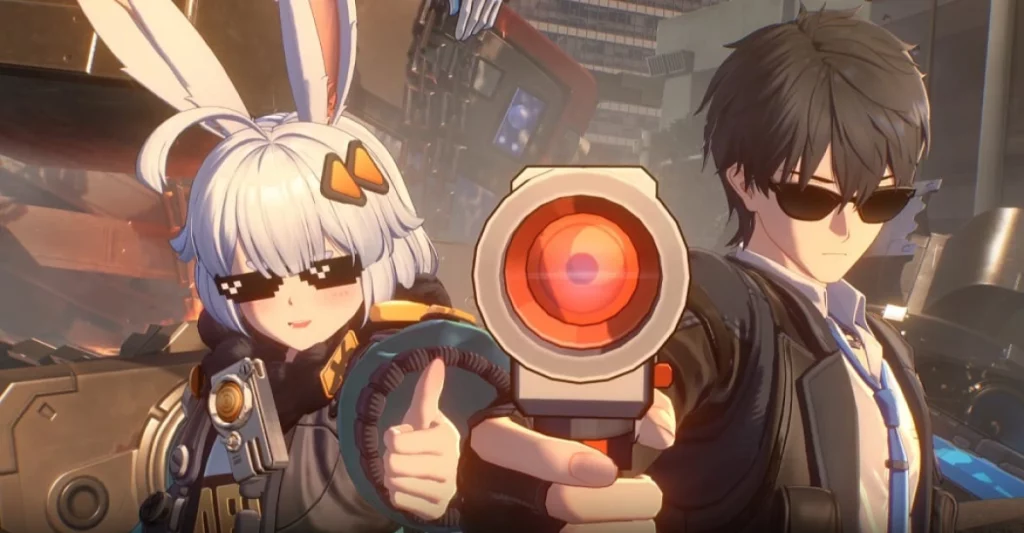
Suppose you get to live in a world where you don’t have to spend a fortune on random chance just to get your favorite character in a game.
No more heart-pounding “pulls” from virtual treasure boxes, no more disappointment when luck isn’t on your side. This is exactly what NetEase is promising with their upcoming blockbuster game, Ananta.
In a stunning move that’s sending shockwaves through the gaming industry, NetEase has confirmed that Ananta will have no character or cosmetic gacha whatsoever.
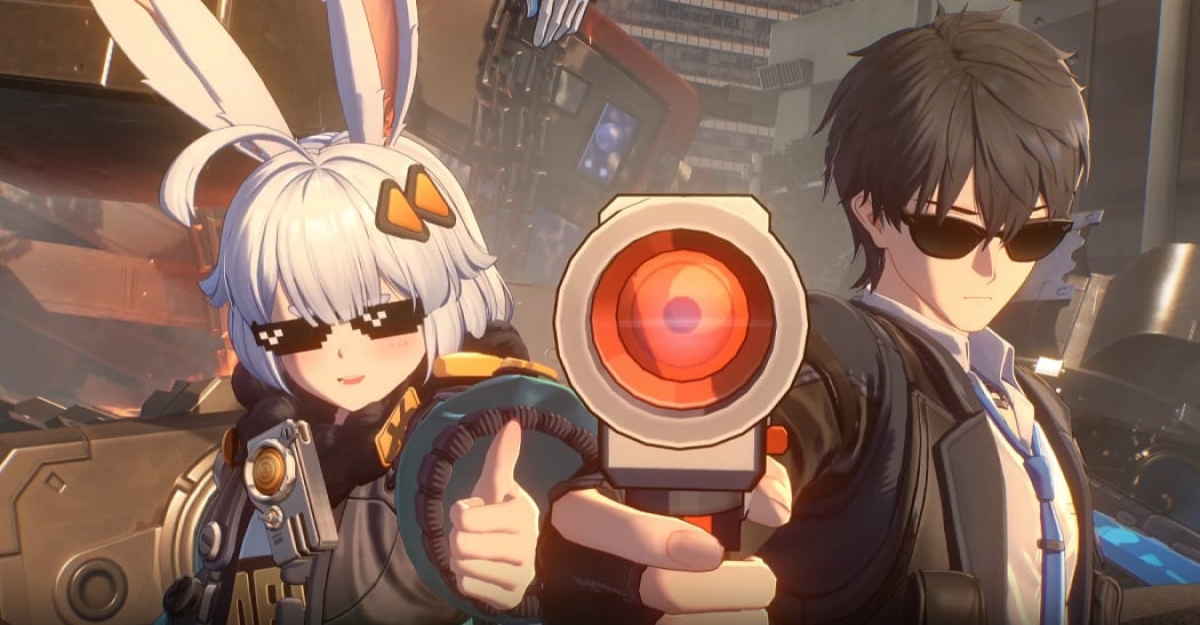
They’re taking on a billion-dollar industry trend by eliminating the very mechanic that funds most major mobile RPGs today. This brave decision for Ananta, no character or cosmetic gacha represents either a brilliant strategy or a spectacular gamble.
As you read on, you’ll find out why this move could change gaming forever—and whether it has any real chance of success!
What’s the Gacha Game Phenomenon?
Before you can appreciate how revolutionary Ananta’s approach is, you need to understand what gacha really is and why it’s so dominant in today’s gaming landscape.
Basics: What Exactly Are Gacha Mechanics?
Think back to being a kid in front of a vending machine filled with capsule toys. You insert your coins, turn the knob, and receive a random toy. That’s essentially what gacha is—but in digital form and often costing far more than pocket change.
In gaming terms, gacha mechanics work through randomized “pulls” or “draws” that give you a chance at obtaining characters, weapons, or other items of varying rarity. These virtual items are typically categorized by rarity tiers—often represented by stars—with the most desirable items having the lowest probability of appearing, sometimes as low as 0.5%.
The system is designed to trigger powerful psychological responses. The anticipation before a pull, the flash of light indicating rarity, and the occasional “win” create a dopamine-driven cycle that can be incredibly compelling—and potentially addictive.
The Incredible Revenue Power of Gacha
You might wonder why developers would ever consider moving away from such a profitable model. The financial numbers behind gacha games are quite surprising-
| Game Title | Revenue Achievement | Timeframe |
| Genshin Impact | Surpassed $1 billion | Within the first year |
| Honkai: Star Rail | Surpassed $1 billion | Within the first year |
| Monster Strike | Over $10 billion | Lifetime revenue |
| Fate/Grand Order | Over $7.7 billion | Lifetime revenue |
These astronomical figures explain why the gacha model has become the “de facto financial engine” for ambitious free-to-play RPGs. The system specifically targets what the industry calls “whales”—high-spending players who may contribute hundreds or even thousands of dollars, often during limited-time events featuring exclusive characters.
Quick Facts (So You Don’t Get Lost)
| Fact | Data / Notes |
| Developer | NetEase |
| Game | Ananta |
| Monetization stance | No character or cosmetic gacha (no character gacha; no cosmetic gacha either) |
| Team size | ~700–800 people on the project |
| Estimated comparable budgets | Genshin Impact initial dev cost: ~$100M; ongoing annual budget: ~$200M (for scale reference) |
| Gacha hits referenced | Genshin Impact, Honkai: Star Rail — both passed $1B revenue within their first year (as reported) |
| Example of cosmetics-only success | Fortnite (cosmetics + battle pass economy) |
| Download snapshot | Genshin Impact: ~10.3M downloads in Japan (Sep–Dec 2020, Sensor Tower data referenced) |
| Market context | Rising scrutiny and regulatory drafts targeting lootbox/gacha mechanics; western audiences less habituated to gacha |
NetEase’s Bold Gambit: Ananta’s Gacha-Free Vision
Now that you understand the powerful system NetEase is rejecting, let’s explore exactly what they’re proposing instead.
What Ananta Promises Players
NetEase has made a clear and unambiguous commitment: Ananta will have no character or cosmetic gacha. This means:
- You won’t need to spend premium currency on ra andom chance to obtain new characters
- You won’t face randomized loot boxes for cosmetic items either
- All paid items will be directly purchasable cosmetics like character skins, limited-time event costumes, home decorations, and even cars
This approach represents a fundamental shift in how the game relates to you, the player. Instead of leveraging the psychological triggers of random rewards, Ananta is betting that you’ll value self-expression and certainty enough to open your wallet.
The Staggering Scale of NetEase’s Risk
What makes this Ananta no character or cosmetic gacha decision so breathtaking is the enormous financial risk involved. The development team for Ananta is already 700 to 800 people strong, and the game’s production and marketing budgets are likely comparable to Genshin Impact’s reported $100 million initial development cost and $200 million annual ongoing budget.
Genshin Impact could justify that massive investment through the incredible revenue potential of its gacha system. NetEase is betting that its alternative approach can not only recoup a similar investment but actually compete financially with gacha-driven rivals.
Why Abandon a Billion-Dollar Formula?
You’re probably thinking: why would any company walk away from such a proven money-making machine? NetEase’s decision appears to be a calculated response to several converging factors.
Market Saturation and Player Fatigue
The mobile RPG landscape has become increasingly crowded with what the gaming community now calls “Genshin-killers”—games attempting to replicate miHoYo’s success by cloning its mechanics, production value, and business model.
For you as a player, this has likely led to a sense of déjà vu—another beautiful anime-style world, another gacha system demanding your money and attention. By explicitly rejecting this model, Ananta immediately creates a powerful point of differentiation in a saturated market.
Many players have developed a love/hate relationship with gacha mechanics. You might appreciate the thrill of the pull while resenting the financial pressure and randomness. NetEase seems to be betting that this underlying resentment represents a market opportunity.
Regulatory Pressure and Future-Proofing
Around the world, governments are taking a closer look at gacha mechanics and their similarities to gambling-
| Country | Regulatory Action | Imact |
| Japan | Banned “kompu gacha” (complete gacha) | Made specific gacha type illegal |
| China | Proposed spending limits & probability disclosure | Required transparency and restrictions |
| Belgium & Netherlands | Classified some loot boxes as gambling | Implemented fines and sales bans |
While comprehensive gacha regulation isn’t yet universal, the trend is clear. By moving to a transparent, direct-purchase model now, NetEase may be future-proofing Ananta against potential regulatory changes down the road.
Capturing a Broader Global Audience
Perhaps the most compelling reason behind the Ananta no character or cosmetic gacha strategy involves audience expansion. While gacha mechanics are widely accepted in many Asian markets, they’ve never gained massive traction with the broader Western player base.
NetEase’s calculation appears to be that the revenue lost from not targeting “whales” with a gacha system could be more than compensated by attracting a vastly larger, more globally distributed player base. These players would engage in smaller, more consistent transactions over a longer period.
Think about it: if you’ve been hesitant to try gacha games because of their business model, Ananta might finally offer the high-production RPG experience you’ve wanted without the elements that made you uncomfortable.
The Three Make-or-Break Challenges for Ananta
Success is plausible but far from guaranteed. For Ananta to compete financially with gacha-driven giants, several critical factors must align in its favor.
Making Cosmetics as Desirable as Characters
In gacha games like Genshin Impact, new character releases are major events that drive massive player spending. These characters combine gameplay utility (new abilities) with character fantasy.
Since Ananta’s cosmetics won’t have gameplay utility (and rightly so, to avoid pay-to-win dynamics), the game must make them incredibly desirable on fantasy and self-expression alone. The psychological shift here moves your motivation from external validation (showing off to other players) to internal satisfaction (curating your hero as a form of personal expression).
This approach has proven successful in PC and console AAA single-player titles, but it remains largely uncharted territory for mobile free-to-play RPGs. The question remains: can revenue from self-expression match the dopamine-driven revenue peaks of character gacha banners?
Achieving Massive Player Scale
A cosmetics-only economy lives or dies by the size of its player base. This model is directly proportional to audience size—a small percentage of a massive audience spending on cosmetics can generate enormous revenue, as demonstrated by Fortnite.
This presents a significant challenge because traditionally, even wildly successful Asian RPGs haven’t achieved the colossal player counts of Western breakout hits. To illustrate, during Genshin Impact’s launch months (September-December 2020), it garnered approximately 10.3 million downloads in Japan alone, representing about 20% of the entire “Action and Strategy” category’s download volume during that period.
NetEase is essentially betting that Ananta can massively multiply the typical Asian market adoption for this genre. They need to attract not just existing RPG fans, but players who have previously avoided the genre due to gacha mechanics.
A social stage to show your cosmetics (multiplayer matters)
Even with a focus on internal satisfaction, a cosmetics-focused economy thrives when you have a stage to display your uniqueness. A robust multiplayer mode provides this essential social endgame, creating a powerful feedback loop of external validation that drives sustained cosmetic sales long after you’ve completed the main story.
This makes NetEase’s current public stance on multiplayer particularly concerning. With developers stating they’re merely “considering it,” a polished multiplayer experience appears to be a long way off. A game’s launch window represents its moment of peak hype and player attention. Introducing multiplayer a year or more later could prove to be a critical strategic error, as initial momentum may have faded and a portion of the player base may have moved on.
What Ananta’s Success Could Mean for Your Gaming Future?

The outcome of NetEase’s experiment with Ananta no character or cosmetic gacha could reshape the entire landscape of mobile and cross-platform RPGs.
If Ananta—and perhaps other games like Duet Night Abyss, which has also announced its removal of gacha—succeeds, it would serve as powerful proof that massive financial success in the AAA live-service RPG space isn’t inextricably linked to gacha monetization.
For you as a player, this could mean:
- More games that respect your time and budget
- Less manipulation through psychological triggers
- Greater transparency in what you’re purchasing
- A healthier relationship between your gaming enjoyment and your spending
From an industry perspective, success for Ananta would create a major crack in the gacha-based monetization stronghold, potentially encouraging other developers to explore alternative models.
Risks NetEase faces (for you as a player and as an observer)
If you like the idea of fewer predatory practices, you’ll smile at the transparency. But the business risk is real:
- Revenue shortfalls. Without whales chasing new characters, total income could be lower. That affects update cadence and polish.
- User acquisition pressure. The game must reach more players to earn as much per-month revenue as gacha-driven rivals.
- Timing and multiplayer. Launching single-player first and shipping multiplayer later could kill the cosmetic economy’s momentum.
- Perception trap. Some players assume “no gacha” equals a more expensive pay model or hidden monetization. NetEase will need to earn your trust.
Possible upsides — why you should also be hopeful
You might be skeptical, but there are real, player-friendly benefits to a gacha-free model:
- Clear value. You know what you pay for. No surprise losses.
- Less pressure. No psychological tactics nudging you to chase the next banner.
- Better long-term play experience. If NetEase funds the game through steady purchases and battle passes, design decisions can focus on fun rather than pushing spending habits.
- Industry shift. If a $100M+ title succeeds without gacha, other studios might follow, which benefits players across the board.
What must NetEase prove to make you care?
If you’re going to spend time with Ananta, you’ll want to see three things early:
- Deep, meaningful cosmetics. Not just recolors. Skins need personality, animation, and reasons to collect.
- A social space to show off. Multiplayer or persistent hubs where your vanity matters.
- Transparent day-one monetization. A clear store, fair price points, and a battle pass that gives real rewards.
If you get those, you may happily spend on the game without feeling manipulated.
Gacha vs No Gacha Model
| Feature | Gacha Model (e.g., Genshin / Honkai) | Ananta (as announced) |
| Monetization Core | Character & cosmetic gacha (randomized pulls) | No character or cosmetic gacha — all purchases direct and transparent |
| Revenue Pattern | Major spikes from new character banners; whales drive the bulk of revenue | Steady flow from direct cosmetic sales, battle passes, and expansions |
| Player Transparency | Low — random chance determines outcomes | High — fixed prices and clear rewards |
| Regulatory Risk | High — lootbox/gacha models face increasing scrutiny | Low — no gambling-like systems; fully compliant with emerging rules |
| Social Engagement | Driven by new character releases and banner hype | Driven by cosmetic expression and social/multiplayer display |
| Gameplay Incentive to Spend | Unlocks new abilities and gameplay advantages | Focus on personal style and self-expression; optional battle pass progression |
| Revenue Dependence | Heavily reliant on high-spending “whales” | Broader, smaller transactions across larger player base |
| Player Perception | Often criticized as predatory or addictive | Viewed as ethical, fair, and transparent monetization |
A realistic timeline for success (what you should watch)
If you’re following Ananta, keep an eye on these moments:
- Launch week retention. Can NetEase convert hype into a large active user base?
- Monetization mix at launch. Is there a robust battle pass? Are cosmetics high-quality and varied?
- Multiplayer roadmap. Are multiplayer features planned near launch or years later?
- Marketing and localization push. Is NetEase targeting both East and West aggressively?
Those answers will tell you whether NetEase is running a careful experiment or a gamble.
Final thoughts — what this could mean for you and the wider market
You should care about Ananta no character or cosmetic gacha because it tests a big idea: can honesty and good design replace the dopamine spikes of randomized systems? If NetEase pulls it off, you get a game where spending feels fairer and more intentional. Developers then have a real example to point to when they want to avoid gambling-like systems.
If it fails, the lesson will be that free-to-play economies still need either whales or an enormous active base, and that cosmetic desire alone rarely reaches the peaks of character gacha. That failure wouldn’t be the end of the world — it would simply confirm how entrenched gacha has become.
Either way, for you, the player, the news is a net win. The industry is trying a new course, and that gives you a choice. You can back the experiment by trying the game, offering clear feedback, and supporting fair monetization that still rewards great design.
FAQs
Q: Will Ananta sell characters directly?
A: NetEase has said it will not use character gacha. They haven’t fully detailed whether characters will be sold outright, unlocked by play, or given as rewards — stay tuned.
Q: Are cosmetics truly not randomized?
A: The announcement made it clear: Ananta no character or cosmetic gacha — cosmetics won’t be sold via gacha.
Q: Is this safer for kids?
A: A transparent store and no lootbox mechanics reduce gambling-like exposure, which is generally safer for younger players.
Q: Will this change other games?
A: If Ananta succeeds financially, other studios may feel more confident ditching gacha. That could slowly reshape F2P monetization.
Note: We have also explained the following articles-
- The Success Story of GamesKraft: India’s Gaming Ambition.
- Is Krafton’s Big Franchise IP Strategy a Genius Move or a Billion-Dollar Gamble ($771M)?
Go through them for detailed information. Thanks for reading!
