
It’s the month of June, famous for World Environment Day, and you’re about to pick up your new electric car. You’ve waited months. The paperwork is done. You’re excited—and then suddenly, your delivery gets postponed.
Why?
A shortage of magnets.
Yes, magnets. Not something you’d expect to halt the global car industry. But that’s exactly what’s happening right now, thanks to China’s rare earth magnets ban—a geopolitical move with consequences that stretch from Beijing to Berlin to your local dealership.
So why are these magnets so important? How do they work in your car? And why did a single policy decision in China throw the entire automotive world into chaos?
You’ll find all the answers in this article!
What Are Rare Earth Magnets—and Why Should You Care?
Let’s start at the beginning. Rare earth magnets are ultra-powerful, long-lasting magnets made from elements like neodymium, dysprosium, praseodymium, and samarium—members of the “rare earth” family of metals.
They’re called “rare” not because they’re scarce, but because they’re difficult to extract and process. That’s where China comes in—it dominates over 80% of global production and refinement of these magnets.
And these magnets? They’re everywhere in modern vehicles.
How Rare Earth Magnets Work in a Car?
You might not see them, but rare earth magnets are the hidden force that powers modern driving.
Here’s how they help:-
1. Electric Motors
In electric and hybrid vehicles, magnets are the beating heart. Picture a spinning fan. The rotor (which spins) and the stator (which stays still) need to interact. Rare earth magnets are embedded in the rotor. When electricity is sent to the stator, it creates a magnetic field that pushes and pulls the rotor—making your car move forward.
Without rare earth magnets, an EV wouldn’t be much more than a fancy battery.
2. Power Steering
When you turn your steering wheel and the car responds smoothly? That’s the magnet-powered motor doing its job. It assists your motion, using magnetic fields to reduce effort and improve control.
3. Regenerative Braking
In many EVs and hybrids, pressing the brake pedal doesn’t just stop the car—it also recharges the battery. Rare earth magnets allow the motor to work in reverse, converting motion back into electricity.
4. Other Parts
Even basic things like seat adjustments, side mirror motors, infotainment speakers, and cooling fans depend on these magnets.
In short, rare earth magnets are the secret sauce that turns electricity into motion and comfort.
What Is the Rare Earth Magnets Ban?
On April 4, 2025, China added seven rare earth materials to its export control list—including those used in magnets. As of June 1, companies now need special government approval to export them.
This wasn’t just a formality. Approvals are slow, selective, and tied to politics.
Why did China do this?
- Official reason: National security concerns, especially with how magnets are used in military tech.
- Unofficially? It’s a counterpunch in an ongoing trade war with the U.S. and EU, who have restricted China’s access to AI chips and advanced semiconductors.
So China pulled out a strong card: its grip on rare earth magnets—a move that could stall entire industries.
Global Shockwaves in Auto Manufacturing
The ban caused instant panic in boardrooms worldwide.
Here’s what happened-
- India: Suzuki shut down Swift production due to a magnet shortage.
- U.S.: Ford halted Explorer SUV production at its Chicago plant.
- Europe: Volkswagen and Renault reported part delays and mounting backlogs.
- Japan: Toyota and Honda scrambled to reroute their supply chains.
Let me summarize the events in the following table-
| Automaker | Region | Impact | Timeline |
| Suzuki | Japan | Swift halted (except Sport) | May 26 – mid-June |
| Ford | USA | Swift halted (except Sport) | Early June |
| Volkswagen, Renault | Europe | Part shortages | Ongoing |
| General Motors, Tesla | USA | Warned of further delays | June onwards |
It’s not just a hiccup. It’s a major disruption that’s expected to ripple through the industry for months.
Why This Shortage Hit So Hard?
1. China Controls the Whole Chain
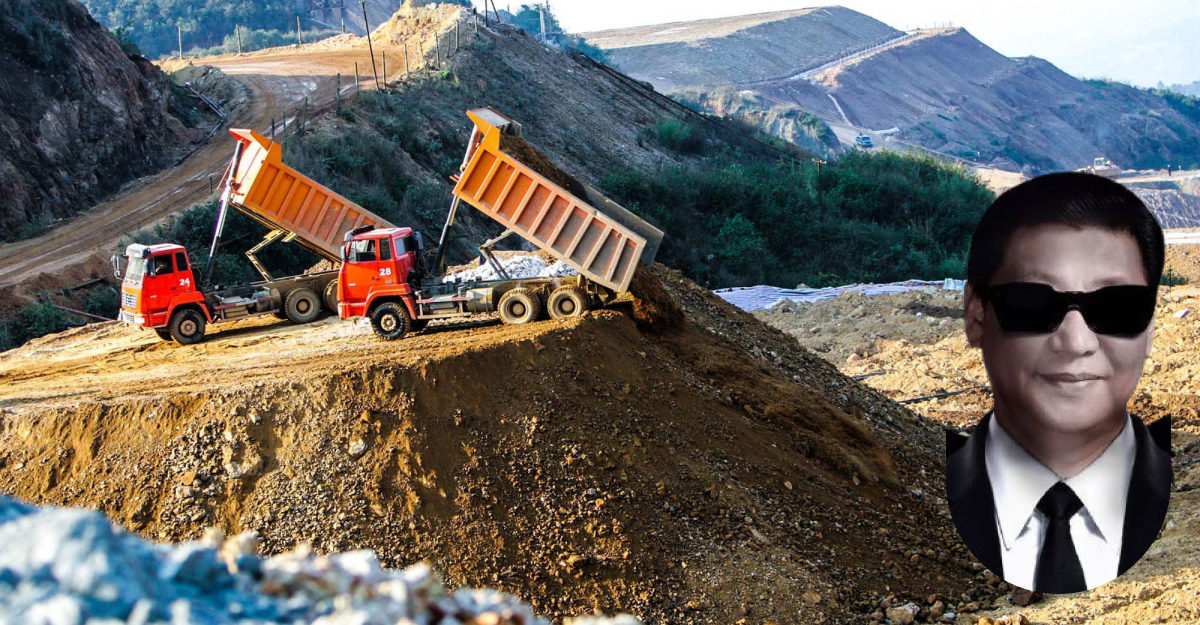
It’s not just about mining. China dominates refining, processing, and magnet-making. Other countries have raw materials, but no infrastructure to process them at scale.
2. No Backup Plan
Alternative producers like Lynas (Australia) or MP Materials (U.S.) exist—but they’re small, and ramping up takes years, not weeks.
3. License Bottlenecks
Only a handful of Chinese firms have export licenses right now. That means months-long waiting lists, and bare shelves for automakers.
EVs Are the Worst Hit
Electric vehicles (EVs) use up to 5 times more rare earth magnets than gas cars.
| Vehicle Type | Avg. Rare Earth Magnet Use |
| Gasoline Car | ~500 grams |
| Hybrid | ~1–2 kg |
| Full Electric (EV) | ~2–5 kg |
So if you’re waiting on a new EV, brace yourself: delays, price hikes, and model shortages are already rolling in.
How Governments Are Reacting And Trying to Fix It?
This is more than just an industry headache. It’s a geopolitical wake-up call.
- China: To ease tensions, it began fast-tracking licenses for US automaker suppliers, issuing six-month permits.
- US: Garnered evidence of trade truce clause breaches and cancelled certain tech exports to China.
- EU: Established a “green channel”—potential fast-track for European firms.
- India: Lobbying Beijing for imports, but reportedly facing 2+ rejections already. India’s Govt is urged to ramp up domestic capacity or diversify supply chains.
Can the World Survive Without China?
The short answer? Not yet.
Here’s why:
- China controls 60% of global rare earth mining and 90% of refining.
- Alternatives like Australia, the U.S., and even India are trying to ramp up—but it’s not quick.
- Setting up a rare earth supply chain takes 5–10 years, millions of dollars, and lots of patience.
For now, automakers are stuck between a rock and a hard magnet.
What Can Automakers Do?
It’s panic time for car manufacturers, but also a chance to innovate.
Some companies are exploring:
- Magnet-free electric motors (like Tesla’s induction motor, used in earlier models)
- Recycling rare earths from old electronics
- Partnering with non-Chinese suppliers (like Australia’s Lynas Corporation)
Here’s a comparison table-
| Solution | Pros | Cons |
| Magnet-free motors | Less dependency | Lower efficiency |
| Rare earth recycling | Eco-friendly | Still in early stages |
| Alternative suppliers | Reduces China reliance | Expensive and limited supply |
But these are long-term plays. In the short run, expect costlier EVs, production delays, and frustrated consumers.
Bigger Picture: Why does this matter beyond Cars?
This is not just about cars—it’s about global strategy:-
- EV Revolution: Demand for clean energy is exploding. Yet, rare earth magnets are critical for high-efficiency electric motors. If you stall supply, you stall climate progress.
- Defense Tech: Magnets are used in fighter jet actuators and precision sensors. A chokehold can mean a military edge.
- Global Trade: China is clearly turning this into a bargaining chip, and nations are scrambling to avoid long-term dependency.
India’s Golden Opportunity?
India may be hurting, but the rare earth magnets ban could be a wake-up call—and a golden opportunity.
India has rich deposits of rare earths in Andhra Pradesh and Odisha. The problem? We haven’t tapped into them seriously.
Now, the government and private players are:
- Pushing to start domestic mining
- Exploring magnet manufacturing
- Partnering with countries like Australia and Japan
If India plays its cards right, it could reduce its import bill and become a supplier in the long run.
The Road Ahead: What’s Next for the Auto Industry?
This isn’t a temporary speed bump. It’s a red light flashing at the heart of the auto industry.
Expect to see:
- Rising EV prices in the short term
- Innovation in motor designs to reduce magnet use
- More strategic stockpiling of rare earths
- Trade alliances and supply chain restructuring
Just like the oil crises shaped the auto industry in the past, the Rare earth magnets ban is likely to push us into a new era of materials awareness.
Note: Do you know that BluSmart, popularly known as EV cab service, shut down? Here is the article on BluSmart shutdown for detailed information.
Final Thoughts: What It Means for You?
If you’re a consumer waiting for an EV—or already own one—you might not feel the burn immediately. But over time, you’ll notice:
- Delayed vehicle deliveries
- Higher price tags
- Limited model availability
In a world racing toward electric mobility and clean energy, it’s easy to forget that something as small as a magnet can stop everything cold.
The Rare earth magnets ban reminds us of one powerful truth: sometimes, the smallest parts make the biggest difference!
