
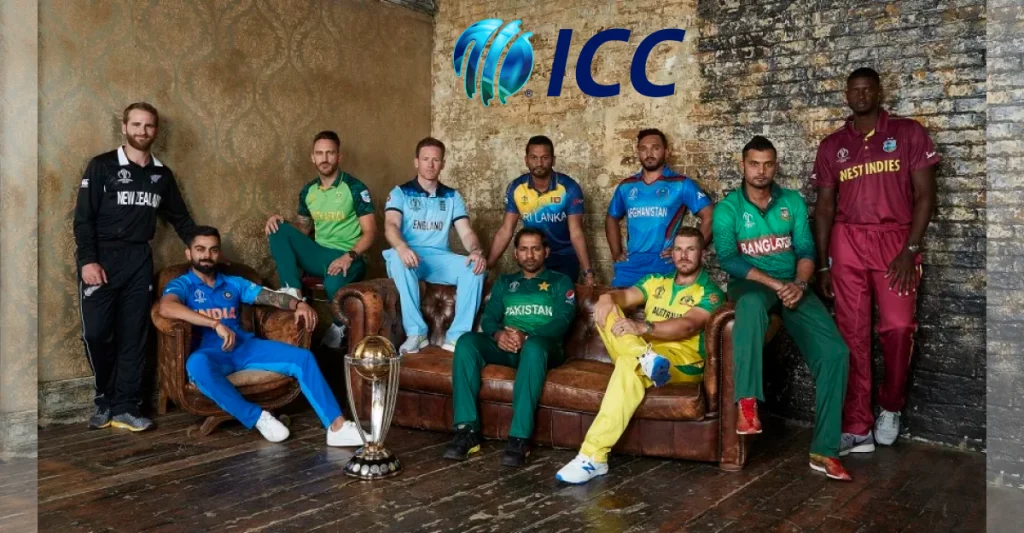
If you’re even a little bit into cricket, you’ve definitely heard of the ICC — the International Cricket Council. It’s the body that runs the biggest cricket tournaments in the world, but have you ever wondered how the ICC actually works?
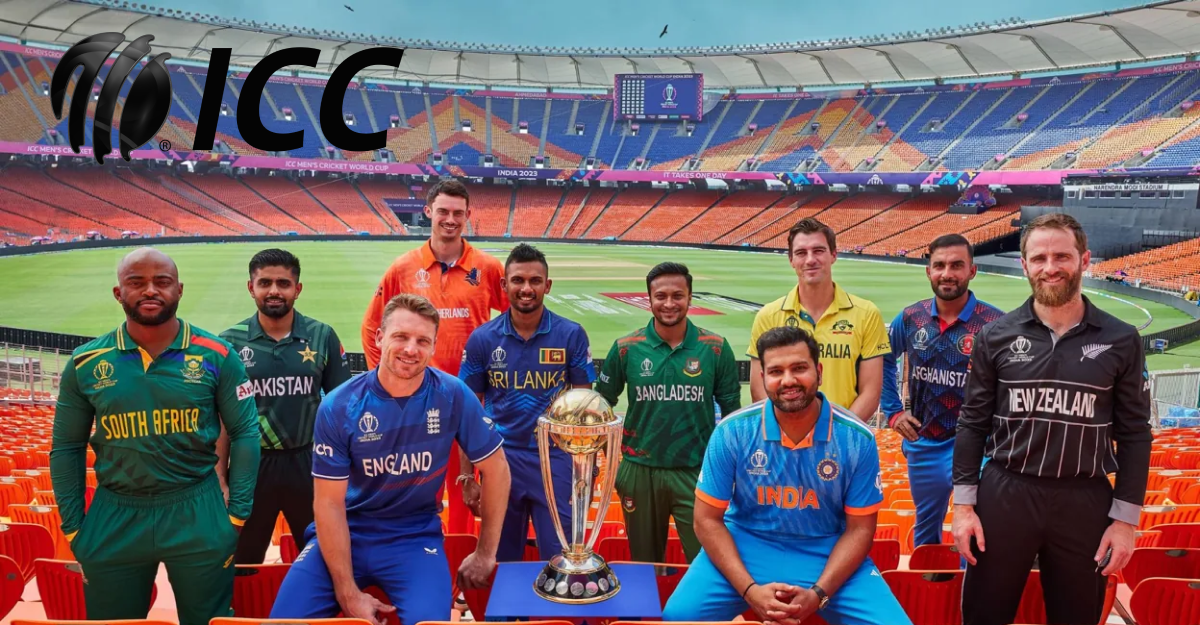
How does it make money?
Who decides which country gets to host the World Cup?
And why does India’s cricket board (BCCI) get the lion’s share of the profits?
Well, you’re in the right place. Let’s break down the ICC business model so you can truly understand how this cricketing giant runs the game like clockwork.
Profile Overview: Who Really is the ICC?
Let’s start with the basics.
| Particulars | ICC (International Cricket Council) |
| Formed | 15 June 1909 (originally as Imperial Cricket Conference) |
| Headquarters | London, UK (1909–2005), Dubai, UAE (2005–present) |
| Members | 108 (12 Full, 96 Associate) |
| Chairman | Jay Shah (2024–Present) |
| Key Events | Cricket World Cup, T20 World Cup, World Test Championship |
| Official Language | English |
The ICC began over a century ago and has evolved into a powerhouse that governs international cricket. From setting rules to organizing billion-dollar tournaments, the ICC’s influence is felt everywhere in the cricketing world.
Working Strategy: How ICC Works?
Think of the ICC as the CEO of global cricket. It plans, organizes, protects, and promotes the game. But how exactly does it do that?
Governance Structure
The ICC is made up of 108 members-
- 12 Full Members (countries like India, Australia, England — they play Test cricket).
- 96 Associate Members (countries where cricket is still growing, like the USA, Nepal, or Germany).
Here’s how decisions are made:-
- ICC Board: The top decision-making body.
- Chief Executives’ Committee: Handles operational stuff.
- Special Committees: Focus on finances, rules, or player development.
All this is coordinated from the ICC’s headquarters in Dubai, UAE.
Core Responsibilities
The ICC has a full plate:-
- Global Events: Runs the World Cups (ODI, T20, and Tests).
- Standardization: Sets the rules and appoints match officials.
- Development: Grows cricket in emerging countries.
- Integrity: Fights corruption and ensures fair play.
Strategic Pillars: Strengthen, Grow, Protect
These are the guiding lights of the ICC business model:-
| Pillar | What it means? |
| Strenghten | Support existing teams, boost women’s cricket, and maintain quality |
| Grow | Take cricket to new places — think USA, Olympics, and youth programs |
| Protect | Keep the game clean, honest, and safe from corruption |
The ICC also relies heavily on digital transformation to connect with fans, especially through platforms like ICC.tv and social media.
Revenue Sources & Financials: How ICC Makes Money?
Now let’s talk business — the heart of the ICC business model. The ICC is not just about cricket; it’s also about commerce. Here’s where the dollars roll in from.
Major ICC Events
The big tournaments are goldmines. The 2023 Men’s ODI World Cup alone brought in $719 million, smashing all previous records. These events are watched by billions, making them a hot ticket for advertisers and broadcasters.
Media & Broadcasting Rights
The crown jewel. The ICC sells the rights to stream or broadcast matches globally. Media and broadcasting rights accounted for over US$1.6 billion between 2007 and 2015, and this figure has grown substantially with recent deals
For example: Disney Star paid $3 billion just for Indian broadcast rights for 2024–2027.
That’s more than the GDP of some small countries!
Sponsorships
Big brands love associating with the ICC. It has over 20 major sponsors and commercial partners. Think MasterCard, IndusInd Bank, and more. Sponsorships brought in $120–150 million in 2023 alone.
Investment Income
The ICC invests some of its surplus funds. It’s not their biggest earner, but every drop counts.
Merchandise & Ticket Sales
Fans buy jerseys, memorabilia, and tickets, especially for the World Cups. This adds another revenue stream to the mix.
Revenue Breakdown: Year 2025 Estimates
| Revenue Sources | Amount |
| Total Net Worth (2025) | $3–4 billion |
| Annual Income | $600 million |
| TV & Digital Rights | $3 billion (2024–2027, Disney Star) |
| Event Revenue (2023 WC) | $719 million |
| Sponsorships (2023) | $120–150 million |
| BCCI’s Share (2024–27) | $230 million/year (38.5% of revenue) |
Revenue Distribution
Not all members get an equal slice of the pie!
| Country | Annual Share | Percentage of Total |
| India (BCCI) | $230 million | 38.5% |
| England (ECB) | $41.33 million | 6.89% |
| Australia (CA) | $37.53 million | 6.25% |
| Associate Members | $67.5 million total | Smaller share |
The lion’s share goes to the BCCI due to India’s massive viewership and cricket economy.
Marketing Strategies: How the ICC became a global brand?
Let’s face it — the ICC isn’t just managing cricket; it’s selling cricket to the world. And they’re doing it well. The ICC business model shines here too.
| Strategy Area | Key Actions |
| Global Expansion | Entering USA, targeting Olympics |
| Youth Engagement | T20 format, mobile games, social media |
| Women’s Cricket | Bigger investment, more visibility |
| Direct Fan Channels | ICC.tv, digital platforms, interactive content |
| Partnerships | Agencies like rEvolution for expert campaigns |
Now, let’s go into the details-
Strategic Global Growth
They aim to-
- Strengthen women’s cricket.
- Grow into new markets (USA, Olympics).
- Protect the spirit of the game.
They’re targeting 300 million direct fan relationships by 2032. That’s bold!
Blockbuster Events
The ICC turns every tournament into a global festival. Remember India’s win in the 2007 T20 World Cup?
That alone turned millions of casual fans into diehards. The T20 format brought in younger fans, more TV ratings, and bigger bucks.
Digital Transformation
With ICC.tv, mobile games, and social media, they’re reaching fans where they live — online.
They’re not just selling cricket — they’re creating a lifestyle around it.
Entering New Markets
The USA is a hot target. Hosting the 2024 Men’s T20 World Cup partly in America is a big leap. They’re also eyeing the Olympics — a move that could add 50 million new fans and boost women’s cricket.
Professional Marketing Agencies
The ICC has hired top global firms (like rEvolution) to run slick marketing campaigns. These agencies handle everything from ad design to fan engagement worldwide.
Ground-Level Fan Engagement
Stadium branding, fan zones, trophy tours — the ICC brings the party to the people. Remember the 2011 World Cup in India? That buzz wasn’t accidental — it was carefully crafted.
Note: We have also covered the BCCI business model. Go through the article for more details. If you want a comparison between ICC and BCCI, then write it in the comment section!
Conclusion of the ICC Business Model
So now you know — the ICC business model isn’t just about bat and ball. It’s about strategy, numbers, innovation, and vision.
They’ve turned cricket into a global product — with fans from Mumbai to Miami and sponsors from Sydney to San Francisco.
From selling billion-dollar broadcast rights to growing the game in the USA, the ICC is playing a long innings — and it’s only getting started.
They’ve hit a six on every front: finance, marketing, governance, and growth.
So next time you watch a World Cup final, just remember — behind every six, wicket, and catch, there’s a well-oiled machine running the show.
And that is the ICC business model at its finest!
