

The Maha Kumbh Mela is not just a spiritual and cultural extravaganza; it’s also an economic powerhouse. Scheduled from 13th January 2025 to 26th February 2025, this iconic event promises to attract a staggering 400 million devotees, with an estimated financial impact of over ₹2.5 lakh crore.

Let’s uncover how the Maha Kumbh Mela business drives growth across sectors, boosts local economies, and strengthens India’s position globally!
What is the Maha Kumbh Mela?
The Maha Kumbh Mela is one of the largest religious gatherings in the world, held every 12 years. It rotates between four locations, based on the celestial alignment of Jupiter, the Sun, and the Moon. The four locations are-
- Prayagraj
- Haridwar
- Ujjain
- Nashik
Rooted in Hindu mythology, this event symbolizes spiritual purification. But behind its devotional aura lies a dynamic economic phenomenon.
The Economic Scale of Maha Kumbh Mela 2025
The Maha Kumbh Mela business operates on an unimaginable scale. Here’s what makes it an economic marvel-
| Aspect | 2013 (Puru Kumbh) | 2019 (Ardh Kumbh) | 2025 (Maha Kumbh) |
| Tourist Arrival (Cr) | 8 | 24 | 40-45 |
| Budget Allocation (₹Cr) | 1,300 | 3,700 | 6,400 |
| Financial Transactions (₹Cr) | 12,000 | 1,20,000 | 2,50,000 |
| % of India’s GDP | 0.12% | 0.63% | 0.77% |
The Maha Kumbh’s projected spending of ₹2.5 lakh crore could contribute around 0.8% to India’s GDP, making it a critical economic engine.
How does the Maha Kumbh Mela Business impact different sectors?

Here are some major economic impacts of Kumbh Mela 2025-
Tourism & Hospitality
With over 1 million international visitors, the tourism sector stands to gain immensely. The government is investing around ₹5,000 crore to improve infrastructure, including roads, railways, and airports. These upgrades are expected to generate ₹40,000 crore in revenues. Hotels, homestays, and travel agencies will witness skyrocketing demand.
The rent of luxury tents per night is between ₹18,000 to ₹20,000. The premium ones are priced at ₹1 lakh per night. Guess what? All of the 44 super-luxury tents located at Sangam Nivas are already sold out!
The dorms are charging ₹1,500 to ₹35,000 per night.
Retail and Consumer Goods
The sheer volume of visitors creates an unprecedented demand for daily necessities. Categories like groceries, milk products, and edible oils are expected to generate a turnover of ₹20,000 crore. This is a golden opportunity for retailers to capitalize on high-volume sales.
Religious and Handicraft Items
Devotional gatherings naturally boost the sale of religious items, souvenirs, and handicrafts, generating revenue of ₹25,000 crore. Artisans, especially those from rural India, find a global platform for their products, further supporting local economies.
Transportation
Transportation services, including buses, trains, and taxis, will generate revenues of around ₹10,000 crore. This year’s unique addition is helicopter rides, allowing visitors an aerial view of the event. With tickets priced at ₹5,000, these services are projected to earn over ₹157 crore during the 45-day event.
Infrastructure Development
The ₹6,400 crore allocated for infrastructure will fund temporary shelters, sanitation facilities, and security measures, creating jobs and strengthening the region’s long-term development.
Comparison with Other Festivals
The Maha Kumbh Mela’s economic impact is second only to mega-events like weddings and Diwali in India-
| Festival/Event | Economic Impact (₹ Lakh Crore) |
| Diwali | 4.2 |
| Wedding Season | 4.2 |
| Maha Kumbh Mela | 2.5 |
| Holi | 0.5 |
| Rakhi | 0.5 |
| Ganesh Chaturthi | 0.25 |
This comparison highlights the Maha Kumbh Mela business as a close competitor to India’s most significant economic events.
Key Drivers Behind the Maha Kumbh Mela Business
- Spiritual Tourism: India’s reputation as a spiritual hub draws millions of international visitors. The Maha Kumbh Mela is the epitome of spiritual tourism, providing a direct boost to foreign exchange reserves.
- Employment Opportunities: From construction workers to food vendors, the event creates employment for lakhs of individuals. Temporary jobs in logistics, catering, and security services ensure that people from all walks of life benefit economically.
- Regional Development: States hosting the Maha Kumbh Mela receive massive investments for infrastructure upgrades. These investments lead to long-term benefits like improved transportation and enhanced urban facilities.
Unique Highlights of Maha Kumbh Mela 2025
- Helicopter Rides: A thrilling way to experience the grandeur, generating ₹3.5 crore daily revenue.
- Eco-Friendly Measures: The government plans to use biodegradable materials and solar-powered facilities to ensure sustainable development.
- Tech Integration: Apps for navigation, virtual tours, and real-time updates are expected to enhance the visitor experience.
Insights for Investors
The Maha Kumbh Mela business presents an excellent opportunity for investors across multiple industries. FMCG, infrastructure, and tourism sectors are poised for exponential growth. Even small businesses can benefit by supplying essentials, food, or services.
Why does the Maha Kumbh Mela business matter?
The Maha Kumbh Mela is not just a spiritual event; it’s a symbol of India’s cultural richness and economic resilience. With Rs.2.5 lakh crore in spending, it supports millions of livelihoods, boosts GDP, and leaves a lasting impact on the host state.
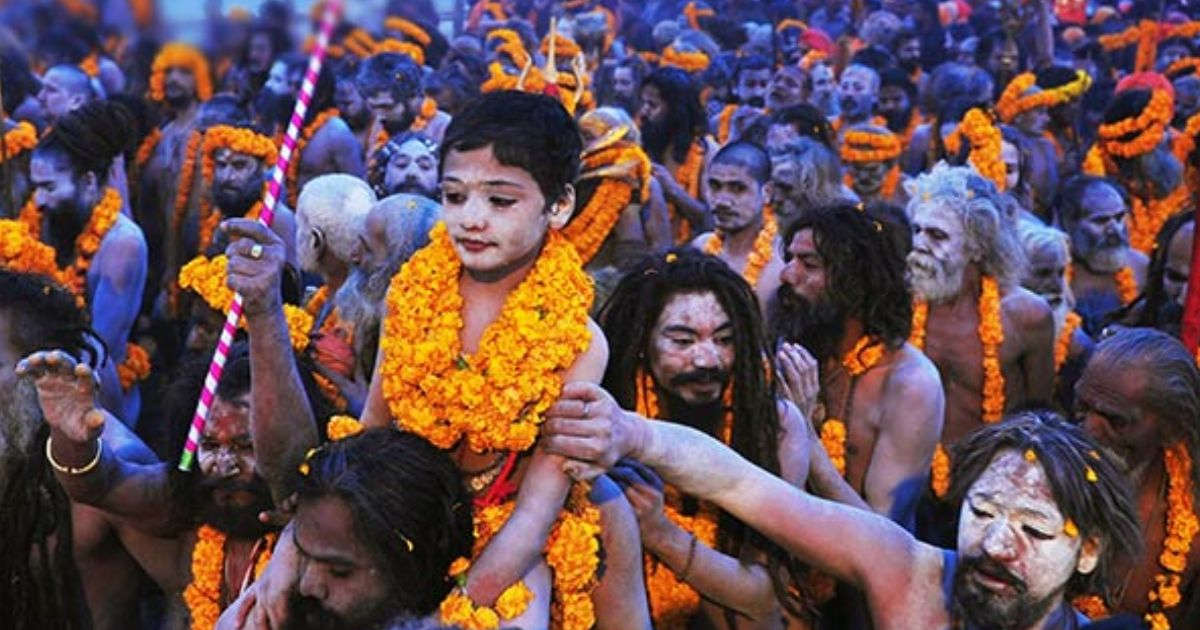
Whether you’re an entrepreneur, investor, or visitor, the Maha Kumbh Mela offers something extraordinary for everyone.
So, as the world gathers in 2025, remember—you’re not just witnessing a religious spectacle but also one of the largest economic engines on the planet.
Note: We have also covered the topic- Ganesh Chaturthi & the 300+ Crore business around it. Go through the article for detailed information!
Final Words
This year, as you take a dip in the sacred waters, think about how this event fuels India’s economy. That’s the true magic of the Maha Kumbh Mela business!
