
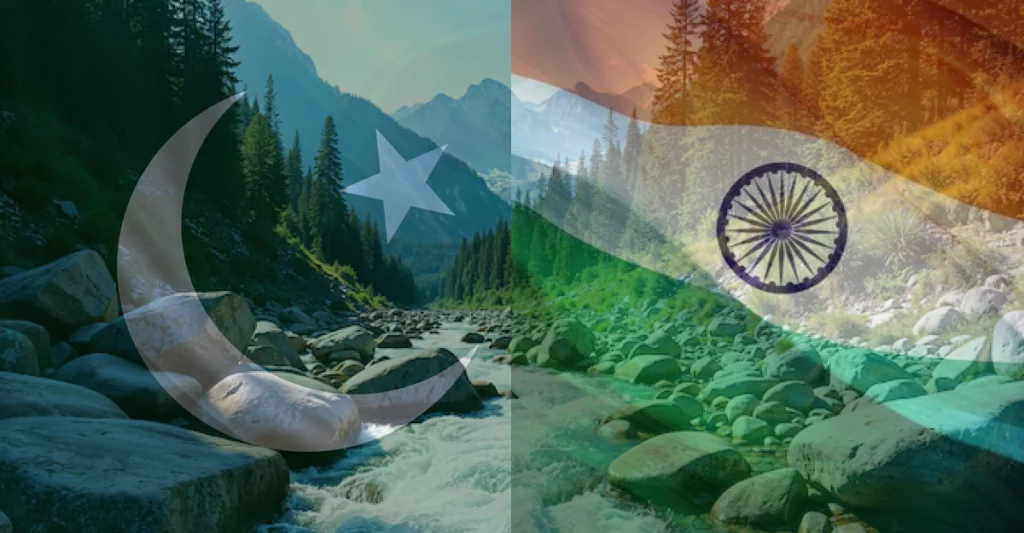
“POK flood alert after Pakistan accuses India of Jhelum water release: Report”
“The allegations came after India decided to suspend the 1960 Indus Waters Treaty, in response to the deadly terror attack in Pahalgam carried out by Pakistan-based terrorists.”

The news outlets are filled with these headlines. A six-and-a-half-decade-old treaty has finally been suspended. India faced over nine wars and countless terror attacks at the hands of Pakistan, but never once used water as a weapon, upholding the sanctity of the Indus Water Treaty for the sake of ordinary Pakistani civilians.
But the brutal Pahalgam terror attack, which cost the lives of innocent civilians, was enough to push India beyond its patience.
Now, the pressing questions arise:-
- What exactly is the Indus Water Treaty?
- Why was it signed?
- What impacts will Pakistan face now that India has finally decided to pull the plug on one of the most generous treaties in modern history?
In this write-up, we will uncover The Untold Story of the Indus Water Treaty — its history, fallout, and what the future holds.
Stay tuned!
Key Facts at a Glance
| Aspect | Details |
| Treaty Signed | 1960 |
| Broker | World Bank |
| Eastern Rivers | Ravi, Beas, Sutlej (India) |
| Western Rivers | Indus, Jhelum, Chenab (Pakistan, limited Indian use) |
| Recent Event | Suspension after Pahalgam Terror Attack |
| Major Impact | Flood alerts in PoK, Looming droughts in Pakistan |
| India’s Future Strategy | Maximize water usage, build dams, and leverage diplomacy |
The Birth of the Indus Water Treaty: A Generous Act of India
The Indus Water Treaty (IWT) was signed on September 19, 1960, between India and Pakistan, brokered by the World Bank.
Reason?
This agreement was aimed at solving a very real and very dangerous problem — the sharing of river waters. You see, when India and Pakistan split, the new border didn’t just divide people and land, it also sliced right through the mighty “Indus River System”. Most of the rivers feeding Pakistan’s farms started in India, giving India a lot of control over Pakistan’s water supply.
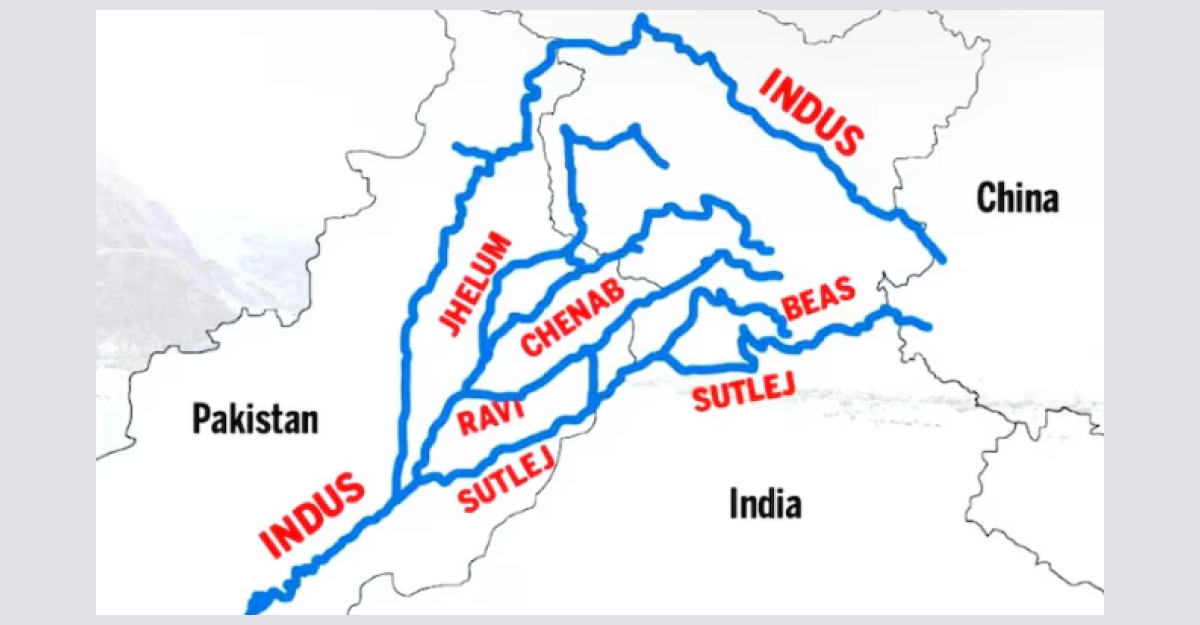
The treaty divided the rivers of the Indus basin between the two nations:-
- Eastern Rivers- Ravi, Beas, and Sutlej were allotted to India.
- Western Rivers- Indus, Jhelum, and Chenab were allotted to Pakistan, but India was allowed limited use, mainly for agriculture, hydropower generation (without altering the flow), and domestic purposes.
Despite the partition-induced trauma and three wars by 1960, India chose generosity over hostility. It gave Pakistan full rights over 80% of the water resources, even constructing a network of canals and dams (like the Tarbela Dam) to help Pakistan adjust.
In a world where water is a weapon, India’s restraint was historic. This deal wasn’t just a piece of paper — it became a symbol. It became one of the rare things they could agree on, even as everything else crumbled.
But the story changed after the devastating terror attack in Pahalgam in 2025, where innocent Indian civilians (including a Nepalese national) were killed by Pakistan-backed terrorists…
The Pahalgam Attack: A Massacre That Shook India
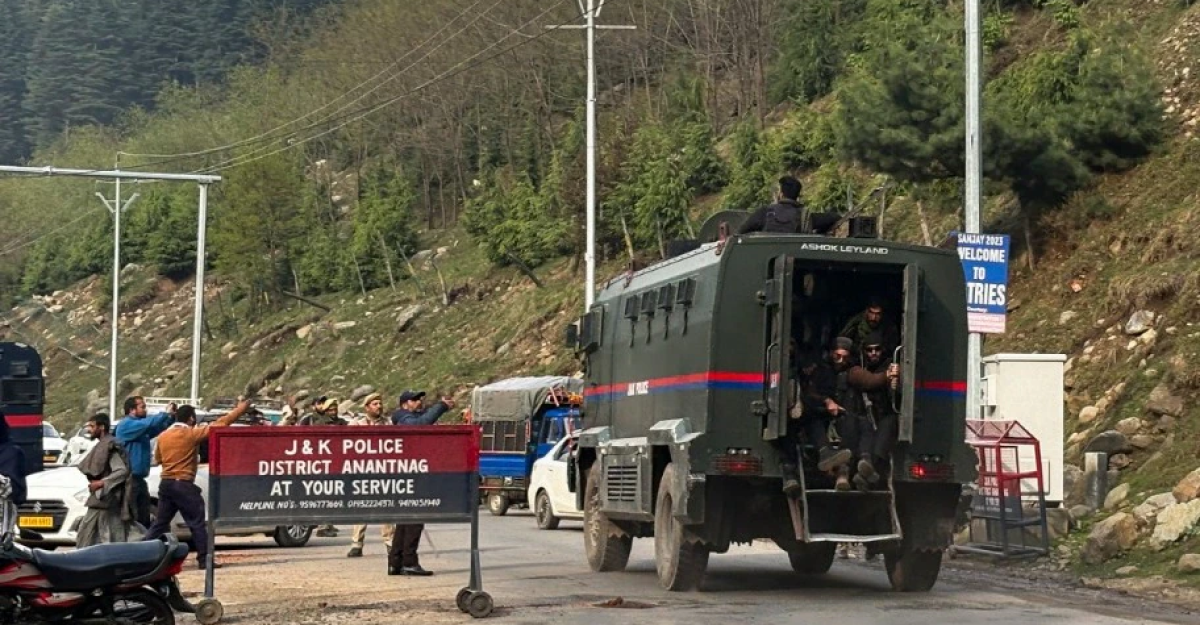
On April 22, 2025, terror struck the peaceful Baisaran Valley near Pahalgam in Jammu and Kashmir. Around 2:45 PM, five militants, dressed in military uniforms and armed with AK-47s and M4 carbines, launched a horrific attack on a group of tourists.
In a chilling assault, the terrorists asked victims their religion, forced them to recite Islamic verses, and then opened fire on non-Muslims at close range.
Twenty-six people — mostly men from across India and a foreigner from Nepal — were killed, and 20 others were injured. Heartbreakingly, some women were spared only to “narrate the horrors” back home.
Even a brave local Muslim man who tried to help the victims was gunned down. This was the deadliest attack on tourists in Kashmir in over 25 years, brutally tearing apart the fragile normalcy the region had built.
This was no random act — it was a direct, calculated assault on India’s soul. As India mourned, the world saw the truth: Pakistan’s hands are soaked in innocent blood. The attack left India with no choice but to respond with unprecedented measures, including suspending the Indus Waters Treaty.
Rivers Involved in the Suspended Indus Water Treaty
The rivers under the Indus Water Treaty have been critical for Pakistan’s agriculture and economy:-
- Indus River: The backbone of Pakistan’s water supply.
- Jhelum River: Source of irrigation and electricity (Mangla Dam).
- Chenab River: Vital for Punjab’s farmlands.
Pakistan’s Punjab province (ironic, since “Punjab” means “Land of Five Rivers”) is heavily dependent on these waters. Over 90% of Pakistan’s agriculture relies on river water supplied by the Indus system.
Without Indian cooperation, the specter of droughts, failing crops, food insecurity, and civil unrest looms large over Pakistan.
How the Suspension Hits Pakistani Economy?
Now, suspending the Indus Waters Treaty doesn’t mean India immediately cuts off water to Pakistan. That’s not how the Treaty works.
The first and biggest change?
India is no longer obligated to share critical river data — like how much water is flowing, flood forecasts, or discharge information.
Without this data, Pakistan’s farmers and cities are flying blind. They won’t know if a flood is coming or if a drought is about to dry up their fields.
And that’s just the beginning.
(A) The Fallout: Floods and Droughts in PoK
Recent reports of flood alerts in Pakistan-occupied Kashmir (PoK) following India’s actions show the immediate fragility of Pakistan’s infrastructure.
Years of mismanagement, corruption, and dependence on Indian benevolence have left Pakistan unprepared to handle water flow fluctuations.
Already, parts of Gilgit-Baltistan and Muzaffarabad are seeing flood threats, while southern Punjab braces for severe water shortages.
India, through technical means such as controlled release from its dams like Baglihar and Kishanganga, can regulate flows legally — something Pakistan failed to anticipate despite its belligerent policies.
(B) The Agriculture Fallout
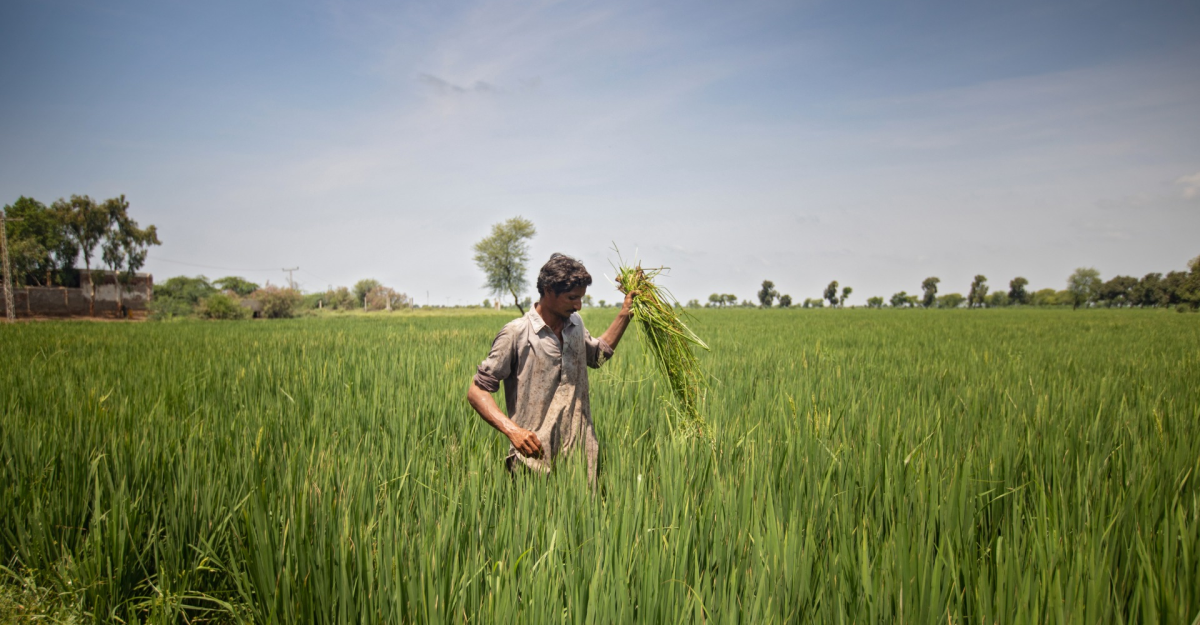
Pakistan’s economy leans heavily on agriculture. About 80% of its farmland — that’s around 16 million hectares — depends directly on water from the Indus basin. And almost 90% of that water is used for irrigation.
Here’s the problem:-
- Water levels in dams like Tarbela are already low.
- Cotton and rice — Pakistan’s two main crops — need plenty of water at just the right time.
- If India holds more water in its reservoirs during critical growing seasons, Pakistani farmers could miss their planting windows.
Cotton is vital for Pakistan — it fuels over 60% of its exports and supports the huge textile industry. A hit to the cotton crop could crush a major chunk of the country’s GDP, which is already under severe strain.
On the rice side, Pakistan and India dominate the world’s basmati rice trade. India currently controls about 65% of the market, while Pakistan holds 35%.
If Pakistan’s basmati production falls because of water shortages, India could snatch an even bigger share of the global market.
(C) The Hydropower Crisis
It doesn’t end with farming. Pakistan depends heavily on hydroelectricity for clean energy.
Major projects like Tarbela Dam, Mangla Dam, and Neelum-Jhelum Hydropower Station are powered by rivers that India controls.
If the river flows drop, Pakistan’s electricity generation will dip, too.
And that’s a disaster waiting to happen because Pakistan’s power sector is already drowning in about $9 trillion Pakistani rupees of circular debt.
Electricity prices have soared by 150% since 2021.
And studies show that every 1% hike in power prices cuts electricity consumption by about 0.3%, meaning industries like textiles, sugar, and fertilizer, already on life support, could collapse faster.
Plus, Pakistan’s total external debt has crossed $130 billion, and its foreign currency reserves are dangerously low, barely enough to cover 1.5 months of imports.
So any disruption in food or energy could tip the country into a full-blown economic crisis.
What About India? The Pros and the Pitfalls
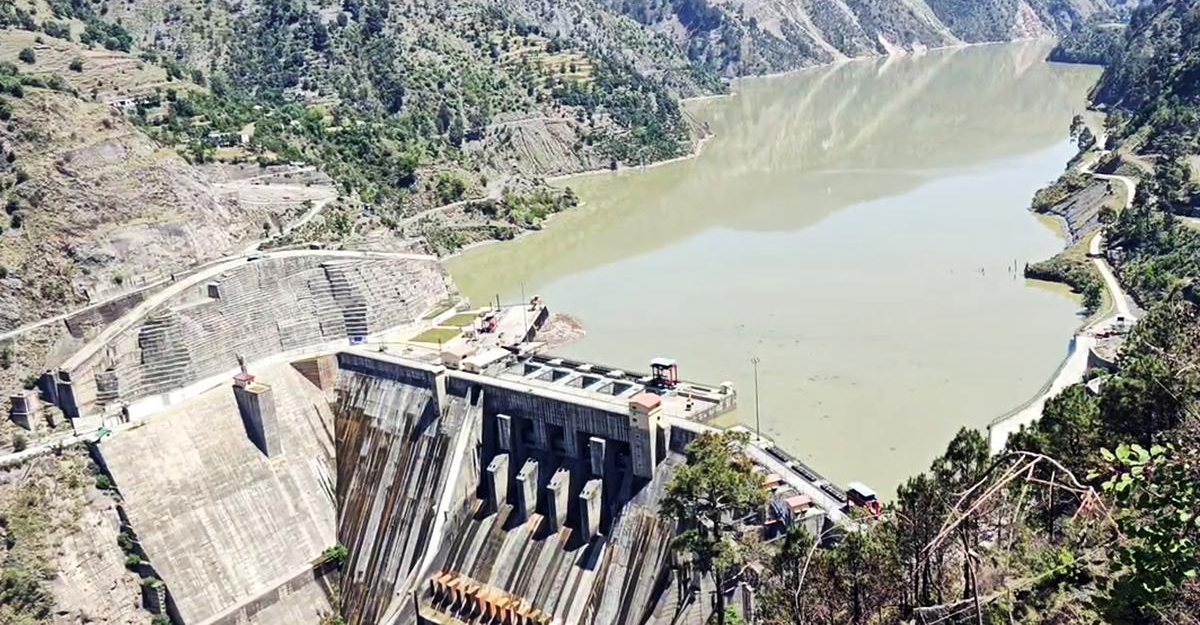
On the surface, suspending the Indus Waters Treaty gives India some big advantages and some unexpected disadvantages-
Pros
For one, farmers in Jammu & Kashmir and Ladakh could finally get more water for irrigation.
Right now, India is allowed to irrigate about 13 lakh acres using water from the western rivers, but it only uses about half of that.
New canals, better storage, and distribution systems could transform the region’s agriculture, boosting crops like apples, walnuts, and saffron, all of which have been struggling lately.
India could also fast-track hydropower projects like Ratle and Kishanganga, boosting its own green energy production without worrying about objections from Pakistan.
But it’s not all sunshine…
Cons
Building new dams and reservoirs isn’t easy or cheap. It can take years, cost billions of dollars, and often sparks environmental concerns, especially in the fragile Himalayan region, where changing river flows could trigger landslides and worsen climate challenges.
Then there’s the China problem.
India is downstream on rivers like the Brahmaputra, which originates in China. If India unilaterally suspends an international water treaty, it could set a precedent China might use against India later, by restricting water or data sharing across borders.
Also, Pakistan and China have teamed up on massive projects like the China-Pakistan Economic Corridor (CPEC), which includes dam-building plans on the Indus. If tensions rise, it could further complicate India’s security and diplomatic challenges in the region.
Why the Indus Water Treaty Was Always at a Disadvantage for India?
- Limited Use: Despite being the upper riparian (the upstream nation), India was severely restricted under the Indus Water Treaty.
- Delayed Projects: Pakistani objections delayed India’s legitimate projects like Kishanganga and Ratle hydroelectric plants for years.
- No Reciprocity: While India honored every letter of the treaty, Pakistan nurtured terrorism as state policy.
Even after the 1971 war that led to Pakistan’s division into two (creating Bangladesh), India continued to honor the treaty, a testament to its commitment to peace…
The Future: A New Water Diplomacy
India’s suspension of the Indus Water Treaty sends a strong geopolitical message: Water will no longer flow free to those who sponsor terror.
What are the possibilities now?
- Unilateral Revisions: India can now legally divert waters from western rivers for its own use, within technical boundaries under the UN’s water laws for self-defense.
- Dam Projects: India is already accelerating its dam construction projects like the Ujh Multipurpose Project, to maximize water use.
- Diplomatic Leverage: Water, being existential, could now become a powerful tool for India to compel Pakistan into rethinking its proxy war strategy.
Pakistan’s agricultural economy, already devastated by inflation and IMF debts, could collapse under prolonged water shortages. Food crises and mass migration could soon follow.
Note: We all know water is life! Hence, we have covered different topics related to water-
- 10 Startups Aiming to Solve the Water Crisis in India
- Water Powered Hydrogen Trains in India: Revolutionizing Eco-Friendly Travel
- How to Check TDS of Water? Best Practices to Follow
- Bisleri vs Kinley: Which is Ruling the Bottled Water Space?
Go through the above articles for detailed information.
Final Thoughts: The End of Indian Patience
The suspension of the Indus Water Treaty marks a historic shift in South Asian geopolitics. It’s not just about water; it’s about respect, sovereignty, and survival.
Back in 2016, PM Modi gave a remarkable statement– “Blood and Water cannot flow together”. And in 2025, India took action by suspending the Indus Water Treaty.
India upheld humanity for 64 years, even when wounded time and again by the very neighbor it nurtured with water. But enough is enough.
The Indus Water Treaty was an emblem of peace, and Pakistan turned it into a symbol of India’s “weakness” in their minds. For Pakistan, it’s a dire warning that years of cross-border terrorism come with a price far higher than it ever anticipated.
Water is life.
And India has finally taken back control over its own lifeblood!
The rivers will keep flowing. But the trust, the cooperation, and the delicate balance built over 6 decades may not survive.
And the real question is — who will pay the heavier price in the days to come?
Share your thoughts in the comment section below! Thanks for reading 🙂
