
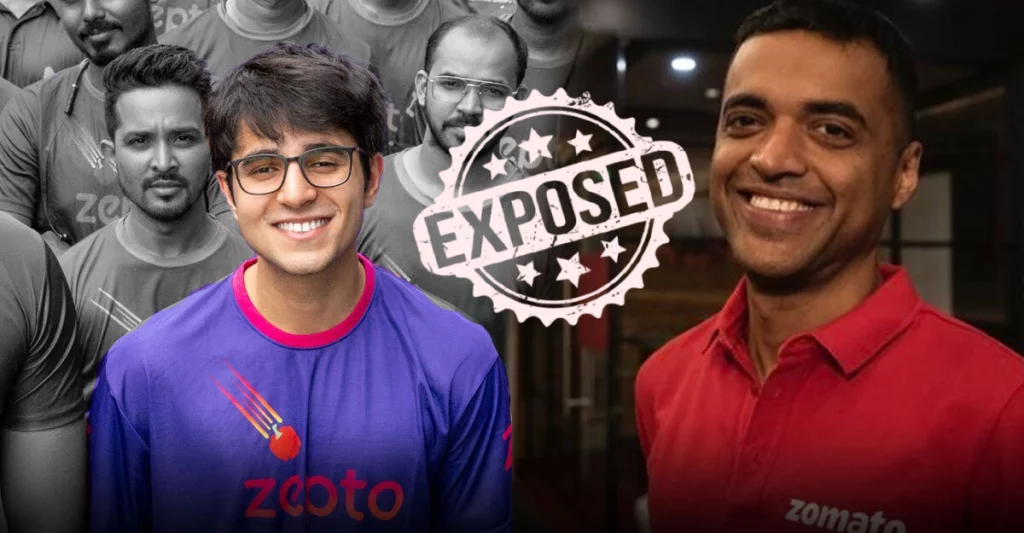
You may scroll through LinkedIn posts that say “Life at Zomato is awesome” or Zepto is the future of quick commerce”. But then suddenly, an anonymous whistleblower drops a bombshell online, and everything changes.
That’s exactly what just happened.
In the last few days, Reddit exploded with whistleblower revelations that sent shockwaves through the startup ecosystem. Two of India’s most hyped tech giants- Zomato and Zepto- have found themselves under public scrutiny.
Why?
Because employees from inside have anonymously spoken up, pulling back the curtain on what really goes on behind those glass office doors.
But this isn’t just about two companies.
This is about the power of whistleblowers, the ripple effects they create, and what it means for you- whether you’re a consumer, investor, employee, or startup founder.
Let’s break it all down!
How Whistleblowers Expose Zomato & Zepto?
It all started with an anonymous post on Reddit’s r/StartUpIndia community. Someone who claimed to be a Zomato employee spilled everything, from declining market share to toxic workplace culture-
- Losing Market Share
- New Rules that Shocked Employees
- Leadership Instability
- Broken Delivery Model
- Frustrated Ecosystem
Another whistleblower, this time from Zepto, posted a damning statement about the work environment-
- Meetings at 2am
- 14-hour workdays
- Dark patterns in app
- Privacy concerns
- High attrition and layoff rumous
Here are the links for the Reddit posts-
The Founders Respond: Damage Control Begins
When things like this go viral, companies can’t stay silent. Zomato’s founder, Deepinder Goyal, jumped in to publicly deny the claims.
He called the Reddit post “utter nonsense” and said the company has not lost market share, nor will it ever force employees to order only from Zomato.
He posted on X (formerly Twitter), writing-
“All of this- reddit.com/r/StartUpIndia…- is utter nonsense. Neigher are we losing market share, nor will we ever force our employees to order on Zomato. Freedom of choice is something we stand for vehemently.
It is embarrassing to even clarify this- but doing it since many people reached out to me with concern.
And thanks everybody for your concern.. appreciate it”
This kind of immediate response from a top-level founder shows you how seriously companies take whistleblower incidents- because the ripple effects are real.
Interestingly, Zepto has not officially responded to the Reddit post yet. But internal reports suggest employees are bracing for major cost cuts and cultural reforms post this controversy.
Why Whistleblowers Impact the Image of the Company?
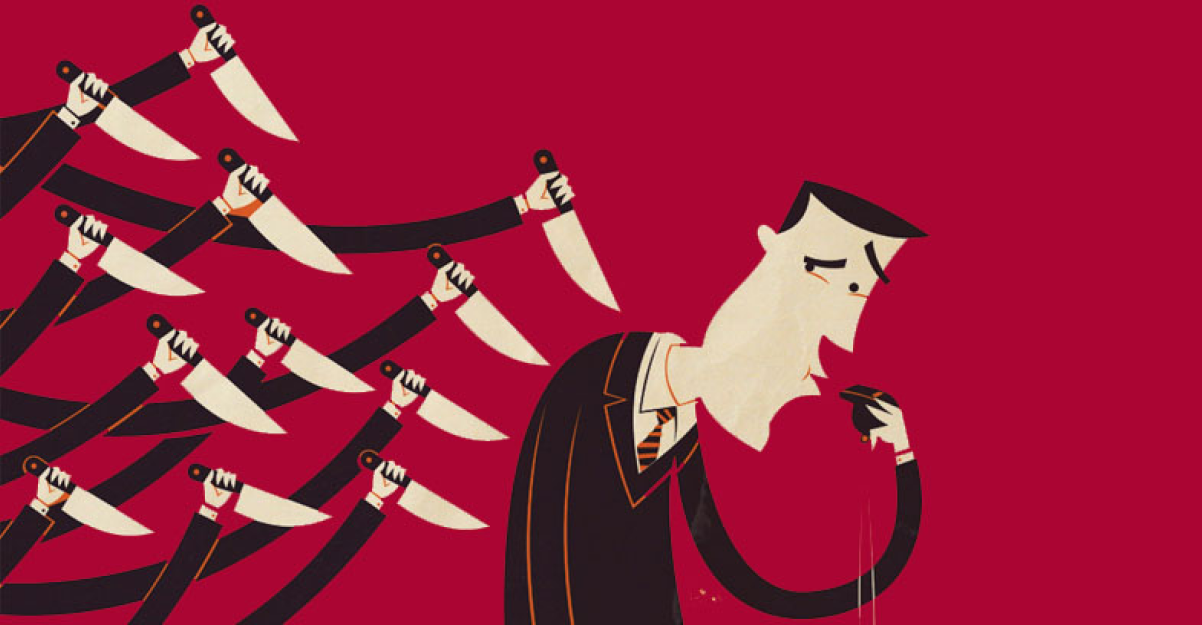
Now you might ask- Why should you care about some Reddit posts?
Whistleblowers are like society’s last line of defense against corporate chaos. They don’t just speak up to complay. They exposee patterns, break PR illusions, and reveal the hidden cracks that everyone else misses.
Here’s why whistleblowers are a game changer-
Protect the Customer
Would you want to order food from an app that underpays riders and hides fraud? Probably not. Whistleblowers help bring out unethical practices like-
- Dark pricing algorithms
- Mishandling of customer data
- Delivery system failures
You deserve to know what’s going on behind the interface you tap everyday.
Warn Investors
Investors thrive on data- but the clean, polished kind. Whistleblowers give the unfiltered truth. If you’re thinking of buying a company’s stock or investing in a startup, internal chaos and high attrition should be red flags. Reddit posts like these can shake investor confidence and even delay IPOs.
Trigger Reforms
From Uber to Facebook to Theranos- whistleblower stories have made companies change policies, fire top leadership, or completely restructure. When enough voices rise, change becomes inevitable.
Impact Public Perception
Perception is everything in business. You maty have loved ordering from Zomato or tried Zepto for its speed- but once you read that riders are quitting in frustration or customer data isn’t secure, it changes how you see them.
Even if just 10% of the claims are true, it’s enough to make people think twice.
This is why companies often jump into damage control mode. If they don’t address the issue transparently, it affects:-
- Brand trust
- Customer loyalty
- Employee morale
- Talent acquisition
What Should Companies Learn From This?
If you’re a startup founder or work in management, here are some key takeaways from this entire episode-
- Your internal culture will always find its way out. You can’t hide mistreatment or chaos for long. Someone will eventually speak out.
- PR won’t fix a broken system. Polished LinkedIn posts won’t save you if employees are struggling behind the scenes.
- Founders must stay grounded. Creating meeting schedules based on personal convenience (as alleged in Zepto’s case) or micromanaging team morale with fear-based rules (as claimed for Zomato) never ends well.
- Transparency is the best reputation insurance. Responding quickly, honestly, and with a clear plan of action can help companies bounce back from whistleblower storms.
Why Whistleblowers Might Not Always Be Right?

While whistleblowers play a crucial role in uncovering unethical behaviour and shaking up powerful companies, let’s be honest- not every whistleblower is a hero, and not every claim turns out to be 100% true.
Here’s the other side of the coin: Whistleblowers can also be wrong.
And in some cases, they can even be driven by personal agendas, misunderstandings, or incomplete information.
Let’s dig deeper on why we should sometimes take whistleblower claims with a pinch of salt.
Anonymous Doesn’t Always Mean Authentic
Most whistleblowers post anonymously to protect themselves- and that’s understandable. But anonymity also makes it hard to verify the authenticity of the claim.
- Was the person really an employee?
- Do they have access to full data or just fragment?
- Could they be exaggerating out of frustration?
In the Zomato and Zepto cases, the Reddit posts had no proof, screenshots, or concrete evidence- just first person stories. While they might be true, there’s always romm for bias or misinterpretation.
One Person ≠ The Whole Truth
A single whistleblower reflects their own experience. But a company id made of thousands of people, departments, and perspectives.
For instance-
- One employee might feel overworked, while another in a different team find the culture empowering.
- A rider’s frustration might be due to local logistics- not company-wide failure.
Basing an entire company’s image on one account could be unfair- especially when it affects hundreds of careers and reputations.
Revenge or Personal Grievance
Sometimes, whistleblowing may not come from a place of justice. It might come from revenge.
- Maybe someone didn’t get promoted.
- Maybe they were laid off or had a fight with their manager.
- Maybe they were part of a failed project.
In such cases, whistleblowing becomes a tool to vent or settle scores rather than expose the truth.
Half the Story Can Be More Dangerous Than No Story
Partial information can be misleading. A whistleblower might highlight a flaw without knowing the internal reason or context behind it.
For example, Zepto’s alleged “dynamic pricing” for high-end phones sound shady but it might just be part of targeted marketing or location-based pricing, which is legal and used globally.
Jumping to conclusions without full context can spark panic and misinformation.
It Can Undermine Real Issues
When false or exaggerated claims go viral, it hurts future whistleblowers. It creates a “boy who cried wolf” situation- where genuine red flags might be ignored because people think “Oh, another baseless rant.”
This is why it’s important to critically evaluate every claim, demand evidence, and stay objective even if the sotry is juicy or trending.
So, What’s the Balanced View?
Whistleblowers are essential, no doubt. They bring transparency and accountability. But they shouldn’t be blindly trusted either. Healthy skepticism is important. Instead of choosing sides to quickly, ask:-
- Is there evidence?
- Is the person credible?
- Have others come forward with similar experiences?
- Has the company responded, and how?
Value whistleblowers – They are not “complainers.” They are insiders with courage who risk their jobs to tell you the truth.
By doing this, you protect both truth and fairness. Because in the age of viral outrage and anonymous leaks, your critical thinking is the real hero.
Note: Do you know the underlying facts about Indus Water Treaty? If not then go through the article- The Untold Story of Indus Water Treaty.
Conclusion: Listen, But Question
Whistleblowers are like warning sirens. They alert us to what’s often hidden behind polished press releases and happy LinkedIn posts. The Zomato and Zepto exposes remind us that even India’s hottest startups aren’t immune to scrutiny. But as much as these voices deserve to be heard, they also need to be questioned.
Every claim isn’t gospel. Every accusation isn’t fact.
The real power lies in you- the reader, the investor, or customer. Be alert, no alarmed. Seek facts, not just feelings. Let’s appreciate whistleblowers for shining light in dark corners,, while also giving companies a fair chance to respond and explain.
Because in the end, real progress happens not when one voice yells the loudest, but when all voices- the silent, the shouting, and the spoken are weighed with reason.
Truth doesn’t need volume. It needs balance!
