
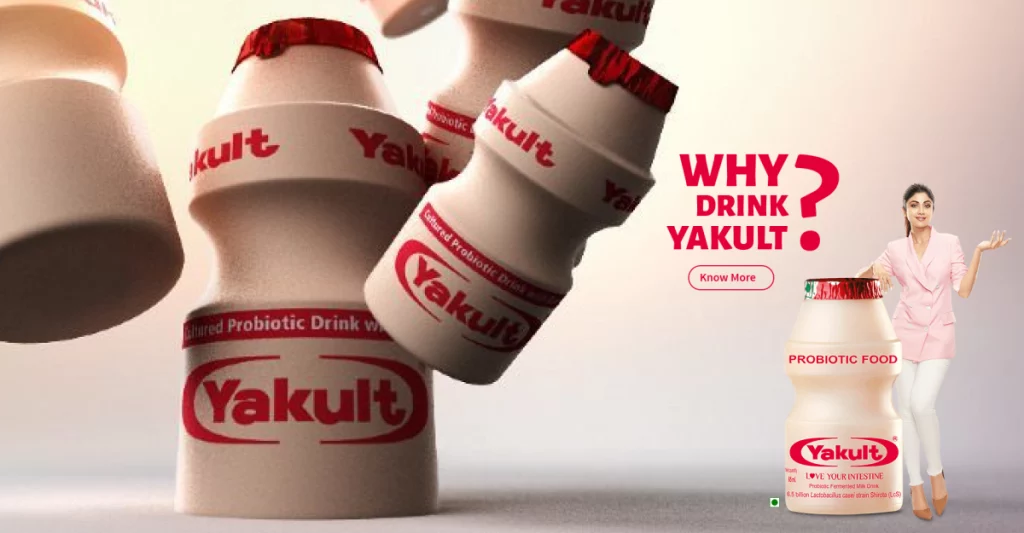
Have you ever wondered how a small fermented milk drink in a tiny bottle became a household name across 40 countries? What marketing magic makes people around the world willingly consume over 40 million bottles of Yakult every single day?
The answer lies in a brilliantly crafted Yakult marketing strategy that blends science, storytelling, and human connection in a way few brands have mastered.
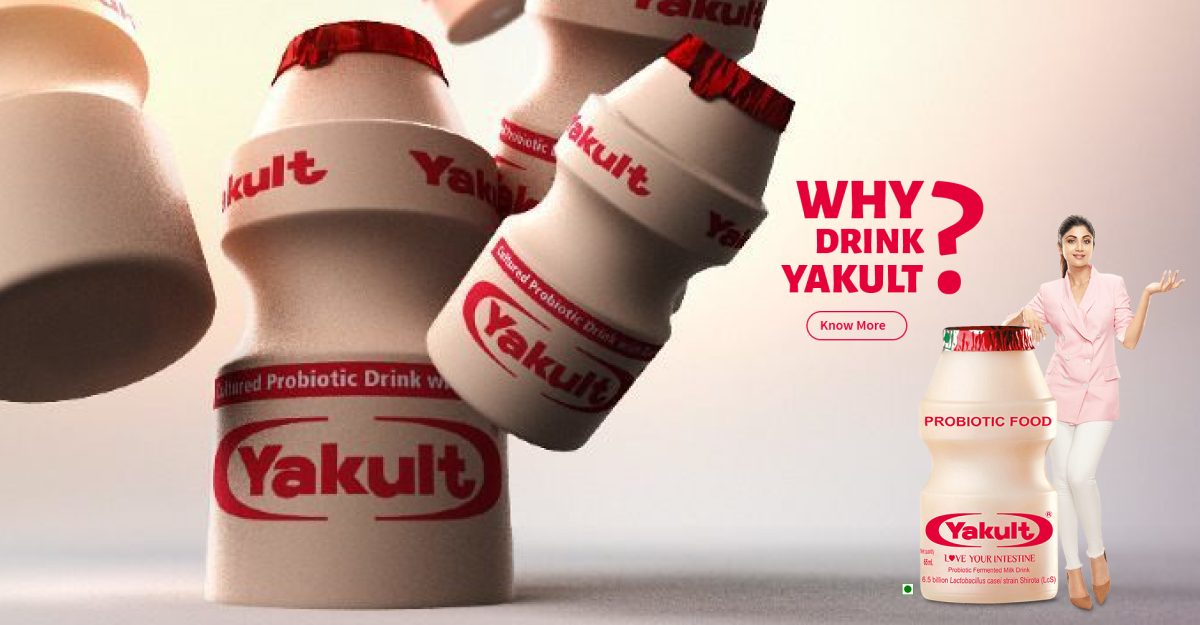
Yakult isn’t just selling probiotics—they’re selling a philosophy of health that began with one man’s mission nearly a century ago.
As you navigate today’s crowded health drink market, understanding Yakult’s approach might just inspire your own wellness journey or business ventures.
Let’s unpack the marketing genius behind this iconic brand together!
Company Background: More Than Just a Drink
Yakult’s story begins in 1930s Japan with Dr. Minoru Shirota, a microbiologist who pioneered the research of beneficial bacteria. He wasn’t just creating a product—he was on a mission to improve human health through preventive medicine. His philosophy, called “Shirota-ism,” was built on three principles: preventive medicine, a healthy intestine leads to a long life, and a healthy life for all.
This mission-driven foundation remains at the heart of the Yakult marketing strategy even today. The company has expanded beyond beverages into cosmetics and pharmaceuticals, but its core purpose hasn’t changed: “to contribute to the health and happiness of people around the world through the pursuit of excellence in life science”.
Brand Positioning: The Science-Backed Health Companion
Yakult positions itself uniquely in the crowded beverage market—it’s not just a refreshment but a scientifically-backed health product. While competitors often compete on taste or variety, Yakult marketing strategy emphasizes function over flavor.
The brand doesn’t try to be everything to everyone. Instead, it focuses on what it calls “intestinal health positioning”—connecting directly to gut health benefits that are scientifically proven.
Their signature strain, Lactobacillus casei Shirota, is scientifically proven to survive stomach acid and reach the intestines alive—a claim few competitors can make.
This scientific credibility isn’t just a marketing gimmick. Yakult maintains 252 medical doctors and scientists on its research team, constantly studying bacteria’s role in disease prevention and treatment. This commitment to research becomes a powerful trust signal in their marketing communications.
Target Audience: Health-Seekers Everywhere
Yakult’s primary targets are health-conscious individuals, but their approach varies fascinatingly across markets:-
- In Asia, they focus heavily on urban women and young professionals who are increasingly concerned about wellness
- In Western markets, they target educated consumers who understand probiotics and seek science-backed solutions
- Globally, they’ve found particular success with Latino communities, who represent 20% of the U.S. population and have a GDP growth rate 2.6 times higher than non-Latinos
What’s remarkable about their Yakult marketing strategy is how they adapt to local cultures while maintaining consistent brand messaging.
In India, they target urban women and busy professionals facing “health and lifestyle issues“, while in Europe, they focus on consumers interested in “conscious and healthy lifestyle” choices.
Yakult’s Marketing Mix: The 4Ps Perfected
Product: Science in a Bottle
Yakult keeps its product lineup simple but powerful. Their flagship product contains:
- 20 billion live Lactobacillus casei Shirota strain
- A simple formulation of skimmed milk powder, glucose, and water
- Just 80ml per bottle—the perfect dose for daily consumption
They’ve introduced variations like Yakult Light (with 30% less sugar) and larger family packs, but resisted flavor diversification that might dilute their health positioning .
Price: Premium but Accessible
Yakult employs value-based pricing— they’re not the cheapest option, but position themselves as worth the premium due to scientific backing. Interestingly, they maintain a no-discount policy in many markets to preserve brand value .
Yakult’s Pricing Strategy Compared to Competitors
Here is the updated table including estimated typical prices in USD for each brand’s probiotic drink:-
| Brand | Price Point | Volume | Value Proposition | Approximate Price (USD) |
| Yakult | Higher | 80ml | Scientifically proven strain | $1.00–$1.20 per bottle |
| Amul | Medium | 125ml | Multiple flavor options | $0.80–$1.00 per bottle |
| Nutrifit | Lower | 100ml | General digestive health | $0.50–$0.70 per bottle |
| Danone (Actimel) | Higher | 100ml | Clinically validated digestive benefits | $1.10–$1.30 per bottle |
| Nestlé (Nesvita) | Medium | 100ml | Fortified nutrition, trusted global brand | $0.90–$1.10 per bottle |
| Mother Dairy | Medium | 120ml | Affordable probiotic lassi option | $0.60–$0.80 per bottle |
| Fonterra | Medium | 250ml | Dairy-based probiotic blend | $1.20–$1.40 per bottle |
| Kerry Group | Higher | 90ml | Potent multi-strain formula | $1.25–$1.50 per bottle |
| Lactalis | Medium | 125ml | French-developed probiotic cultures | $0.90–$1.05 per bottle |
| Vitagen | Medium | 125ml | Asian-style probiotic drink, fruity taste | $0.70–$0.95 per bottle |
| BioGaia | Higher | 100ml | Premium Swedish L. reuteri strain | $1.40–$1.60 per bottle |
| Synlait | Medium | 150ml | Range of functional dairy beverages | $1.00–$1.15 per bottle |
| DuPont (IFF) | Higher | 100ml | Advanced HOWARU probiotic strains | $1.30–$1.50 per bottle |
Prices vary by market, retailer, and packaging, but these ranges reflect common retail prices in USD across global markets, including the USA, India, Europe, and Asia.
Place: Everywhere You Need It
Yakult’s distribution strategy is where its Yakult marketing strategy truly shines. They use a multi-channel approach: –
- Yakult Ladies: Perhaps their most famous distribution method. Over 41,000 in Japan alone, these door-to-door saleswomen deliver directly to homes while educating consumers
- Retail Partnerships: Available in supermarkets, convenience stores, and hypermarkets worldwide
- E-commerce: Growing online presence through partnerships with delivery platforms
The Yakult Ladies system is particularly brilliant—it’s not just distribution, but relationship-building. These women often check on elderly customers and provide personalized service that creates incredible loyalty .
Promotion: Educate First, Sell Second
Yakult’s promotional strategy blends traditional and digital approaches:-
- Above-the-line advertising: TV commercials and print ads emphasizing scientific benefits
- Sampling programs: Massive tasting campaigns—they ran “the largest sampling program for a single product” to overcome taste misconceptions
- Event sponsorships: Health expos, marathons, and baseball games, where they can reach health-conscious consumers
- Digital marketing: Social media campaigns and influencer partnerships that generated 4.3 million impressions in one campaign
Their approach to promotion always leans educational rather than purely commercial. They invest approximately ¥5 billion ($45 million) annually in educational content and health seminars.
Digital Transformation: Modernizing a Classic Brand
Yakult’s digital marketing strategy deserves special attention. Recognizing that consumers now research health products online, they’ve invested significantly in their digital presence:
- Influencer partnerships: Collaborating with health and wellness influencers to reach new audiences
- Interactive campaigns: Encouraging user-generated content, like submissions of people enjoying active moments with Yakult
- Content marketing: Creating original, shareable content featuring hand-made paper crafts and unique illustrations that increased Facebook engagement by 25.23% in just five months
- Platform optimization: Redesigning their European web presence to serve as a “consideration channel with relevant content” rather than just a branding tool
The results speak for themselves- 130% growth in social media engagement and 100% increase in page reach since launching their digital-first initiatives.
Yakult’s business model primarily revolves around producing and selling probiotic beverages with a focused investment in research and development (R&D), a robust multi-channel distribution system, and a unique direct-sales approach via its “Yakult Ladies.” This model ensures global reach and strong customer relationships, supporting sustained growth.
Core Business Model Components
Product and Value Proposition
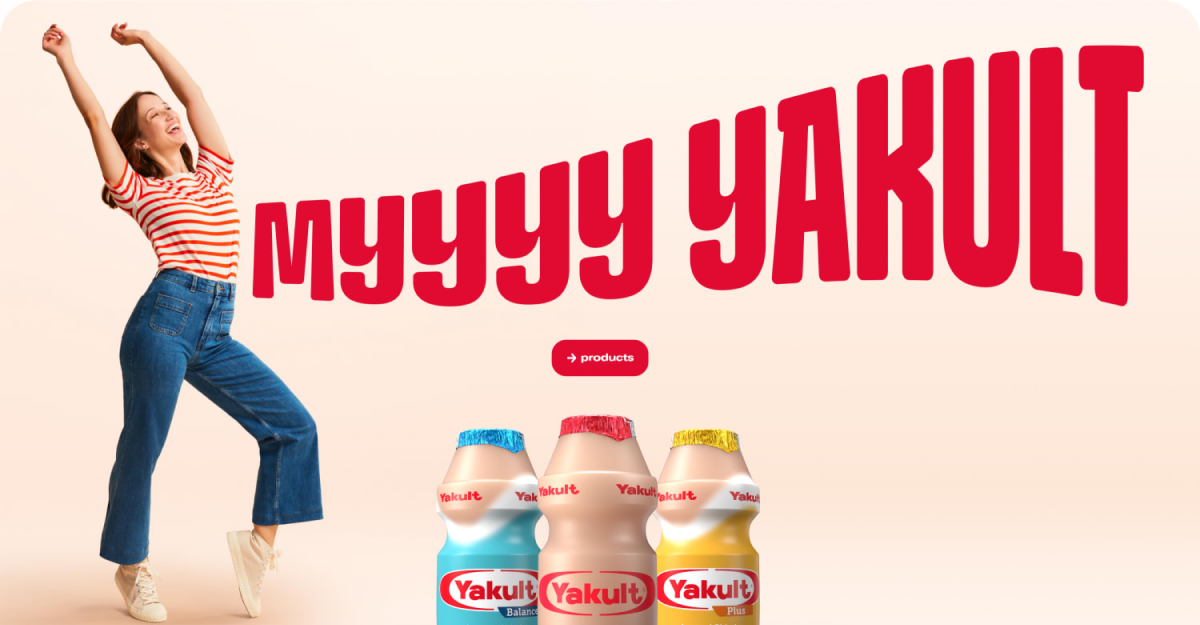
As stated in the introductory para, Yakult produces probiotic drinks containing the patented Lactobacillus casei Shirota strain, promoting digestive health and overall wellness. The company’s value proposition is rooted in “Shirota-ism,” emphasizing preventive medicine, affordable pricing, and improved longevity through gut health.
Revenue Streams
- Product Sales: The flagship probiotic drink constitutes about 70% of total revenue, generating approximately ¥333.64 billion (~$2.5 billion) annually. The company sells around 40 million bottles daily worldwide.
- Food Products: Other health-related dairy products contribute roughly 20%, around ¥95.33 billion, to Yakult’s revenue.
- Licensing Technology: Yakult licenses its proprietary strains and technologies in various global markets, contributing about ¥15 billion in 2022, growing steadily by 5% annually.
- Branded Merchandise & Workshops: Revenue also comes from branded goods and educational workshops, enhancing customer engagement and loyalty.
Distribution Channels
- Supermarkets and Retail: This channel accounts for 40% of sales, leveraging 20,000+ retail outlets globally.
- Health Stores: 15% of revenue comes from over 3,000 specialized health stores where health-conscious consumers shop.
- Online Sales: Growing rapidly, online sales contribute 10% of revenue with a 25% growth rate, reflecting rising e-commerce adoption.
- Direct Sales – Yakult Ladies: Yakult’s unique direct-sales model involves 50,000+ ‘Yakult Ladies’ globally, contributing 35% of total sales. These sales representatives build consumer trust and loyalty through home deliveries and personalized service, creating a competitive barrier to entry.
Cost Structure
- Production costs account for around ¥80 billion annually.
- R&D investments are approximately ¥10 billion, focusing on probiotic innovation and product improvements.
- Marketing and advertising consume nearly ¥15 billion to support global promotional activities and brand building.
- Distribution logistics (warehousing, transportation) cost about ¥25 billion per year.
Competitive Advantages
- Strong brand recognition supported by scientific credibility and continuous innovation.
- The Yakult Ladies model enables personalized customer service and direct market penetration, which is challenging for competitors to replicate.
- Diverse sales channels ensure product availability according to consumer preferences, including digital platforms and traditional retail.harvard
Financial Performance
Yakult has shown consistent revenue growth:
- Yakult Honsha’s net sales for the fiscal year ended March 31, 2025, were ¥499.6 billion (approximately 3.28 billion USD, based on current exchange rates). The company’s consolidated net sales for this period were reported on its official financial statements.
- Total revenue reached around ¥476.63 billion (~$3.6 billion) in fiscal 2023.
- The company maintains stable growth in international markets, especially Asia, while managing competitive pressures domestically.
- Investments in product diversification and digital marketing underpin growth strategies for expanding global market share.
Yakult’s marketing approach isn’t just creative—it’s commercially effective. Consider these impressive figures:-
- 40 million bottles sold daily worldwide
- ¥36.6 billion ($330 million) annual advertising investment
- 7% year-over-year sales growth in Japan, with 15% increases during sampling campaigns
- 90% customer retention rate for probiotic products—almost unheard of in the beverage industry
Yakult’s Global Revenue Distribution
| Business Sector | Revenue Contribution (%) |
| Domestic Food & Beverages | 49% |
| Overseas Food & Beverages | 41% |
| Pharmaceuticals | 5% |
| Others (Cosmetics, etc.) | 5% |
Their consistent 10% year-over-year global revenue growth demonstrates the power of their strategic approach .
Challenges and Limitations
Despite their success, Yakult faces significant challenges:-
- Limited flavor options: Unlike competitors who offer multiple flavors, Yakult maintains a limited selection, potentially limiting appeal
- Refrigeration requirements: The need for cold storage complicates distribution and limits placement opportunities
- Small package size: Some consumers perceive the 80ml bottle as poor value compared to larger competitors
- Growing competition: Brands like Brand X (innovative flavors), Brand Y (health emphasis), and Brand Z (local cultural appeal) are competing effectively
The Way Forward: Building a Better Probiotic Brand
If you wanted to create a probiotic brand that could compete with Yakult, what would you do differently? Based on their weaknesses and market opportunities, here’s what might work: –
- Solve the refrigeration problem: Develop shelf-stable probiotics that maintain potency without cold chain requirements
- Expand flavor options strategically: Offer limited-edition seasonal flavors or customizable options without compromising health positioning
- Leverage technology better: Create a subscription model with smart dispensers that track consumption and health metrics
- Target underserved demographics: Develop specific formulations for different age groups (seniors, children) and health conditions
- Embrace sustainability more prominently: Use biodegradable packaging and promote environmental initiatives to appeal to eco-conscious consumers
- Create digital community platforms: Build apps that connect users for motivation, recipe sharing, and health tracking
The key would be maintaining scientific credibility while solving the practical limitations that currently restrict Yakult’s market reach.
Note: We have uncovered the marketing strategies of various other brands. Go through the following articles for more info-
- Carlsberg Marketing Strategy
- Candy Crush Marketing Strategy
- Zara Marketing Strategy
- Nykaa Marketing Strategy
- boAt Marketing Strategy
FAQ Section
Q: How much does Yakult spend on marketing annually?
A: Yakult invests approximately ¥36.6 billion ($330 million) in advertising each year, with significant portions dedicated to educational content and sampling programs.
Q: Why does Yakult use door-to-door saleswomen?
A: The “Yakult Ladies” system builds personal relationships with customers, provides education about probiotics, and creates reliable distribution outside traditional retail channels. Surprisingly, this method is more profitable than supermarket sales in many markets.
Q: Is Yakult really scientifically proven?
A: Yes. Yakult maintains 252 medical doctors and scientists who conduct ongoing research. Their signature strain, Lactobacillus casei Shirota, is scientifically proven to survive stomach acid and reach the intestines alive.
Q: How has Yakult adapted to digital marketing?
A: They’ve invested heavily in social media, influencer partnerships (generating 4.3 million impressions in one campaign), and interactive content that increased Facebook engagement by 25.23% in five months.
Q: What makes Yakult different from other probiotic drinks?
A: While competitors often compete on taste or variety, Yakult emphasizes its scientific research, specific bacterial strain, and health benefits over flavor options.
Final Thoughts on Yakult Marketing Strategy
Yakult’s marketing success ultimately boils down to one powerful insight: people don’t just buy products—they buy trust, stories, and relationships. In an increasingly digital world, Yakult maintains the human touch through its Yakult Ladies, educational approach, and mission-driven branding.
Their Yakult marketing strategy works because it blends science with storytelling, tradition with innovation, and mass marketing with personal connection.
As they expand globally while maintaining local relevance, they offer valuable lessons for any health brand: educate first, sell second; build relationships, not just transactions; and never compromise on your core values.
The next time you see that small bottle in the dairy aisle, you’ll understand the sophisticated marketing strategy behind it—a strategy that made a Japanese probiotic drink a global health phenomenon!
