
When you think of a global beer brand, one name that comes to mind is “Carlsberg”. It has a rich history, spanning over 170 years, and is known for its distinctive green bottle and refreshing brews. But what makes Carlsberg stand out in such a competitive market?
The answer lies in the Carlsberg marketing strategy, which has helped it build a solid brand and remain relevant in over 150 countries.
In this article, I will thoroughly explain the Carlsberg Marketing Strategy in 10 points. Let’s begin!
1. Understanding the Carlsberg Brand
Before we get into the specifics of the Carlsberg marketing strategy, it’s important to understand the brand itself. Founded in 1847 in Denmark, Carlsberg started as a small brewery but quickly grew to become one of the largest beer manufacturers in the world.
Here’s a quick overview of the company-
| Particulars | Carlsberg Group |
| Company Type | Aktieselskab (Danish name of stock-based corporation); Publicly Listed |
| Industry | Drink and Beverages |
| Founded | 1847 |
| Founder | J.C. Jacobsen |
| Headquarters | Copenhagen (Denmark) |
| Area Served | Worldwide |
| Key People | Jacob Aarup-Andersen (CEO) |
| Products | Beers, Ciders, Soft Drinks, Bottled Water |
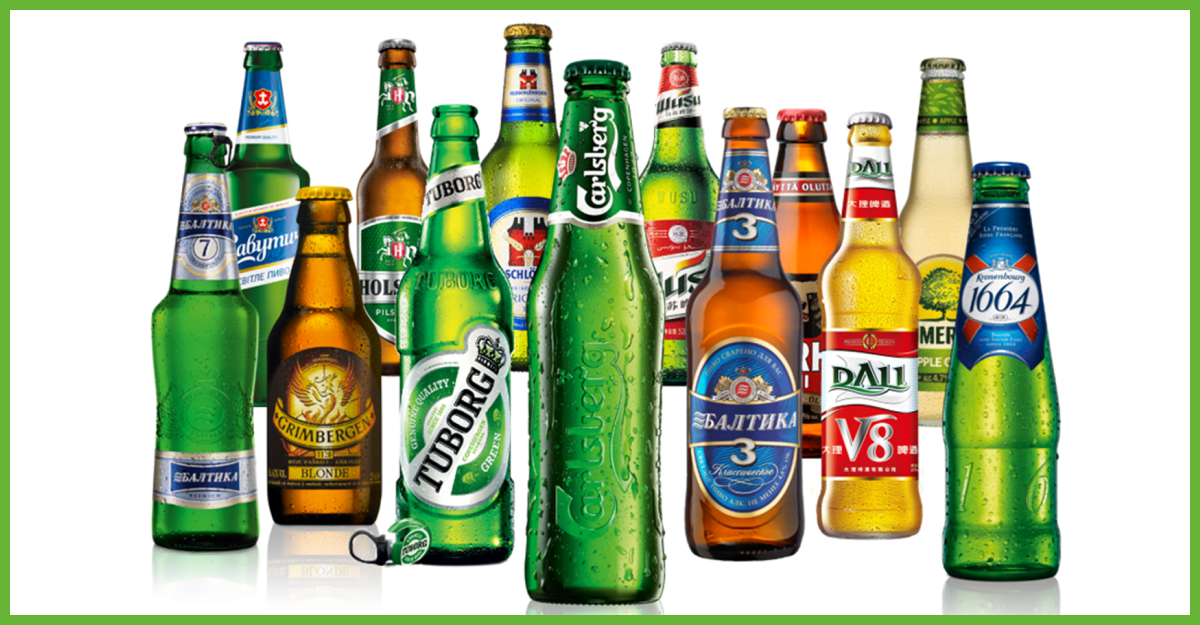
| Brands | Carlsberg, Tuborg, Kronenbourg 1664, Grimbergen, Somersby, Holsten, Khyrdalan |
Today, Carlsberg operates in both alcoholic and non-alcoholic beverage segments, serving markets in Europe, Asia, and beyond.
Their marketing approach revolves around quality, taste, and consistency. But it’s also about connecting with people on an emotional level, which is where the marketing magic happens.
(2) STP: Segmentation, Targeting, and Positioning
Every successful marketing strategy begins with clear segmentation, targeting, and positioning—often referred to as STP. For Carlsberg, this means catering to a wide range of customers while focusing on specific market needs.
(2.1) Segmentation
Carlsberg divides its market based on demographics, psychographics, and geography. It targets both alcoholic and non-alcoholic beverage consumers, including-
- Age Groups: While Carlsberg primarily targets adults aged 18-45, it also focuses on families and non-drinkers with its non-alcoholic options.
- Geography: Their beers are marketed differently in various regions, recognizing local tastes and preferences. Asia accounts for 28% of Carlsberg’s operating profit, showing its emphasis on this growing market.
(2.2) Targeting
Carlsberg adopts differentiated targeting, which means it tailors its marketing efforts to various segments. For example, their premium products like “Carlsberg 1883” target the more discerning beer drinkers, while budget options like “Tuborg” appeal to younger, cost-conscious consumers.
(2.3) Positioning
Carlsberg positions its brand based on quality, heritage, and taste. They often use the tagline, “Probably the best beer in the world,” which emphasizes both product quality and an aspirational image. By promoting the idea of excellence, Carlsberg stands out as a brand that delivers consistently superior experiences.
(3) The Role of Innovation in Carlsberg Marketing Strategy
Innovation plays a key role in the Carlsberg marketing strategy. The company understands that in a crowded market, staying ahead requires constant reinvention.
For instance, Carlsberg introduced non-alcoholic beer to cater to the growing health-conscious audience. With a focus on environmental sustainability, they have also invested heavily in sustainable brewing processes.
In 2019, Carlsberg launched a paper bottle prototype to reduce plastic waste, an innovative move that not only positions the company as eco-friendly but also grabs attention in a market that’s increasingly concerned with sustainability.
(4) Carlsberg’s Pricing Strategy
Carlsberg’s pricing strategy is designed to cater to different consumer needs. In the beer industry, pricing can be tricky as it often depends on location, local competition, and brand positioning.
- Premium Pricing: Carlsberg uses premium pricing for its higher-end brands like Carlsberg 1883. By positioning these beers as luxury items, Carlsberg appeals to consumers who are willing to pay more for perceived superior quality.
- Value Pricing: On the other hand, “Tuborg”, one of Carlsberg’s most popular brands, is priced more affordably to attract a younger audience. This mix of “value and premium pricing” allows Carlsberg to reach a broad demographic while maintaining brand prestige.
(5) Distribution Strategy of Carlsberg
For a brand to succeed globally, it needs an efficient distribution strategy, and Carlsberg’s is nothing short of impressive. Carlsberg distributes its products in over “150 countries”, including markets in Europe, Asia, and Africa.
The company uses a multichannel distribution system involving-
- Retailers & Wholesalers: Carlsberg’s beer is widely available in supermarkets, convenience stores, and bars.
- E-Commerce: With the rise of online shopping, Carlsberg has tapped into the e-commerce space, partnering with online retailers and platforms for beer sales.
- Strategic Partnerships: Carlsberg also collaborates with major distributors and local breweries, allowing it to penetrate markets where it doesn’t have a direct presence.
This global distribution network ensures that no matter where you are, you can easily grab a Carlsberg beer.
(6) Carlsberg’s Marketing Campaigns: How They Create Buzz?
Carlsberg’s marketing campaigns are known for their creativity and effectiveness. One of the most notable campaigns was their airport stunt, where they placed free crates of Carlsberg beer on a luggage belt at London’s Heathrow Airport. The crates were marked with “Take me, I’m yours.” This surprise element generated massive buzz, boosting brand visibility and creating a memorable experience for travelers.
Another example is- Contradicting its famous tagline. Earlier, its tagline was “Probably the best lager in the world.” Then, they changed it into “Probably not the best beer in the world”.
This was the masterstroke of the Carlsberg marketing strategy. Why? You ask. It increased the curiosity among the audiences and hence the engagement with the brand increased organically.
(7) Carlsberg’s Digital Marketing and Social Media
Carlsberg’s digital marketing strategy focuses on engaging audiences across “social media platforms”. With millions of followers on Instagram, Facebook, and Twitter, Carlsberg uses these channels to build a community and connect with its customers.
For instance, Carlsberg often hosts “user-generated content contests”, where customers can share their Carlsberg moments for a chance to win prizes. This not only boosts engagement but also creates a sense of loyalty and community among beer lovers.
(8) Sponsorships and Partnerships
Another important element of Carlsberg’s marketing strategy is its involvement in “sponsorships and partnerships”. Carlsberg has been a long-time sponsor of major events, including the “UEFA European Football Championship” and the “English Premier League”.
These sponsorships allow Carlsberg to directly engage with its target audience and increase brand visibility. By associating itself with popular sports events, Carlsberg reinforces its image as a drink of choice for celebrations and social gatherings.
(9) Brand Loyalty and Customer Engagement
Finally, Carlsberg invests in “brand loyalty programs” and keeps customers engaged through exciting content, limited-edition releases, and unique experiences. For instance, their beer-tasting events and brewery tours offer consumers a more personal connection to the brand, which in turn boosts loyalty.
(10) Key Takeaways from Carlsberg Marketing Strategies
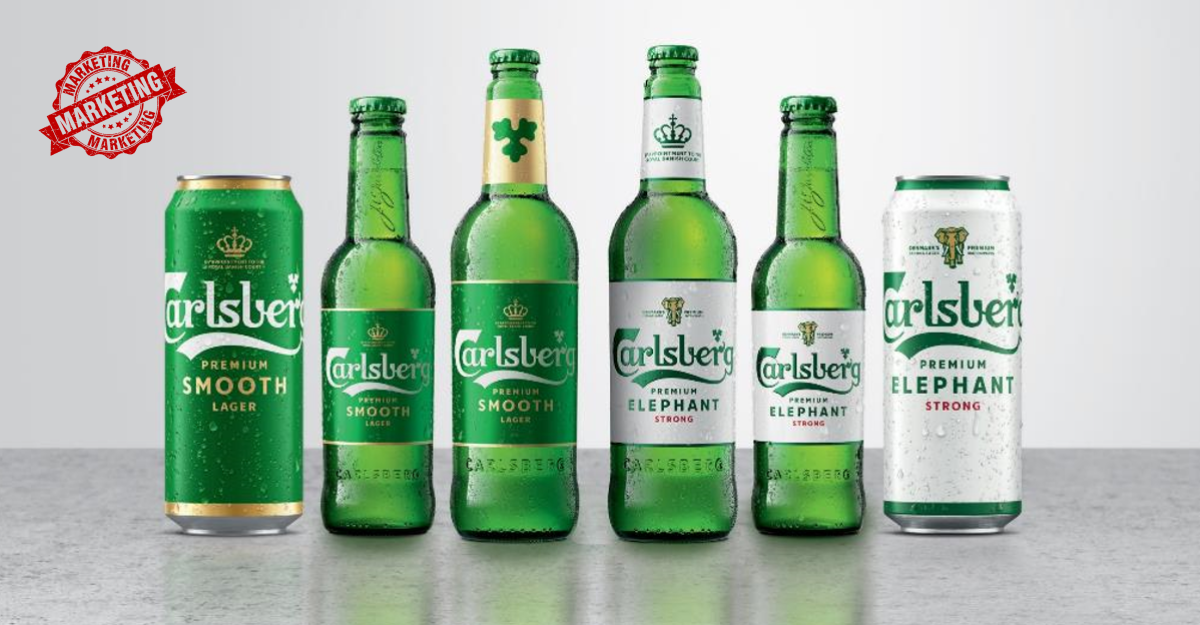
- Surprise & Delight: You don’t always have to follow the conventional route. A surprise element can grab attention and create a lasting impression.
- Engagement: The campaign encouraged interaction and created word-of-mouth buzz, as people eagerly shared their experiences.
In other words, Carlsberg combines traditional advertising with interactive and experiential marketing to engage consumers.
Note: We have already explained the 11 most well-executed moment marketing examples by brands. Go through the article for more details.
Wrapping Up The Carlsberg Marketing Strategy
To sum it up, Carlsberg’s marketing strategy is a combination of creativity, smart targeting, and innovation. Whether it’s their unique campaigns, strategic pricing, or commitment to sustainability, Carlsberg knows how to keep its brand relevant and loved by consumers across the globe.
By adopting some of Carlsberg’s strategies—such as “surprise marketing”, focusing on “customer engagement”, and making use of “timely partnerships”—you too can boost your brand’s presence and connect with your audience in memorable ways.
So, next time you crack open a Carlsberg, you’ll know exactly how the brand has worked its marketing magic!
