
Standing on the edge of bankruptcy while running two struggling companies sounds like a nightmare for any entrepreneur.
That was Elon Musk in 2008…
Tesla was running out of cash, SpaceX had suffered multiple rocket failures, and much of the fortune he earned from PayPal was already gone. Most people would have protected what remained.
Musk doubled down…
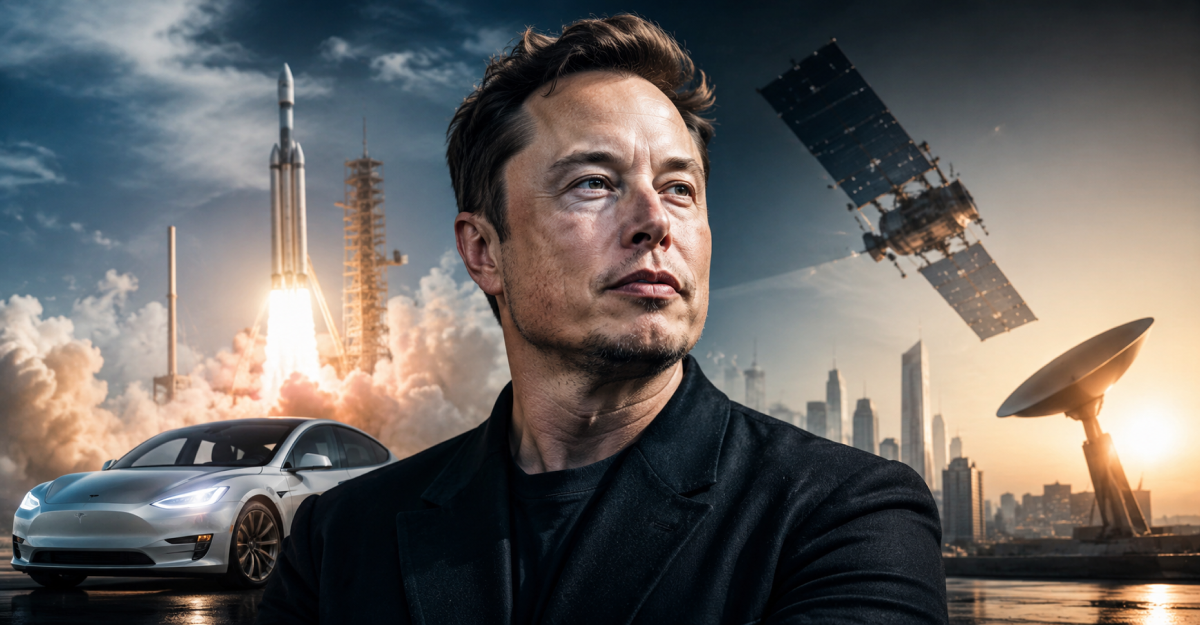
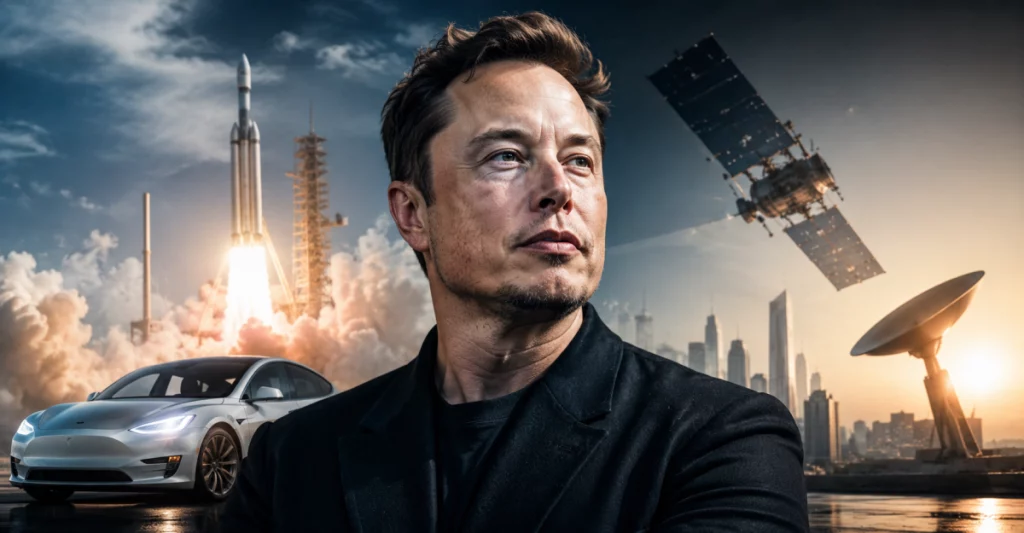
Less than two decades later, the same entrepreneur is leading companies worth hundreds of billions of dollars and is widely considered a potential candidate to become the first trillionaire in human history.
What’s even more remarkable is that he didn’t build his empire in just one industry. While most billionaires spend their careers mastering a single sector, Musk disrupted electric vehicles, space exploration, satellite internet, artificial intelligence, and brain-computer technology.
That kind of success cannot be explained by luck alone. Behind every bold bet lies a set of repeatable, effective strategies of Elon Musk that have helped him turn seemingly impossible ideas into some of the world’s most valuable businesses.
Let’s break down the 10 strategies that helped him build one of the most valuable business empires in modern history.
1. Think From First Principles, Not Assumptions
One of the most famous Elon Musk success secrets is his reliance on first-principles thinking.
Instead of accepting industry assumptions, Musk breaks problems into their most basic truths and rebuilds solutions from scratch.
When SpaceX was founded, conventional wisdom suggested rockets were incredibly expensive because they always had been. Musk examined the raw material costs of a rocket and discovered they represented only a fraction of the final price. Rather than accepting existing suppliers and pricing structures, SpaceX redesigned manufacturing around this insight.
Tesla followed a similar path with batteries. Rather than viewing battery costs as fixed, the company focused relentlessly on improving production efficiency and scaling manufacturing.
The result was dramatic cost reduction and industry disruption.
Takeaway: When solving problems, ask what is actually true rather than what everyone believes is true. Many breakthrough opportunities emerge when assumptions are challenged.
2. Bet on Industries Everyone Else Thinks Are Impossible
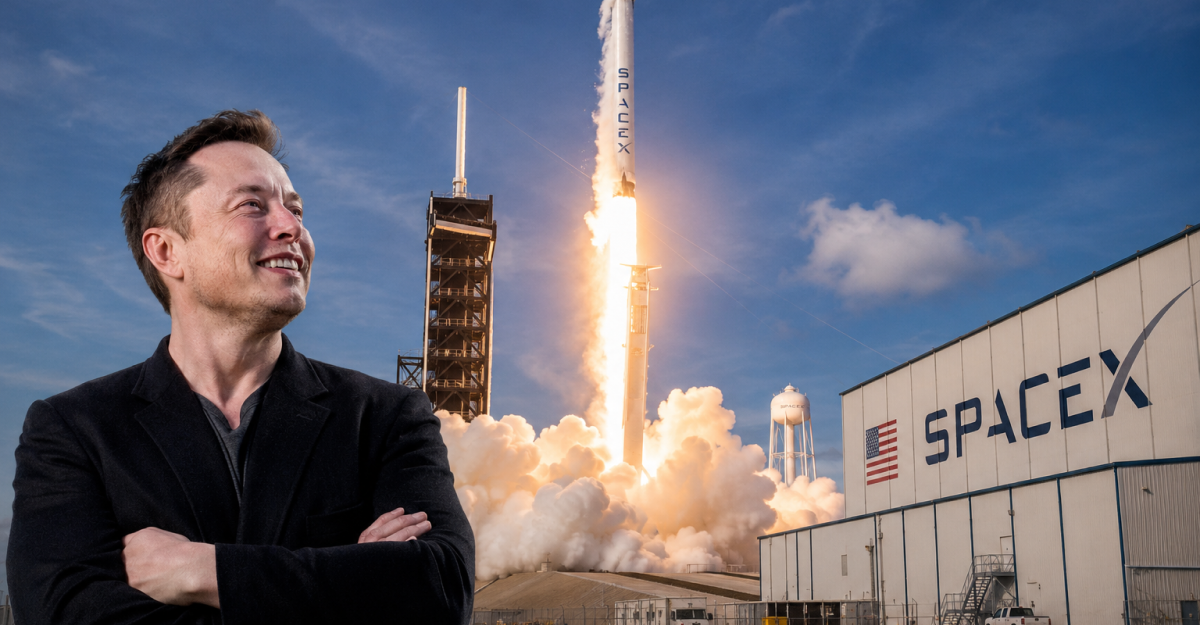
Most entrepreneurs search for crowded markets with proven demand.
Musk often does the opposite.
Electric vehicles were considered niche products. Reusable rockets were viewed as unrealistic. Satellite internet was seen as prohibitively expensive. Brain-computer interfaces belonged largely to science fiction.
Yet Musk repeatedly entered these difficult sectors because barriers discouraged competition.
This reflects a core principle of his Elon Musk wealth strategy: the harder the problem, the fewer people are willing to solve it.
Difficult industries create opportunities for outsized rewards because success generates advantages that are difficult for competitors to replicate.
While others chase incremental improvements, Musk often pursues fundamental industry transformation.
Takeaway: The biggest opportunities frequently exist where uncertainty is highest. Solving important problems can create value far beyond conventional markets.
3. Play Long-Term While Others Think Quarter-To-Quarter
One of the defining characteristics of Musk’s business empire is patience.
Tesla endured years of losses before becoming consistently profitable. SpaceX suffered multiple rocket failures before achieving reliable launches. Starlink required enormous investment years before meaningful revenue appeared.
Many businesses optimize for the next quarter. Musk often optimizes for the next decade.
This long-term mindset allows companies to invest aggressively in infrastructure, technology, and research that competitors may avoid due to short-term financial pressure.
The approach mirrors a concept psychologists call delayed gratification: sacrificing immediate rewards for larger future outcomes.
For investors and entrepreneurs alike, this may be one of the most valuable entrepreneurial lessons from Elon Musk.
Takeaway: Long-term thinking creates strategic advantages because most competitors are focused on immediate results.
4. Take Massive Risks Others Avoid
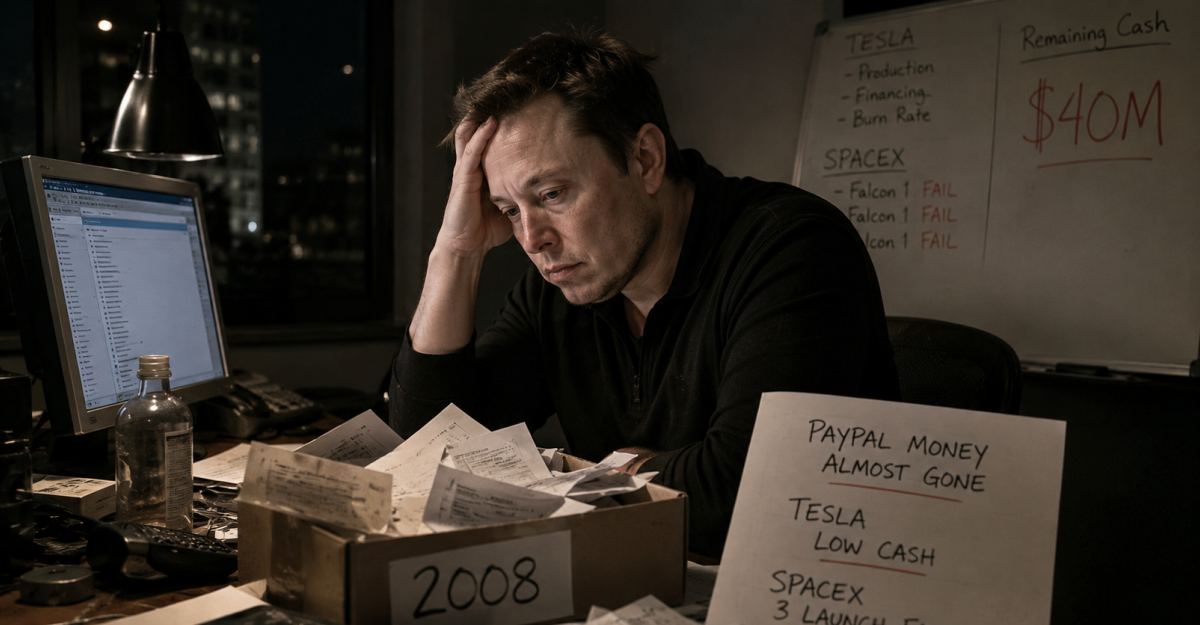
In 2008, Musk faced what many consider the most dangerous period of his career.
After selling PayPal, he invested much of his fortune into Tesla and SpaceX. Both companies approached collapse during the global financial crisis. SpaceX had suffered launch failures, and Tesla struggled with production challenges.
At one point, failure appeared likely.
Instead of retreating, Musk doubled down.
The key distinction is that these were not random gambles. They were calculated risks backed by deep understanding, technical expertise, and conviction.
Many successful entrepreneurs avoid catastrophic risk, but they also avoid transformative opportunity.
Musk’s career demonstrates that exceptional outcomes often require unusually high levels of commitment.
Takeaway: Calculated risk is often necessary for extraordinary growth. The goal is not recklessness but informed conviction.
5. Build Products That Create Entire Markets
Most companies compete for existing customers.
Musk often creates new categories altogether.
Tesla didn’t simply build electric cars. It helped transform public perception of electric vehicles from slow, unattractive alternatives into desirable products.
SpaceX dramatically lowered launch costs, expanding commercial space opportunities. Starlink brought high-speed internet to regions previously underserved by traditional infrastructure.
This approach changes the competitive landscape.
Instead of fighting over existing demand, Musk’s companies frequently generate entirely new demand.
Creating markets can be more valuable than competing within them.
Takeaway: Innovation becomes most powerful when it expands possibilities rather than merely improving existing products.
6. Obsess Over Talent Density
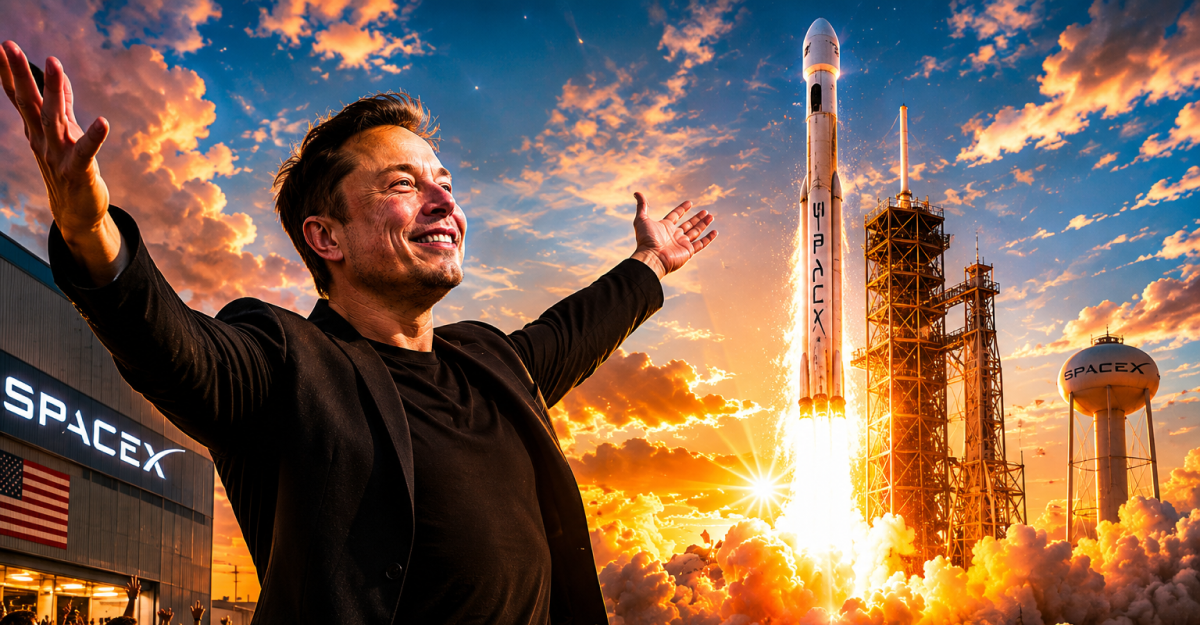
Musk’s companies are known for demanding standards.
His hiring philosophy prioritizes exceptional ability, particularly in engineering and technical problem-solving.
The reasoning is straightforward: a small number of outstanding performers often generate disproportionate results.
A highly capable team can solve complex challenges faster, innovate more effectively, and execute with greater precision than a much larger average workforce.
This focus has become a defining element of Elon Musk leadership style.
While critics debate aspects of his management approach, few question the importance he places on recruiting elite talent.
Takeaway: Team quality often matters more than team size. Exceptional people create exponential rather than linear impact.
7. Move Faster Than Traditional Companies
Speed is one of Musk’s most underrated competitive advantages.
SpaceX embraces rapid testing and iteration. Tesla regularly deploys software updates that improve vehicle functionality after purchase. Product development cycles are often significantly shorter than industry norms.
Traditional organizations frequently become trapped by bureaucracy, lengthy approval processes, and risk aversion.
Musk’s companies prioritize learning through action.
Mistakes happen, but faster experimentation often accelerates innovation.
In highly competitive industries, speed compounds over time. Small gains in execution velocity can produce substantial long-term advantages.
Takeaway: Faster learning frequently beats perfect planning. Momentum itself can become a strategic asset.
8. Vertically Integrate Everything Possible
Many businesses outsource critical functions.
Musk often brings them in-house.
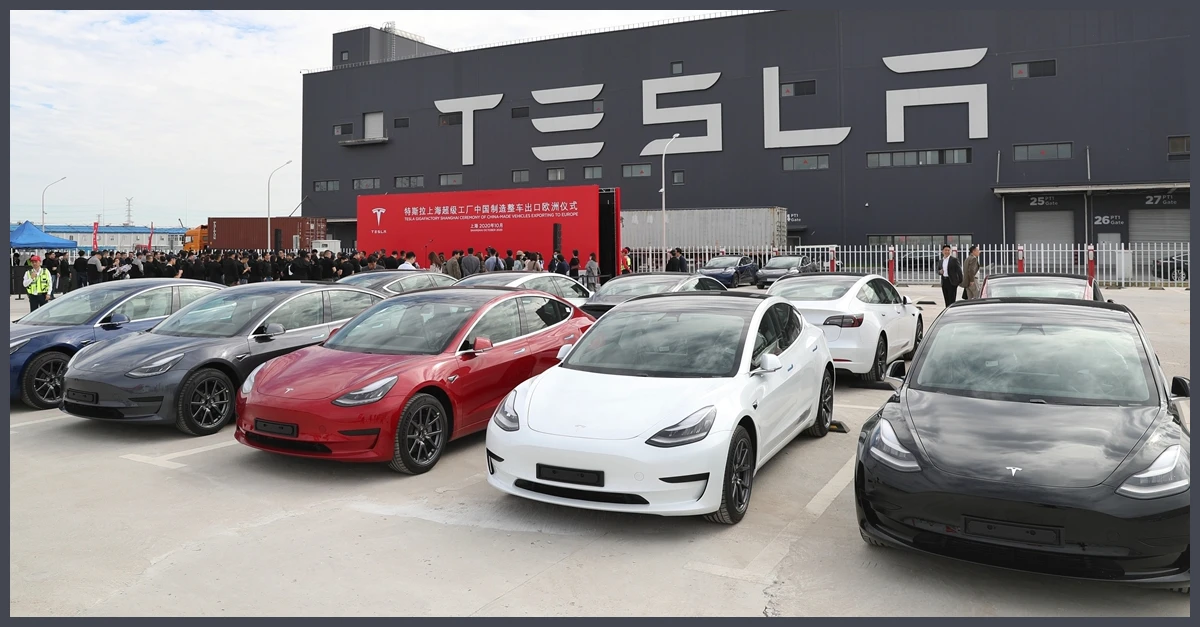
Tesla invests heavily in battery production and manufacturing. SpaceX designs and builds many rocket components internally. Starlink controls both satellite production and network deployment.
Vertical integration offers several advantages.
It reduces dependence on suppliers, improves quality control, accelerates innovation, and creates stronger margins over time.
Although managing more of the value chain increases complexity, it also provides greater control over outcomes.
This strategy has become a cornerstone of several Elon Musk companies.
Takeaway: Controlling critical parts of your business can unlock efficiency, innovation, and competitive resilience.
9. Turn Public Attention Into a Strategic Asset
Most corporations spend heavily on advertising.
Musk often generates global attention through visibility, storytelling, and personal branding.
For example, to promote Tesla, Elon heavily focused on the environment. Yeah! Look at his speeches where he says how eco-friendly the EVs are… And the best EV to have is Tesla! These aren’t my words. Just scroll through YouTube, and you’ll find it.
Product launches become news events. Company announcements spark worldwide discussion. Social media activity creates engagement that many marketing departments could only dream of achieving.
The result is billions of dollars worth of exposure.
Whether introducing Tesla vehicles, Starlink developments, or AI initiatives, Musk understands that attention is an economic asset.
This doesn’t mean every entrepreneur should imitate his communication style. The broader lesson is understanding how narratives influence business outcomes.
Takeaway: Strategic visibility can amplify products, attract customers, and strengthen competitive positioning.
10. Make the Mission Bigger Than Money
Perhaps the most powerful of all the effective strategies of Elon Musk is mission-driven execution.
Tesla aims to accelerate sustainable energy adoption. SpaceX seeks to make humanity multi-planetary. Neuralink explores brain-computer interfaces. xAI focuses on advancing artificial intelligence.
These missions extend beyond profit.
Large missions attract talented employees, inspire investors, generate media attention, and create emotional connections with customers.
People often work harder and remain more committed when they believe they are contributing to something meaningful.
Purpose becomes a competitive advantage.
Takeaway: A compelling mission can attract resources and loyalty that money alone cannot buy.
What Entrepreneurs Can Learn From Elon Musk?
Not every entrepreneur can build rockets or electric vehicles.
But the underlying principles remain surprisingly practical.
The most useful Elon Musk business lessons include questioning assumptions, thinking long-term, hiring exceptional people, moving quickly, and focusing on meaningful problems.
Equally important is understanding risk. Musk’s story is often presented as fearlessness, but it is better understood as calculated conviction. He studies industries deeply before making bold moves.
His career also demonstrates the value of execution. Great ideas matter, but relentless implementation matters more.
For professionals, founders, and business leaders, these billionaire success habits provide a framework for creating leverage in almost any field.
Note: We have also explained- “India vs China For Tesla: Which One Can Be More Beneficial?” Go through the article for detailed info!
Wrap-Up
The story of how Elon Musk became successful is not the story of a single breakthrough or lucky decision.
It is the story of repeatedly applying the same strategic principles across multiple industries.
In short, the 10 most effective strategies of Elon Musk are- first-principles thinking, long-term vision, calculated risk-taking, elite talent, rapid execution, vertical integration, and mission-driven leadership- have appeared again and again throughout his career.
His success offers a powerful reminder that extraordinary outcomes rarely come from doing ordinary things slightly better. More often, they come from seeing opportunities differently, challenging assumptions relentlessly, and building systems that turn bold ideas into reality.
In the end, the biggest advantage is not working harder than everyone else—it is learning to think differently before everyone else does!
