
Think about how most children learn to speak their first language. They listen, imitate, play, make mistakes, and gradually become more confident. However, that’s not the case while learning a second language- especially English!
People who do not have English as their first language know the struggle to achieve fluency in it.
Hence, English learning should feel just as natural, yet many traditional ESL classes still rely on grammar drills and memorization that can quickly drain a child’s enthusiasm. That’s why Novakid Courses have caught the attention of many parents.
With interactive one-on-one lessons and a speaking-first approach, they aim to make English feel less like homework and more like a real conversation. But what actually makes them different? Let’s take a closer look!
What Is Novakid?
Novakid is an online English-learning platform designed primarily for children between 4 and 12 years old. Lessons are conducted live with qualified teachers in a one-on-one virtual classroom that combines interactive activities, games, animations, and speaking practice.
Unlike many traditional language schools, the Novakid school model emphasizes active participation from the first lesson. Children spend less time listening and more time speaking, responding, and solving interactive tasks.
Its curriculum is largely aligned with the Common European Framework of Reference for Languages (CEFR), allowing learners to progress through internationally recognized proficiency levels.
A typical lesson includes:-
- Guided conversation
- Vocabulary building
- Pronunciation practice
- Interactive reading
- Listening exercises
- Educational games
- Progress assessment
The platform is especially suitable for younger learners who benefit from visual learning and regular conversation practice.
Why Novakid Courses Feel Different From Traditional ESL Programs?
Many ESL programs still rely heavily on textbooks and teacher-led instruction. That method works for some learners, but younger children often learn languages more effectively when they actively use them.
That is where Novakid Courses takes a different approach.
Traditional ESL vs Novakid
| Traditional ESL | Novakid Courses |
| Textbook-centered | Interactive digital classroom |
| Grammar taught before speaking | Speaking-first methodology |
| Fixed classroom pace | Personalized learning pace |
| Large groups | One-on-one lessons |
| Limited participation | Continuous interaction |
| Standard homework | Gamified practice and activities |
| Paper assessments | Digital progress tracking |
Instead of waiting until students master grammar, Novakid encourages children to communicate from the beginning.
Imagine your child learning sentence structure by solving puzzles, answering questions, and playing language games rather than filling out repetitive worksheets. That shift often keeps motivation much higher.
Another difference is personalized instruction. Teachers adjust lesson speed according to each child’s confidence and progress rather than following an identical classroom schedule.
Top 10 Novakid Courses That Stand Out
Although Novakid structures learning through CEFR-based pathways rather than dozens of independent courses, parents commonly refer to these learning tracks as Novakid Courses because each focuses on a different stage or skill.
| Course | Best For | Key Skills | Unique Feature |
| Starter English | Ages 4 to 6 | Vocabulary | Visual learning |
| Early Speaking | Beginners | Conversation | Speaking from day one |
| Phonics | Young readers | Pronunciation | Interactive reading |
| Everyday Conversation | Elementary learners | Fluency | Real-life scenarios |
| Grammar Through Context | Intermediate | Grammar | Game-based learning |
| CEFR Foundation | Structured progression | Overall English | International framework |
| Vocabulary Expansion | All learners | Word building | Story-based learning |
| Listening & Pronunciation | All levels | Accent and listening | Live corrections |
| Reading & Storytelling | Growing readers | Reading and speaking | Discussion-based |
| Advanced Communication | Older children | Critical thinking | Open conversations |
Let’s go through the details-
1. Beginner English Foundations
Best for: Children aged 4 to 6 or first-time English learners
Every child’s English journey starts with building confidence, not memorizing rules. This beginner learning pathway introduces essential vocabulary through familiar topics such as family, animals, colors, numbers, food, and everyday objects. Children also learn simple greetings, basic questions, and short conversational phrases they can use immediately.
Instead of asking students to memorize long vocabulary lists, lessons encourage them to practice new words through songs, interactive games, animations, and conversations with their teacher. This approach helps children associate English with real communication rather than textbook exercises.
2. Speaking Confidence Pathway
Best for: Learners who understand basic English but hesitate to speak
Many children know English words but feel nervous using them aloud. Novakid addresses this challenge by creating lessons where speaking becomes the central activity from the very beginning. Teachers encourage learners to answer questions, describe pictures, role-play everyday situations, and participate in short conversations throughout each lesson.
Unlike many traditional ESL classrooms that focus heavily on grammar before conversation, this pathway builds confidence first. Grammar develops naturally as children become comfortable expressing themselves.
3. Phonics and Early Reading Development
Best for: Early readers developing pronunciation and literacy skills
Reading begins with understanding how letters and sounds work together. Novakid integrates phonics instruction with engaging visual stories, pronunciation practice, and listening exercises that help children recognize common sound patterns.
Rather than simply teaching children to sound out individual letters, lessons emphasize correct pronunciation, reading fluency, and understanding the meaning of what they read. This combination supports both literacy and spoken English development.
4. Everyday English Communication
Best for: Elementary learners ready for practical conversations
Once children have developed basic vocabulary, they begin applying English in everyday situations. Lessons introduce realistic scenarios such as talking about school, hobbies, birthdays, shopping, weather, travel, family, and daily routines.
Instead of practicing scripted dialogues repeatedly, students respond to teacher questions, describe personal experiences, and solve simple communication tasks. This practical focus helps learners use English naturally outside the virtual classroom.
5. Grammar in Context
Best for: Learners developing sentence accuracy
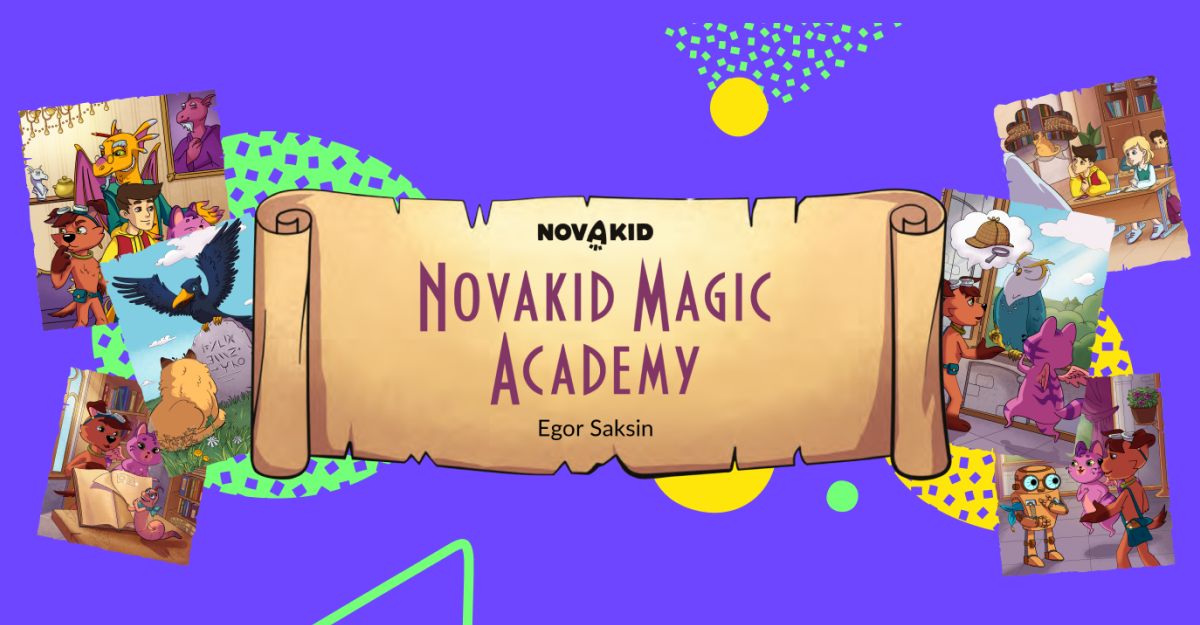
Many parents search online for a Novakid grammar test answer key, expecting traditional grammar worksheets. Novakid takes a different educational approach by teaching grammar within meaningful conversations rather than isolated exercises.
Children encounter sentence structures while telling stories, answering questions, reading short passages, and participating in games. Teachers explain grammar as it appears naturally during communication, making new concepts easier to understand and remember.
6. CEFR-Based Progression
Best for: Families seeking structured language development
Novakid organizes its curriculum around the Common European Framework of Reference for Languages (CEFR), an internationally recognized standard used to measure language proficiency. As learners progress through the program, they gradually build listening, speaking, reading, and vocabulary skills appropriate for each level.
This structured pathway allows parents to monitor measurable progress while ensuring children develop language skills in a logical sequence rather than learning disconnected topics.
7. Vocabulary Building Through Stories
Best for: Children expanding everyday vocabulary
Learning hundreds of new words can feel overwhelming when vocabulary is taught in isolation. Novakid introduces new language through stories, visual scenes, conversations, and interactive classroom activities that give each word meaningful context.
Children repeatedly encounter vocabulary across different lessons, making it easier to remember and use naturally during future conversations instead of simply recalling definitions.
8. Listening and Pronunciation Practice
Best for: Learners improving fluency and spoken English
Good pronunciation develops through regular listening and immediate correction. During live lessons, teachers continuously model natural speech, encourage careful listening, and gently correct pronunciation mistakes as they occur.
This real-time feedback helps children improve clarity, rhythm, and confidence in speaking, something that can be more challenging to provide consistently in larger group classrooms.
9. Reading Comprehension and Storytelling
Best for: Intermediate learners developing language fluency
As children become stronger readers, lessons introduce increasingly engaging stories designed to improve both comprehension and communication. Students read short passages before discussing characters, events, opinions, and possible story endings with their teacher.
This transforms reading into an active speaking exercise that strengthens comprehension, vocabulary, and critical thinking at the same time.
10. Advanced Communication and Critical Thinking
Best for: Older or more advanced English learners
As learners become more confident, lessons move beyond simple conversations into discussions that require reasoning, creativity, and problem-solving. Children may compare ideas, explain opinions, describe experiences, predict outcomes, or participate in guided debates using age-appropriate topics.
Rather than memorizing prepared dialogues, students learn to express original thoughts with increasing confidence, helping them develop the communication skills needed for both academic success and everyday interactions.
Which Novakid Course Fits Your Child?
| Age or Learning Goal | Recommended Learning Path |
| 4 to 6 years | Starter English |
| First English lessons | Early Speaking |
| Reading confidence | Phonics and Reading |
| Better pronunciation | Listening and Pronunciation |
| Everyday communication | Everyday Conversation |
| Grammar improvement | Grammar Through Context |
| Advanced fluency | Advanced Communication |
How Novakid Uses Gamification to Keep Children Engaged?
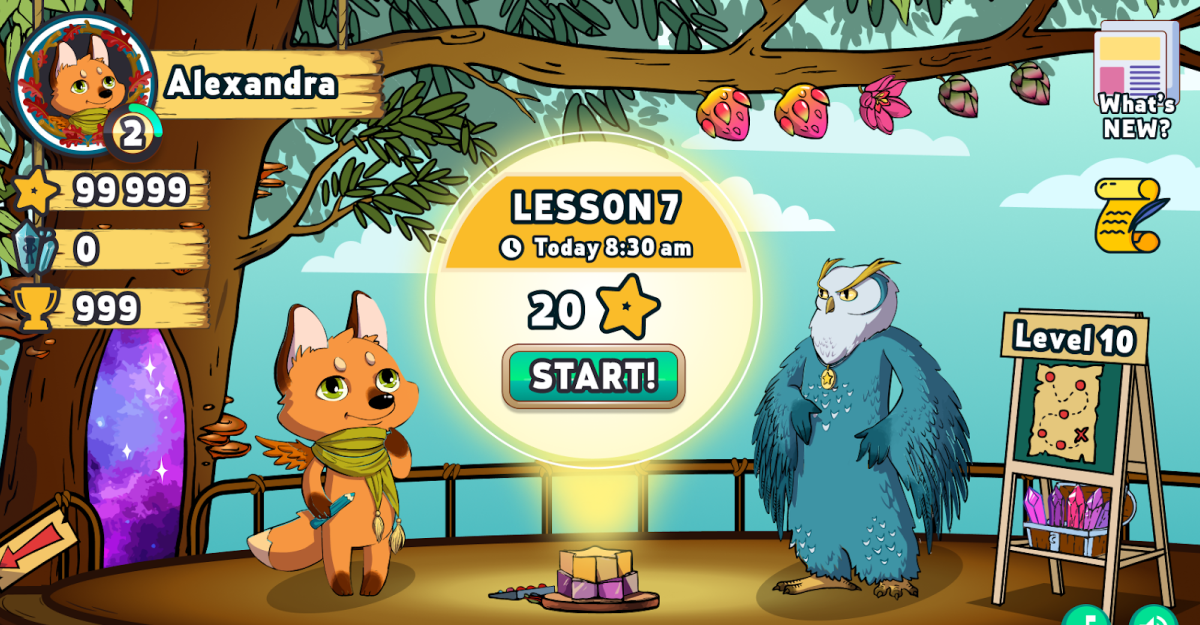
One reason children remain engaged is that lessons feel more like interactive adventures than traditional classes.
Features include:
- Achievement badges
- Progress rewards
- Animated characters
- Interactive quizzes
- Story-based challenges
- Speaking games
The platform has also introduced experiences such as Novakid Starbound, which combines educational activities with game-like progression. Rather than rewarding children only for correct answers, these activities encourage consistent participation and practice.
Here’s what makes this interesting.
Educational research consistently shows that younger learners stay motivated when lessons include immediate feedback and visible progress. Gamification is not simply entertainment. When designed well, it reinforces learning habits.
Note: We have covered two other apps for English learning. Give them a read for more info-
- Duolingo Success Story: How Duolingo became the world’s top #1 language learning app?
- 10 Secret Tips for IELTS Listening Practice Test British Council
How Parents Can Track Progress?
Parents often wonder how the learning process continues outside live lessons.
The Novakid parental app provides access to:
- Lesson summaries
- Homework
- Teacher feedback
- Learning milestones
- Progress reports
- Upcoming lesson schedules
How does the Novakid parental app work?
The app allows parents to monitor completed lessons, view teacher comments, manage scheduling, and review their child’s progress over time. Instead of relying only on report cards, parents receive continuous updates about learning development.
Teaching Online With Novakid
Interest in teaching online with Novakid has grown as remote education expands globally.
Teachers generally need:
- Strong English proficiency
- Teaching experience or relevant qualifications
- Reliable internet connection
- Suitable computer equipment
- Child-friendly communication skills
People researching Novakid hiring, Novakid application, Novakid apply online, or the Novakid application process should note that hiring requirements, teacher qualifications, and recruitment procedures may change over time. Applicants should always verify current information through Novakid’s official careers pages.
After joining, teachers typically access classes through their Novakid login portal.
Some candidates also search for the company’s Novakid address, particularly during recruitment or customer support inquiries. Official contact information is available through the company’s website and regional support channels.
Teacher Requirements
| Requirement | Details |
| English proficiency | High level of spoken English |
| Teaching background | Preferred or required depending on role |
| Equipment | Computer, headset, webcam, stable internet |
| Schedule | Flexible availability |
| Child engagement | Strong communication skills |
| Recruitment | Requirements may change over time |
Novakid Pricing and Payment
Novakid generally offers lesson packages and subscription-based plans rather than a single fixed price.
What payment methods does Novakid accept?
Available payment methods vary by country but commonly include:
- Credit cards
- Debit cards
- Online payment services
- Regional payment options
Parents searching for Novakid zniżka are usually looking for discounts or promotional offers available in Poland or other specific regions. These promotions vary throughout the year.
Is Novakid Good for Kids?
Many parents ask, Is Novakid good for kids?
The answer depends on the child’s learning style.
Advantages
- Strong focus on speaking confidence
- Personalized one-on-one lessons
- Interactive classroom experience
- CEFR-based progression
- Flexible scheduling
- Immediate teacher feedback
Possible limitations
- Requires reliable internet access
- Individual lessons may cost more than group classes
- Some children enjoy classroom social interaction more than one-on-one instruction
- Parents may still need to encourage regular practice outside lessons
Children who enjoy technology, games, and conversation often benefit the most.
Those who prefer face-to-face classroom environments or collaborative group learning may find traditional language schools more suitable.
FAQs (Frequently Asked Questions)
What is Novakid?
Novakid is an online English-learning platform that provides live, one-on-one English lessons for children, generally aged 4 to 12, using an interactive and CEFR-aligned curriculum.
Is Novakid good for kids?
For many children, yes. Its speaking-first approach, interactive lessons, and personalized instruction can help build confidence and communication skills. Whether it is the best choice depends on the child’s learning preferences and family budget.
How long are Novakid English lessons?
Lesson lengths vary by program, but standard sessions are commonly around 25 minutes, which suits the attention span of younger learners.
What payment methods does Novakid accept?
Payment options vary by region and may include major credit cards, debit cards, and supported online payment services.
How does the Novakid parental app work?
The app lets parents schedule lessons, monitor progress, read teacher feedback, and manage their child’s learning activities.
How to become a Novakid teacher?
Interested applicants should review the latest eligibility criteria through Novakid’s official recruitment portal, complete the application, and follow the interview and assessment process if selected.
How much is the salary in Novakid?
A fixed Novakid salary cannot be stated because compensation depends on factors such as qualifications, country, experience, contract terms, and teaching hours.
How much does Novakid pay?
Teacher pay varies and may change over time. Prospective teachers should consult official recruitment information for the latest compensation details.
What are the 4 levels of teachers in Novakid?
Any internal teacher-level structure is subject to change. If Novakid currently uses teacher levels, applicants should verify the latest information through official hiring documentation.
What is a Level 7 teacher?
The term “Level 7 teacher” is not a universally recognized teaching designation and may refer to a specific organization’s internal ranking system rather than a standard educational qualification.
What is the highest-paid school teacher?
There is no single highest-paid school teacher globally. Salaries vary significantly depending on country, institution, experience, and leadership responsibilities.
What is the minimum salary of a teacher?
Minimum teacher salaries differ widely by country, education system, qualifications, and employment type.
Which teacher is a billionaire?
There is no widely recognized billionaire whose wealth comes solely from working as a school teacher. Some former educators have become billionaires through entrepreneurship or investments.
क्या नोवाकिड बच्चों के लिए अच्छा है?
हाँ। यदि बच्चा इंटरैक्टिव गतिविधियों, खेलों और बातचीत के माध्यम से सीखना पसंद करता है, तो नोवाकिड उसके लिए एक प्रभावी विकल्प हो सकता है। फिर भी, सही प्लेटफ़ॉर्म बच्चे की सीखने की शैली पर निर्भर करता है।
नोवाकिड शिक्षकों का भुगतान कैसे करता है?
भुगतान की शर्तें समय, देश, अनुबंध और शिक्षक की योग्यता के अनुसार अलग हो सकती हैं। नवीनतम जानकारी के लिए नोवाकिड की आधिकारिक वेबसाइट या भर्ती दस्तावेज़ देखना सबसे अच्छा है.
Final Thoughts
Choosing an online English program is not simply about selecting the most popular platform. It is about finding a learning environment that matches how your child stays curious, engaged, and confident.
The biggest strength of Novakid Courses is that they prioritize conversation, interaction, and personalized instruction rather than treating English as a subject built around memorization alone. While no single platform is perfect for every learner, families looking for a speaking-first, technology-enabled approach may find that these Novakid Courses offer a refreshing alternative to traditional ESL programs.
The right choice ultimately depends on your child’s goals, learning style, and the level of support you want from an online English-learning experience!
