
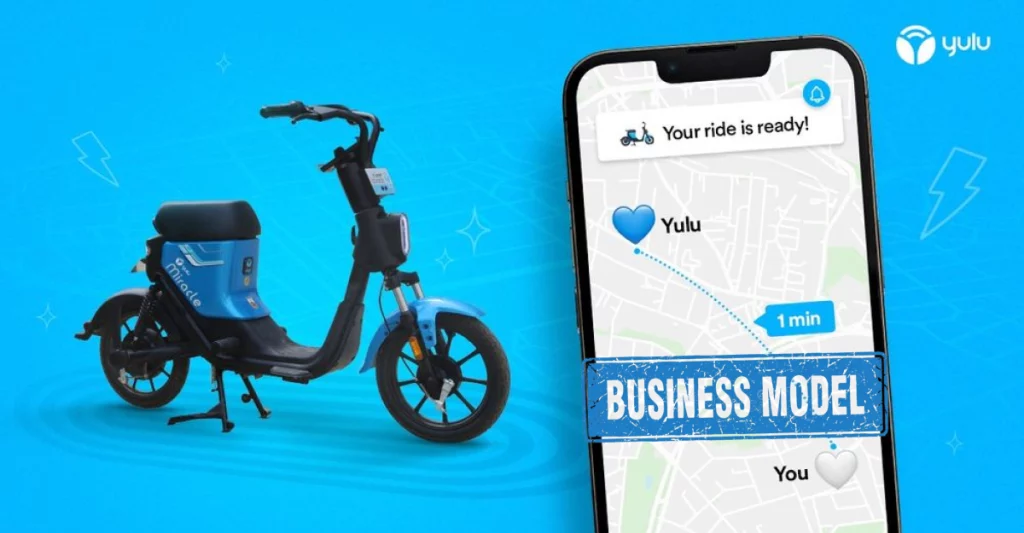
Have you ever noticed those sleek, blue-grey-black electric two-wheelers parked around your city or zipping by with delivery riders? If you live in a city like Bengaluru or Mumbai, chances are you’ve seen them already.
They’re not from Ola or Ather — they belong to Yulu, a brand that’s quietly but powerfully transforming urban mobility in India.
Today, let me take you on a journey through the Yulu Business Model — how it works, how it makes money, and why it’s growing so fast.

Whether you’re curious about clean mobility, interested in business models, or just wondering what makes Yulu click, this is going to be worth your time!
What is Yulu?
Yulu is an Indian urban mobility company based in Bengaluru that offers shared, electric two-wheelers for short rides and deliveries. Think of it like a bicycle-sharing service — but electric, faster, and more tech-driven. You can rent one of their bikes with just a few taps on your phone.
Started in 2017 by Amit Gupta, RK Misra, and Naveen Dachuri, Yulu’s mission is simple: solve the chaos of city traffic with clean, easy, and affordable transportation.
Yulu Company Profile at a Glance
| Particulars | Details |
| Type of Company | Private Limited |
| Industry | Mobility as a Service (MaaS) |
| Founded | August, 2017 |
| Headquarters | Bengaluru (Karnataka, India) |
| Founders | Amit Gupta (Co-founder & CEO), RK Misra (Co-founder), Naveen Dachuri (Co-founder), Anuj Tewari (Co-founder & CFO) |
| Key Investors | Bajaj Auto, Magna International, Blume, Rocketship |
| Fleet Size | 45,000+ vehicles (Target: 100,000 by end 2025) |
| Key Cities | Bengaluru, Mumbai, Delhi NCR, Hyderabad |
| Users | 4 million+ |
| Competitors | Zypp, Bounce, Revel, Lime, GreenCell, Epick Bikes |
Why Is It Called “Yulu”?
The name Yulu comes from a Chinese word meaning “simple.” That’s exactly what the founders were aiming for — a name that sounded clean, global, and easy to remember. The name was chosen by the co-founder, Amit Gupta.
Why?
Because, after struggling with the name of his earlier company (mKhoj), he wanted something that wouldn’t confuse people. And thus, Yulu was born — short, sweet, and perfectly aligned with its mission.
How Does Yulu Work?
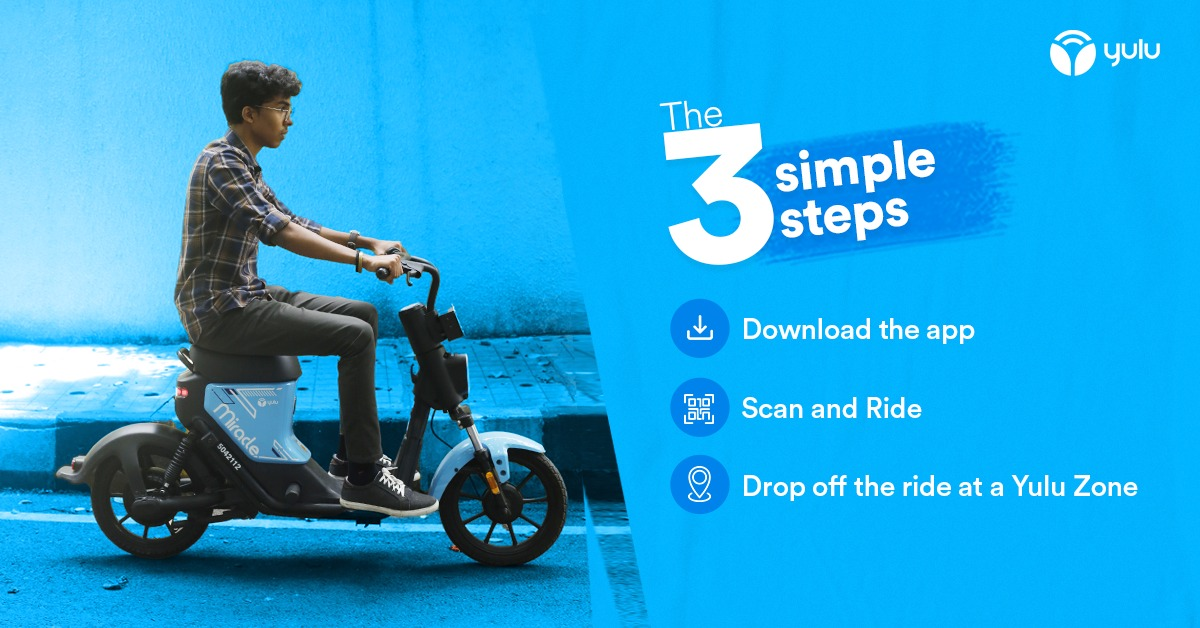
You don’t need a license. You don’t need to wait in traffic for a cab. You just open the app, find a Yulu vehicle, scan the QR code, and ride. It’s that easy. Here’s how the Yulu Business Model functions step-by-step:-
Step-by-Step Breakdown of Yulu Operations
| Step | Action | Details |
| 1. | Download the App | Available on the Play Store and App Store |
| 2. | Find a Yulu Zone | The app shows nearby parking stations |
| 3. | Unlock the Bike | Scan QR code via app (INR 199 deposit may apply) |
| 4. | Ride & Park | Ride to your destination, park at any Yulu Zone |
| 5. | Battery Swapping | Yuma Energy stations allow instant battery swaps for longer use |
| 6. | Long-Term Rentals | Available for delivery partners and frequent users |
| 7. | No License Required | Anyone can ride, making it accessible for students, tourists, and workers |
What sets Yulu apart is that it’s not just about transport — it’s a tech-driven ecosystem. Using IoT, AI, and machine learning, Yulu constantly optimizes routes, fleet distribution, and battery life. The company’s joint venture, Yuma Energy, with Magna helps in managing the battery-swapping infrastructure.
Yulu Business Model: How Yulu Makes Money?
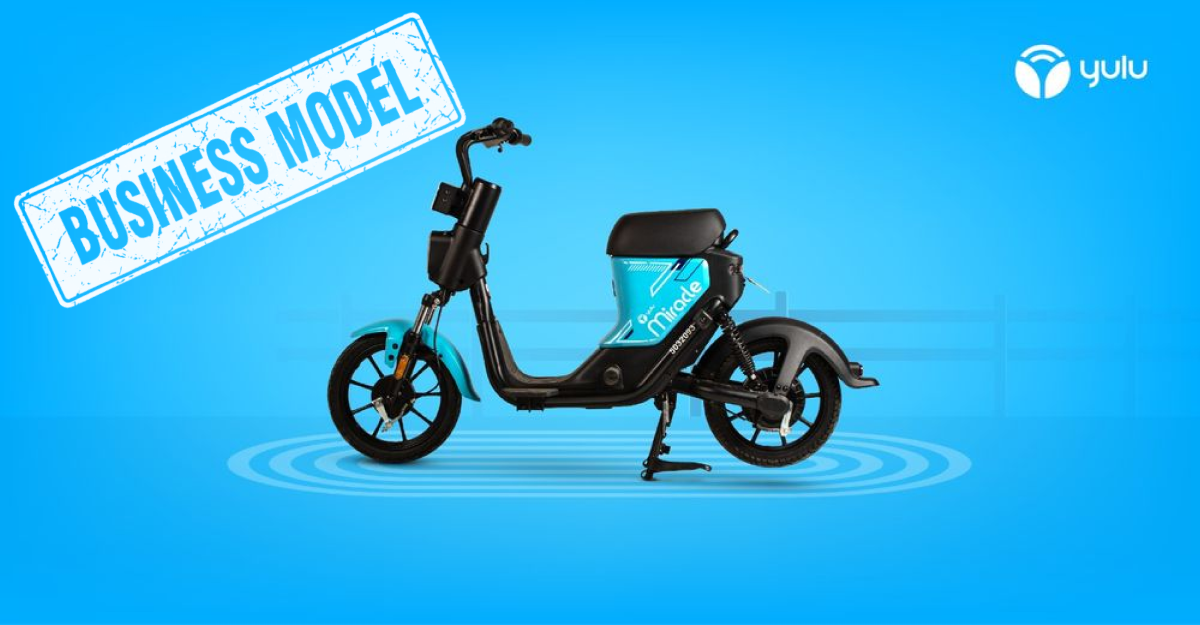
Let’s dig into what makes the Yulu Business Model tick. At its heart, Yulu operates on a mobility-as-a-service (MaaS) platform. But it’s more than just a ride-sharing app. It’s a complete ecosystem involving rentals, battery services, vehicle sales, and partnerships.
Key Revenue Streams
| Revenue Source | Details |
| Rental Fees | Core income via per-minute rides and subscription packs (Yulu Miracle model charges ₹2.5 per minute plus a base fare and a 1-day rental at ₹299) |
| Subscription & Long Term | Rental packs for delivery workers, contributing significantly to revenue |
| Corporate Partnerships | Rides for Swiggy, Zepto, Blinkit, and Zomato (20M+ green deliveries/month) |
| Battery-as-a-Service (BaaS) | Managed via Yuma Energy JV; enables battery swapping |
| Electric Scooter Sales (Wynn) | Launched in 2023; personal electric vehicle sales |
| Advertising & Miscellaneous | Minor revenue via ads and partnerships |
With delivery services exploding in India, Yulu has become the go-to mobility partner for companies like Blinkit, Zomato, and Swiggy, powering over 20 million deliveries every month.
Financial Performance: How Well is Yulu Doing?
Yulu isn’t just growing in popularity — it’s also making serious financial strides. In fact, it turned EBITDA positive in 2024, showing that its core operations are profitable.
Financial Overview
| Financial Aspects | Details |
| Valuation (2024) | $210 million (₹1,700 crore) |
| FY24 Revenue | ₹119.9 crore (~$15 million), up from ₹41.7 crore in FY23 |
| Net Loss (FY24) | ₹135 crore, increased from ₹95 crore in FY23 |
| EBITDA Status | Positive in FY24 |
| Annual Recurring Revenue | $30 million (₹250 crore) |
| Funding Raised | $123 million equity + $12 million debt till 2024 |
| Planned Expansion | Fleet to grow from 45,000 to 100,000 EVs by the end of 2025 |
While the company is still operating at a net loss, the positive EBITDA and rising ARR signal that Yulu is on the right track, especially as demand continues to grow.
Marketing Strategies That Made Yulu Successful
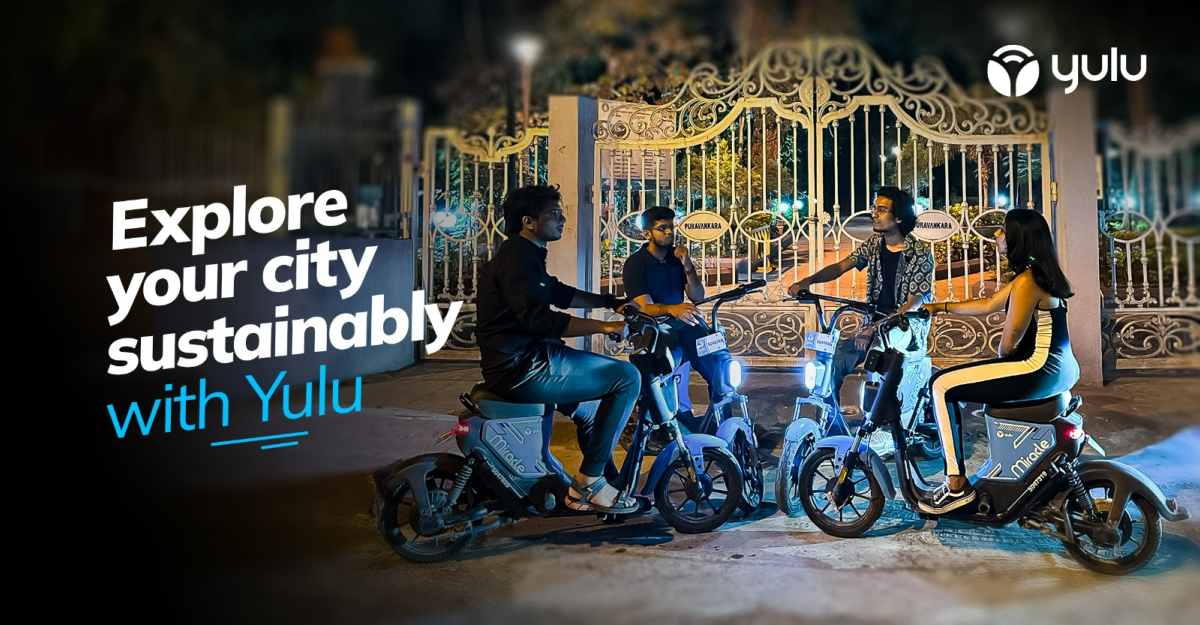
You might wonder — how did a niche EV company get so popular so quickly? The answer lies in smart, localized marketing and strong B2B partnerships. Here’s how Yulu spreads the word and builds its customer base.
Yulu’s Winning Marketing Tactics
| Strategy | How does it work? |
| Customer Segmentation | Target delivery riders, office goers, students, and women with tailored messages |
| Localized Social Media | City-specific promotions and campaigns (e.g., different messaging in Mumbai vs. Bengaluru) |
| Content & SEO Strategy | Blogs, videos, and infographics on sustainability and clean commuting |
| Strategic B2B Partnerships | Works with Zomato, Swiggy, Zepto, Blinkit for delivery fleet needs |
| On-ground Promotions | Events, safety workshops, and group rides to build trust and awareness |
| Dynamic Pricing | AI-based pricing based on real-time user demand and usage patterns |
| Focus on Safety | Campaigns highlighting safety and ease of use, especially for women and first-time users |
This multi-layered strategy ensures Yulu isn’t just another EV brand — it becomes part of the daily life of its users, whether they’re commuting to work or delivering your late-night snacks.
Future Plans: What’s Next for Yulu?
The Yulu Business Model is built for scale. With a strong foundation in place, the company is preparing for its next phase: aggressive expansion and a potential IPO.
Yulu’s Future Roadmap
| Aspect | Plans |
| Fleet Expansion | 100,000 vehicles by the end of 2025 |
| Funding Goals (2025) | Raise $75–80 million in equity + $100 million in Series C debt/equity funding |
| IPO Possibility | Considering public listing in 2–3 years |
| Geographical Expansion | Deeper presence in Tier-2 cities and newer metro zones |
| New Offerings | More electric scooter models, expanded BaaS via Yuma Energy |
Conclusion: Why the Yulu Business Model Is the Future?
Here’s the thing — the Yulu Business Model isn’t just a business plan. It’s a vision for a cleaner, more efficient India. By targeting real-world problems like traffic, pollution, and accessibility, Yulu isn’t just growing — it’s changing lives.
From tech parks to delivery hubs, from college students to corporate employees, Yulu has tapped into something very real — the need for smart, simple, and sustainable urban mobility.
So next time you see a blue Yulu zipping by, you’ll know — it’s not just a scooter. It’s a small wheel in a much bigger revolution!
Frequently Asked Questions (FAQs)
1. What is Yulu?
Yulu is an Indian electric micro-mobility platform offering shared e-bikes and scooters for short-distance travel in urban areas. It aims to reduce traffic congestion and pollution through sustainable mobility solutions.
2. How does Yulu work?
Yulu operates on a rental basis. Users can download the Yulu app, locate a Yulu Zone nearby, scan a QR code to unlock the e-bike or scooter, ride, and park it at designated Yulu parking zones.
3. Where can I find a Yulu bike near me?
You can find a Yulu bike near you using the Yulu mobile app, which displays available bikes and parking zones in real-time in your area.
4. Is the Yulu bike available in Gurgaon?
Yes, Yulu bikes are operational in various parts of Gurgaon, especially near corporate hubs, metro stations, and residential societies.
5. Can I find Yulu bikes in Delhi?
Absolutely. Yulu bikes are available across many key locations in Delhi, particularly for last-mile connectivity and delivery use.
6. What is the Yulu bike price per ride?
The ride typically costs Rs. 1 to Rs. 2 per minute, with an initial unlocking fee of Rs.10. Subscription models are also available for regular users and delivery partners.
7. What types of vehicles does Yulu offer?
Yulu offers electric scooters like the Yulu Miracle, Yulu Wynn, and the Yulu DeX, which is specifically designed for delivery professionals.
8. What is the Yulu DeX price?
The Yulu DeX is not sold directly but is offered on a subscription/rental basis. Plans start from Rs.150 per day for delivery personnel, depending on the city and duration.
9. What is Yulu’s business model?
Yulu follows a Mobility-as-a-Service (MaaS) model, earning revenue from rentals, subscriptions, battery swapping (via Yuma Energy), and partnerships with food delivery and logistics companies.
10. How much is the salary of a business analyst at Yulu?
A Business Analyst at Yulu can expect a salary between ₹6–10 LPA, depending on experience, location, and role.
11. Can I become a Yulu business partner?
Yes, Yulu is expanding through franchise partnerships, especially in Tier 2 and Tier 3 cities. Interested partners can reach out via their official website or customer care.
12. Is there a Yulu business case study available?
Yes, several case studies on Yulu highlight its impact on sustainable mobility, urban planning, and last-mile delivery, especially after its collaboration with Bajaj Auto and Magna International.
13. How can I contact Yulu customer care?
You can contact Yulu’s customer care by calling their helpline at +91 80393 13131 or emailing them at support@yulu.bike.
14. What are Yulu’s rules for riders?
Users must be 18+ years old, wear helmets, follow traffic rules, and park only in designated Yulu Zones. Misuse of bikes may lead to fines or bans.
15. Where can I get the Yulu company details?
Yulu is operated by Yulu Bikes Pvt. Ltd., headquartered in Bengaluru. The company was founded in 2017 and has raised over $123 million in funding to date.
