
When you think about how you handle money today, chances are you no longer rely only on traditional banks. You probably use apps to send cash, invest in crypto, or manage expenses. That’s where the Fintech Startups of Europe step in.
These companies have completely reshaped finance for you, making it faster, smarter, and more transparent. From the UK to France, from Denmark to the Netherlands, these top fintech companies in Europe are changing the way you save, spend, and grow your money.
The top fintech players are not just offering banking, they’re offering you control, convenience, and freedom. Let’s look into the top 10 fintech startups of Europe that you simply can’t ignore.
List: Fintech Startups of Europe in 2026
Below you’ll find a quick look at the leading players who are dominating Europe’s fintech space right now. Each of them has a different story, but all of them have one thing in common: they’ve transformed finance in the European region.
| Name & Country | Year | Founder(s) | Valuation | Revenue & Net Profit | Main Product Driving Profit |
| Revolut (UK) | 2015 | Nikolay Storonsky, Vlad Yatsenko | $75 billion | $4 billion (Revenue 2025) & $1 billion (Profits 2025) | Multi-service neobank and financial super app |
| Qonto (France) | 2016 | Alexandre Prot, Steve Anavi | $5 billion | €448.7 million (Revenue in 2024) & €144 million (Net Profits) | Business banking platform for SMEs |
| Pleo (Denmark) | 2015 | Jeppe Rindom, Niccolo Perra | $4.7 billion | $110.3 million (Revenue 2025) | Company expense management via smart cards |
| Bunq (Netherlands) | 2012 | Ali Niknam | €1.65 billion | €85.3 million (Profit 2025) | Neobank offering personal and business accounts |
| Agicap (France) | 2016 | Jérôme Basset, Flavien Pellerin | €700-800 million (or $750-860 million) | €45 million/$45.4 million (Revenue 2024); | Cash flow forecasting for SMEs |
| Tink (Sweden) | 2012 | Daniel Kjellén, Fredrik Jagemar | Acquired for €1.8 billion (approx $2.2 billion) | Not publicly disclosed | An open banking platform providing data and payments |
| Zilch (UK) | 2020 | Philip Belamant, Alexandre Boucher | $2.16 billion | £110.3 million (Revenue 2025); £10.5 million (Loss 2025) | Interest-free payment credit network |
The following sections will provide you with the details of each app.
Revolut – The $75 Billion Super App from the UK
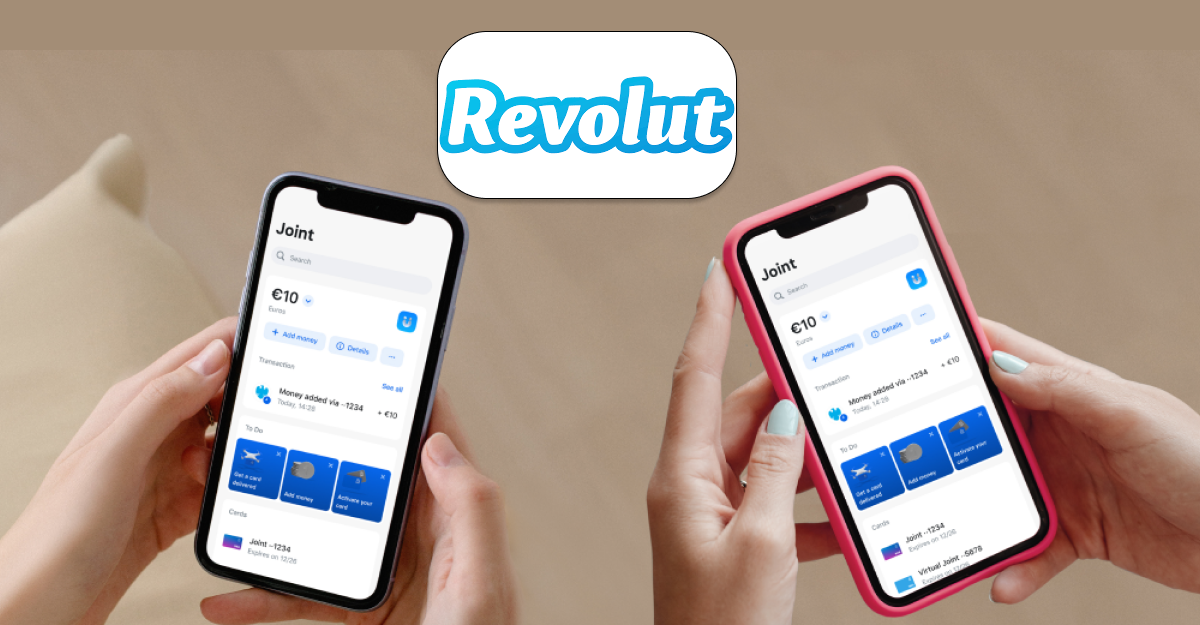
Would you believe, if I say that you can carry a whole bank in your pocket? Not just an ordinary bank but exceptionally smarter, cheaper, and faster. That’s what Revolut gives you. Launched in 2015 by Nikolay Storonsky and Vlad Yatsenko, Revolut has now become one of the biggest Fintech Startups of Europe, with a jaw-dropping valuation of $75 billion in 20.
In just a decade, Revolut has grown to serve over 60 million customers worldwide, even surpassing old giants like HSBC in customer base size. Its revenue in 2025 hit $4 billion, with $1 billion in profit. That’s not just survival—that’s domination.
What makes Revolut special for you? It’s a multi-service neobank that does everything:
- Banking & Payments: Multi-currency accounts, debit and credit cards, local and international transfers in 25+ currencies.
- Wealth Management: Stock trading, cryptocurrency exchange, and even staking services.
- Loans & Credit: Overdrafts, personal loans, and soon mortgages, thanks to its UK banking license.
- Savings & Investments: Earn interest, invest in global markets, all from one app.
- Subscription Plans: Premium, Metal, and Ultra with extra perks.
And here’s something surprising: Revolut’s crypto business revenue grew 300% in 2024, fueling its profits. That’s why it’s often called the “super app of finance.”
Revolut is also expanding geographically—you may soon see it in Mexico, India, and the US. For you, that means your favorite European fintech might soon become your global financial partner.
Qonto – Making Business Banking Easy in France
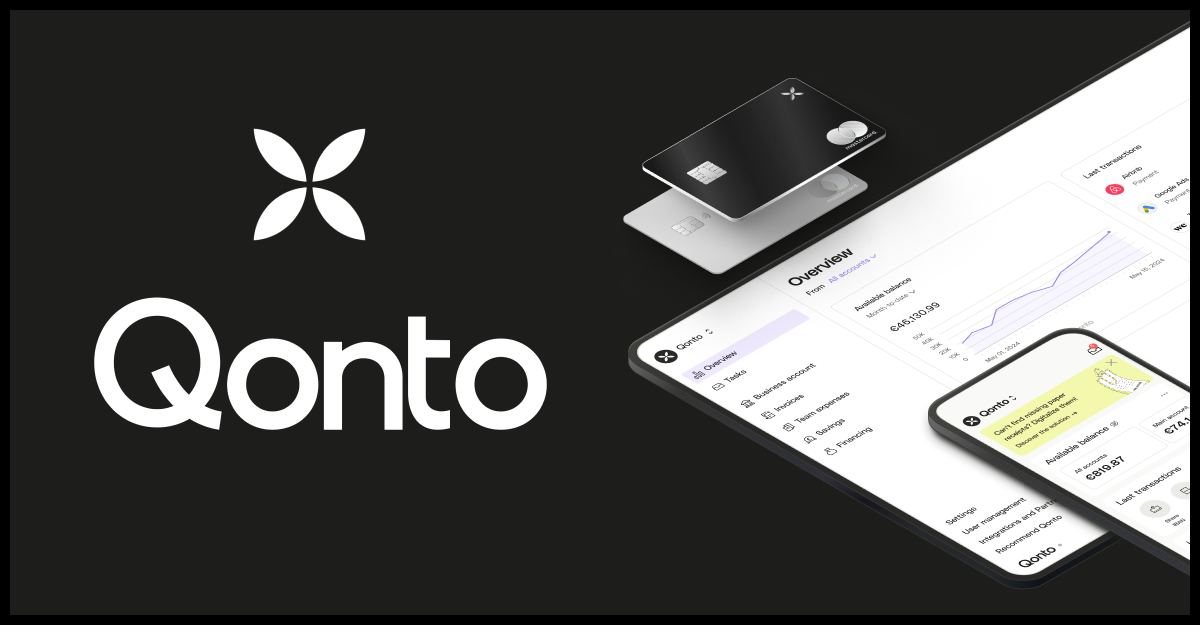
Running a business often means dealing with complicated banking, right? Not if you use Qonto. Founded in 2016 in Paris by Alexandre Prot and Steve Anavi, Qonto is built just for SMEs and freelancers like you.
With a valuation of $5 billion, Qonto recorded €448.7 million in revenue and €144 million in net profits in 2024. Its strength? A business banking platform that saves you time.
Here’s what you get:
- Business bank accounts with local IBANs.
- Smart cards for your employees with budget limits.
- Invoice management in multiple currencies.
- Automated expense tracking and accounting integration.
- Loans and invoice financing for growth.
If you’re tired of juggling receipts, expense reports, and invoices, Qonto acts like your all-in-one assistant. Its subscription model means you only pay for what you need—whether you’re a solo freelancer or running a 50-person company.
No wonder thousands of European businesses are switching to Qonto.
Pleo – Smart Spending for Teams in Denmark

You know the headache of managing company expenses—employees paying from their pockets, messy reimbursements, and endless reports. Pleo, founded in 2015 by Jeppe Rindom and Niccolo Perra in Copenhagen, fixes all of that.
Pleo’s valuation stands at $4.7 billion, with $110.3 million in revenue in 2025. Its secret? Smart company cards and automated expense management.
Here’s how it works for you:
- Employees get smart cards with pre-set spending limits.
- Every purchase is tracked in real time.
- Receipts are automatically attached.
- Finance teams get full visibility—no surprises.
With over 40,000 companies using it across Europe, Pleo makes work spending stress-free. No more chasing receipts. No more waiting weeks for reimbursement. It’s like giving your company a financial brain.
Bunq – The Bank of The Free from the Netherlands

What if your bank gave you both freedom and sustainability? That’s the promise of Bunq, founded in 2012 by Ali Niknam in Amsterdam.
Nicknamed the “Bank of the Free,” Bunq now operates in 30 European countries and has a valuation of €1.65 billion. In 2025, it reported €85.3 million in profit—a rare feat in the neobank world.
Bunq’s offerings are designed for you if you want control and eco-conscious banking:
- Personal and business accounts with up to 25 IBANs.
- Multi-currency support.
- Green initiatives—like planting trees every time you spend.
- Transparent subscriptions with no hidden fees.
- Real-time control through its mobile-first platform.
If you’re someone who values independence and wants your money to have a positive impact, Bunq is your go-to fintech in Europe.
Agicap – Cash Flow Magic for SMEs in France
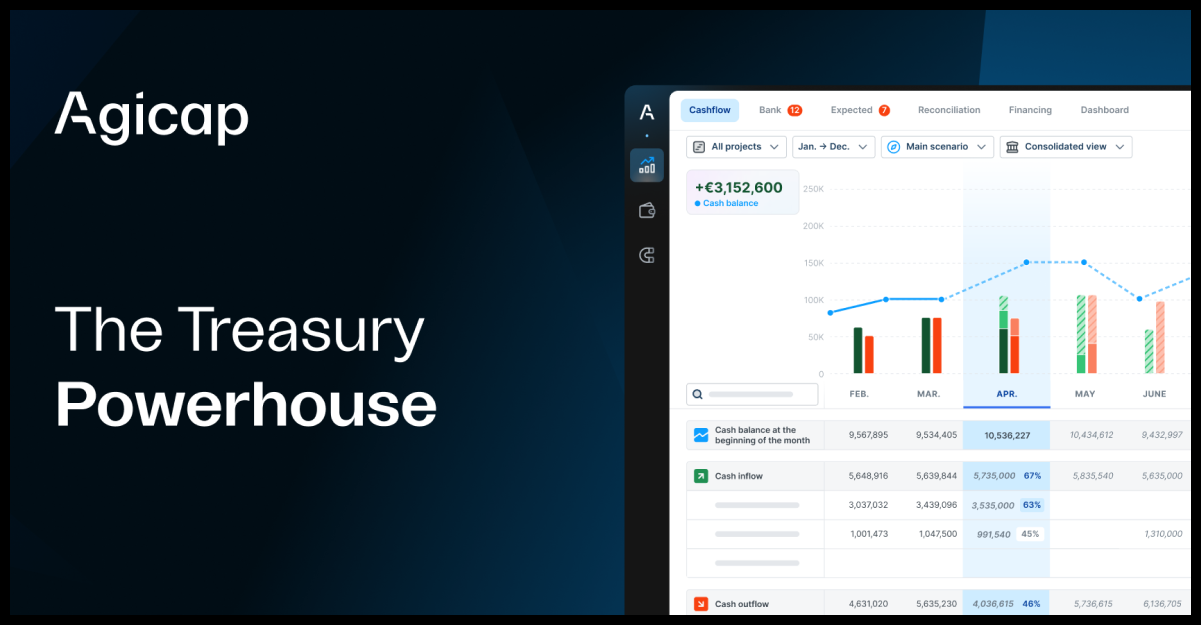
Cash flow is the lifeline of any small business, and Agicap is here to make it easy. Founded in 2016 by Jérôme Basset and Flavien Pellerin, this French startup has become a trusted partner for SMEs.
With a valuation between €700–800 million ($750–860 million), Agicap generated €45 million in revenue in 2024. Its product? A SaaS tool that gives you full control over your company’s money.
Agicap helps you with:
- Real-time cash flow monitoring.
- Forecasting with “what-if” scenarios.
- Automating accounts payable and receivable.
- Connecting with your banks and ERP systems.
- Smart dashboards to track financial health.
Think of Agicap as your financial crystal ball—it shows you exactly where your money is going and how long your runway is.
Tink – The Backbone of Open Banking in Sweden
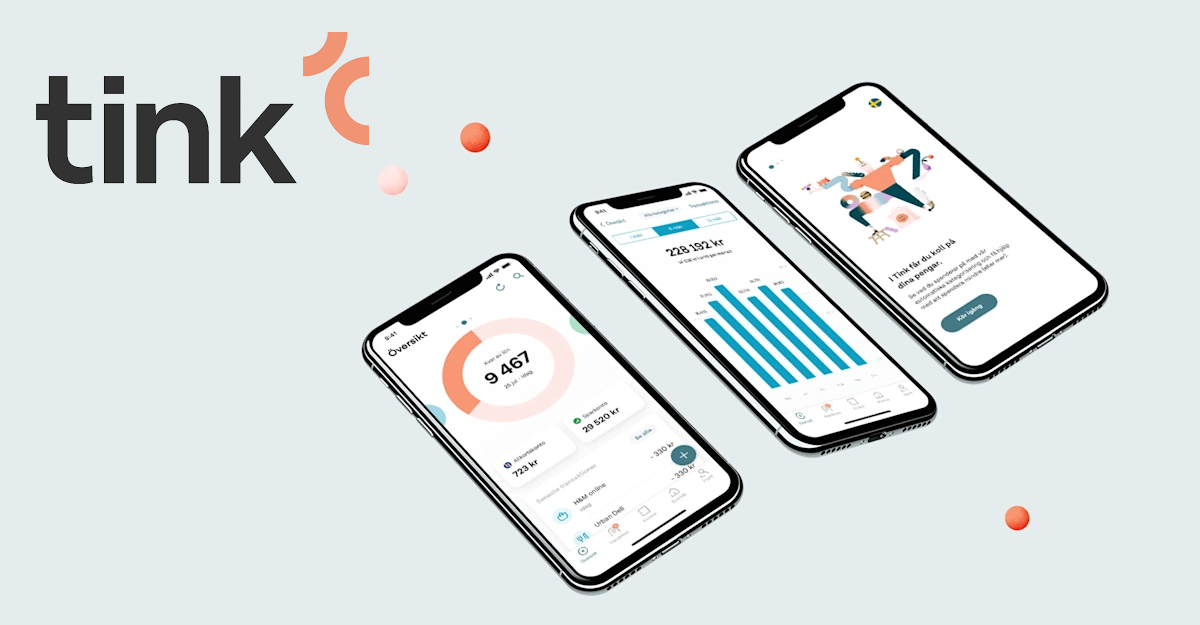
When you connect your apps to your bank, chances are Tink is behind it. Founded in 2012 in Stockholm by Daniel Kjellén and Fredrik Jagemar, Tink is one of the most powerful Fintech Startups of Europe.
Acquired by Visa in 2022 for €1.8 billion ($2.2 billion), Tink now powers financial apps across 18 European markets. It connects to 3,400 banks and reaches over 250 million bank customers.
Here’s what Tink enables for you (even if you don’t see its name):
- Aggregating multiple accounts in one app.
- Enabling instant payments.
- Enriching transaction data for insights.
- Providing tools for personal finance management.
- Offering instant income verification.
Tink isn’t customer-facing like Revolut or Bunq—but it’s the invisible infrastructure making your apps smarter.
Zilch – Buy Now, Pay Later from the UK
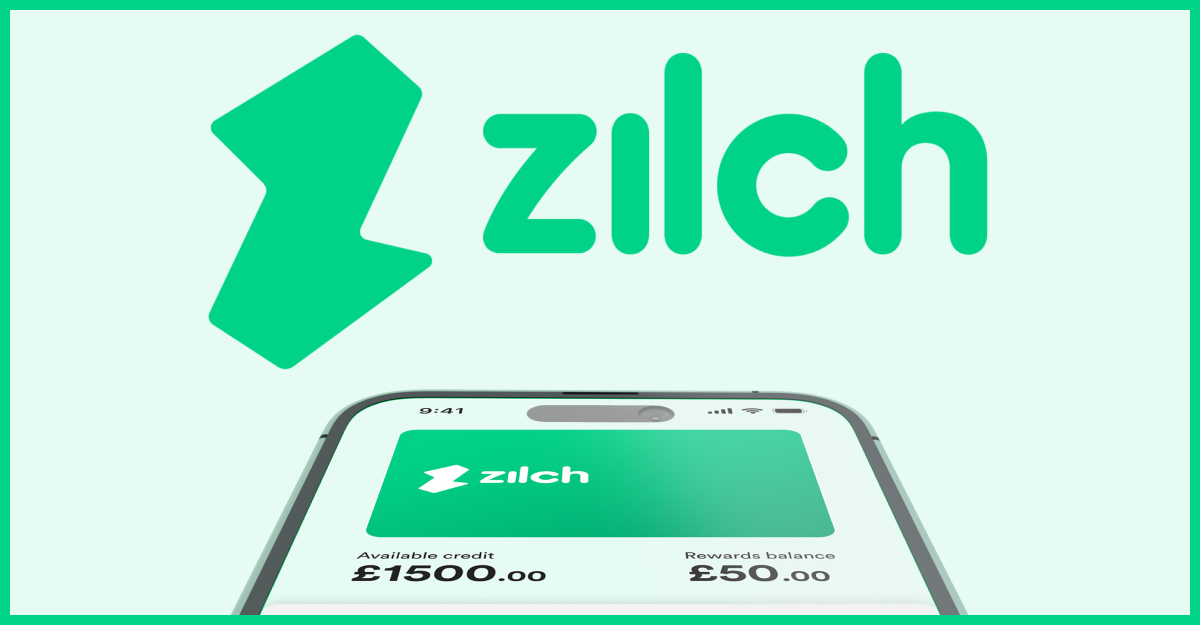
If you’ve ever wanted to shop today and pay later without hidden charges, you’ll love Zilch. Founded in 2020 by Philip Belamant and Alexandre Boucher, Zilch is reshaping credit for you.
In 2025, Zilch is valued at $2.16 billion, with £110.3 million revenue but a £10.5 million loss as it focuses on growth.
Its offerings:
- Interest-free Buy Now, Pay Later in four installments.
- A Mastercard usable at over 5,000 retailers (Amazon, Zara, Nike, eBay).
- Cashback rewards up to 5%.
- Positive credit reporting to help you build your credit score.
Instead of burying you in debt, Zilch aims for “fair finance.” It makes money from merchant fees, not hidden customer charges. That’s why it’s becoming popular in both the UK and the US.
Why Europe Fintech Startups are Winning?

So why are the Fintech Startups of Europe booming? Here’s why:
- Friendly Regulations: Thanks to PSD2 (Payment Services Directive 2), banks must open their data securely, allowing startups to innovate.
- Tech-Savvy Users: Europeans quickly adopt mobile-first banking and digital wallets.
- Strong Funding: Billions in VC and institutional investments help startups scale fast.
- Global Mindset: Startups like Revolut and Zilch are already expanding worldwide.
Europe has created the perfect environment where fintech thrives—balancing innovation with regulation.
European Fintech vs Indian Fintech: Similarities & Differences
Both Europe and India are hotbeds for fintech, but they serve you differently.
| Aspect | European Fintech | Indian Fintech | Similarities | Differences |
| Lending Tech | Zilch (UK) – Interest-free credit | KreditBee – Digital personal loans | Use AI & data for credit scoring and underwriting | Zilch focuses on BNPL; KreditBee offers longer-term personal loans |
| Embedded Finance | Tink (Sweden) – Open banking data | Razorpay – Embedded payments & lending | API-driven integration with third-party platforms | Razorpay operates a wider superapp ecosystem; Tink is a data platform |
| Neobanking | Revolut (UK) – Multi-service app | Jupiter – Digital banking | Mobile-first banking with multi-service offerings | Revolut targets global users; Jupiter focused on Indian market and UPI ecosystem |
| Payments & Wallets | Zilch (UK) | Paytm – Digital wallet & payments | Provide seamless digital payments infrastructure | Paytm offers broader fintech services including investments |
| Wealth Management Platforms | Chip (UK) | Groww – Investment platform | Robo-advisors and automated savings/investments | Groww includes stocks, mutual funds with heavy regulatory compliance |
| Cash Flow Management | Agicap (France) | Cashify – SME credit and cash flow | Financial tools for SMEs for cash flow forecasting and credit | Cashify ties closely to the agricultural SME sectors in India |
| Credit Scoring & Risk | Nelly (Germany) | Lendingkart – SME credit | Data-driven risk profiling and creditworthiness models | Indian credit scoring often includes alternative data sources |
Let me summarize the top ones-
- Zilch (UK) vs KreditBee (India) – Both use tech for lending. Zilch focuses on BNPL, KreditBee on personal loans.
- Tink (Sweden) vs Razorpay (India) – Both are API-driven, but Razorpay is a superapp while Tink is a data platform.
- Revolut (UK) vs Jupiter (India) – Both are mobile-first neobanks. Revolut goes global; Jupiter is UPI-focused.
The primary difference? European fintechs look outward with global ambitions, while Indian fintechs solve hyper-local needs.
What Can India Do to Achieve Success Like Europe?

India is buzzing with fintech potential, but let’s be honest—you often hear complaints from founders that the environment isn’t as friendly as Europe’s.
Here’s what holds India back:
- Strict RBI Regulations: RBI frequently updates rules that restrict lending, BNPL models, and data usage. Startups often find themselves pivoting constantly.
- Compliance Burden: Licenses for banking or lending are tough to get compared to Europe.
- Lack of Open Banking Laws: Unlike PSD2 in Europe, India doesn’t yet enforce banks to share customer data with fintechs.
To succeed like Europe, India needs:
- A clear, open banking framework that lets startups build innovative services.
- Supportive regulations balancing safety with innovation.
- Encouragement of global expansion instead of being restricted to domestic rules.
Until then, India will continue to innovate in payments (like UPI) but will lag behind Europe in global fintech dominance.
Why is India more Vulnerable to Financial Frauds than Europe?
Unfortunately, India also struggles with rising financial fraud. And if you’re an Indian fintech user, you probably know someone who’s faced UPI scams, phishing, or fake loan apps.
Here are the facts:
- RBI reported over 13,000 fraud cases in 2023–24, involving amounts above ₹30,000 crore.
- Phishing and UPI fraud are the fastest-growing.
- A report by the Indian Cyber Crime Coordination Center highlighted that India accounts for over 50% of global digital payment frauds in 2022–23.
Why does this happen more in India than Europe?
- Lower Financial Literacy: Millions of first-time digital users are vulnerable.
- Weak Regulations on Loan Apps: Thousands of unregulated apps trick people into borrowing.
- Less Data Protection: Unlike Europe’s strict GDPR laws, India is still building its data protection regime.
- Over-reliance on Mobile Payments: UPI is revolutionary but often misused by fraudsters.
Europe, with its stronger regulations, tighter KYC checks, and data security laws, simply creates a safer digital financial ecosystem for you.
FAQs About Fintech Startups of Europe
1. Which is the biggest fintech startup in Europe in 2026?
Revolut, valued at $75 billion, serving over 60 million customers.
2. How much revenue do European fintech startups generate?
Revolut alone hit $4 billion revenue in 2025 with $1 billion profit. Qonto made €448.7 million revenue in 2024. Collectively, these startups contribute billions to Europe’s digital economy.
3. What makes European fintech different from U.S. fintech?
Europe benefits from open banking laws (PSD2), enabling innovation. The U.S. still relies heavily on traditional banking restrictions.
4. Are these startups profitable yet?
Yes. Revolut made $1 billion profit, Bunq €85.3 million profit, Qonto €144 million profit in 2024. Others like Zilch are still loss-making but growing fast.
5. Can you use these fintech services outside Europe?
Absolutely. Revolut, Bunq, and Zilch have global expansions underway.
6. Why should you care about fintech startups?
Because they make your life easier—cheaper payments, smarter investments, faster loans, and fewer hidden fees.
Final Thoughts on European Fintech Startups
The Fintech Startups of Europe are not just companies—they’re revolutionaries reshaping how you live with money. Whether it’s Revolut’s all-in-one super app, Qonto’s business banking, Bunq’s green banking, or Zilch’s fair BNPL, these startups are creating solutions that save you time, money, and stress.
Europe’s fintech ecosystem shows what happens when you mix innovation with supportive regulation. India can learn from this, but until then, Europe remains the leader in fintech success.
So the next time you send money, invest in crypto, or split a bill—you’re probably riding the fintech wave that Europe started. And this wave is only getting bigger.
Let’s hope India will catch up in the race soon!
