
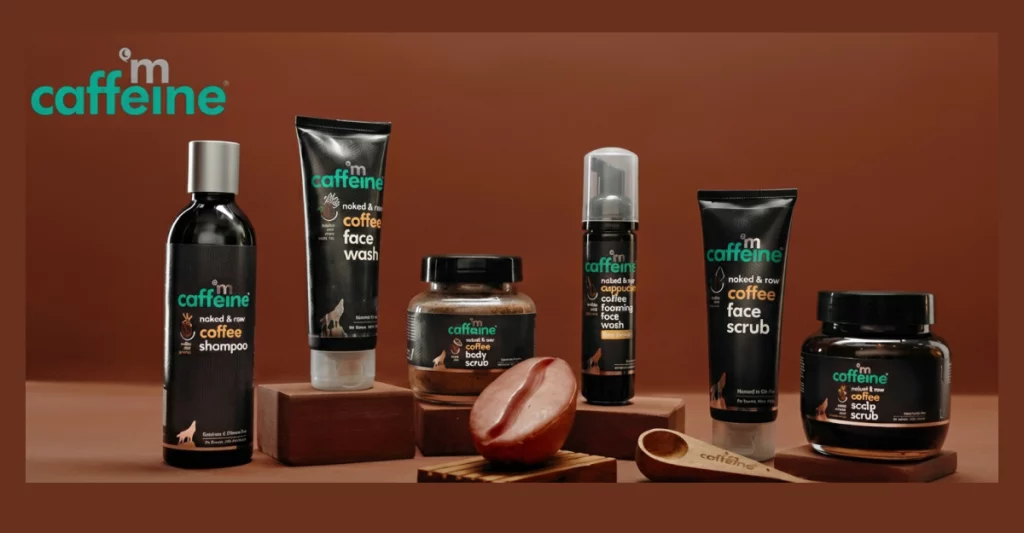
When you look at the rise of mCaffeine, you see more than a skincare brand. You see a bold idea that turned caffeine into a lifestyle.
In this article, I will walk you through the full picture of the mCaffeine business model so you can understand how this brand started, how it built a loyal fan base, how it earns money, and how it plans to scale to a massive ₹700 crore revenue goal.
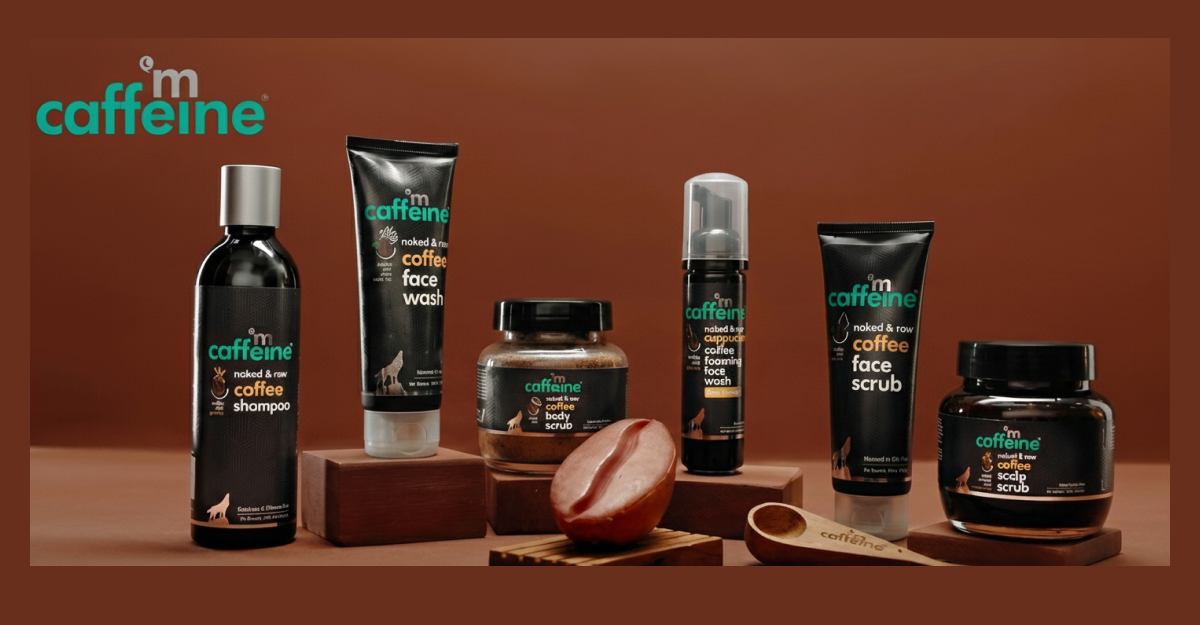
As you read, you will notice how the mCaffeine business model mixes creativity, science, solid distribution, and strong marketing to create something that India had never seen before.
So, let’s begin!
Profile Overview: What is mCaffeine?
mCaffeine is an Indian personal care brand built around caffeine as its core ingredient. Started in 2016, it makes vegan, cruelty-free skincare, haircare, and body products using coffee, tea, and cocoa. With a young audience and a strong D2C presence, it has grown into a familiar name in modern skincare.
Let’s have a quick look at the company’s profile-
| Aspect | Details |
| Type of Company | Privately held direct-to-consumer (D2C) personal care brand |
| Operating Industry | Personal care product manufacturing (skincare, haircare, body care) |
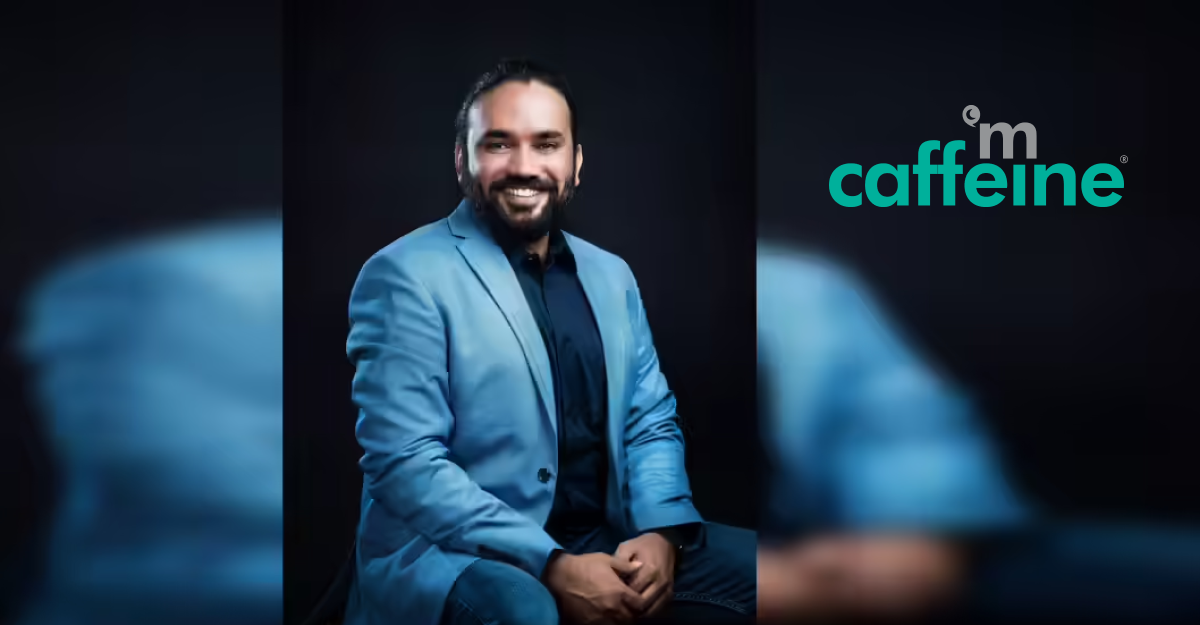
| Founders | Tarun Sharma (Co-Founder & CEO), Vikas Lachhwani (Co-Founder), Vaishali Gupta (CMO), Mohit Jain, Saurabh Singhal |
| Founding/Launch Date | Founded in 2015/2016 (launched October 2016 after 9 months R&D) |
| Famous For | India’s first caffeinated personal care brand using coffee, tea, and chocolate extracts in vegan/cruelty-free products |
| Headquarters | Mumbai, Maharashtra, India (A-502, Mangalya Office, Marol Naka, Andheri) |
| Parent Company | PEP Technologies Pvt. Ltd. (PEP Brands) |
| Subsidiaries | Hyphen (sister brand under PEP Brands) |
| Key Products | 95+ SKUs: Caffexil hair serums/shampoos, body scrubs/lotions, face care, eye/lip care (e.g., Blueberry Breeze Scrub, Creamy Coffee Scrub) |
| Market Valuation | ₹1,000 Cr (post-FY25 exit per co-founder, as of Sep 2025) |
| Revenue (Latest) | ₹193 Cr (FY24 operations, down 6% YoY); Total income ₹201.9 Cr |
| Employees | 501-1,000 (or ~270-226 reported) |
| Competitors | Minimalist, WOW Skin Science, The Ayurveda Company, Purplle.com, Swiss Beauty |
| Total Funding | ₹337 Cr / $37.5M to $39.59M (latest Series C $31.5M in 2022) |
Working Strategy: How the mCaffeine Business Model Works?
The heart of the mCaffeine business model lies in its simple yet clever approach. You get clean products, vegan ingredients, coffee-powered formulas, and a youthful brand voice that clicks instantly with urban India. Here’s how the inner engine runs.
Direct-to-Consumer With Omnichannel Reach
You can buy mCaffeine through their website, Amazon, Flipkart, Nykaa, and even offline stores. This gives the brand both control and reach. Their D2C site is the creative home where they shape the customer experience, while marketplaces push volume sales.
The founders plan to reach 25,000 stores, with offline sales touching 40 to 45 percent of future revenue. In FY24, their revenue from operations touched ₹193 crore, showing how strong the mCaffeine business model has become.
Key Operational Activities
You might notice that mCaffeine products feel premium, smell great, and work well. That’s because the company focuses heavily on:
- Advanced caffeine extraction
- Long testing cycles
- In-house and partner manufacturing
- Inventory management to prevent waste
- A supply chain designed for speed
With this setup, they aim to scale to ₹250 crore annual revenue using the same core engine.
R&D and Product Innovation
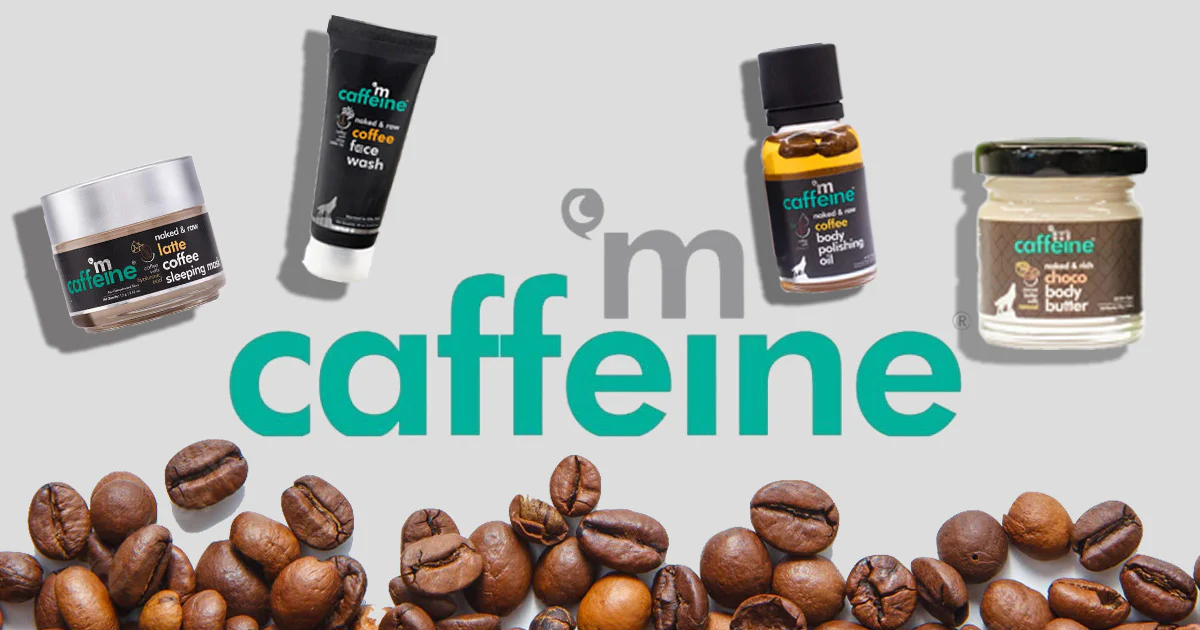
The mCaffeine business model thrives because the brand does not just push new packaging. They build new formulas. Their scientists filed two patents in 2024 for caffeine extraction and developed the well-known Caffexil blend.
They maintain:
- 100 percent vegan formulations
- No SLS, no parabens, no silicones
- AI-based personalization on the website (boosts retention by 20%)
Quality Control
You get 99.8 percent pure caffeine in many formulations because mCaffeine follows international testing standards. They use tests like:
- Murexide test
- Dragendorff’s test
- HPLC-DAD
- UV-Vis spectrophotometry
PETA certifies them as fully cruelty-free and vegan.
Supply Chain and Logistics
The brand uses third-party logistics partners and multiple warehouses so your order reaches you quickly. They pack each order with hygiene checks and reduce return-to-origin losses by verifying pincodes.
They plan to expand to Southeast Asia and the Middle East by the end of 2025.
Revenue and Financial Backbone
Almost all their money comes from product sales. In FY24, they earned ₹193 crore from operations, with ₹8.9 crore as interest income. Their online-to-offline revenue split is about 60:40, with offline increasing fast.
The mCaffeine business model also thrives because of funding support. They raised ₹337 crore so far, including a major $31.5M Series C in 2022.
We will discuss it in detail in the upcoming sections.
Revenue Sources: How mCaffeine Makes Money?
mCaffeine earns money through simple but powerful revenue streams, keeping the mCaffeine business model strong and stable.
Product Sales
This is the core of everything. Face, body, and hair products make up almost the full revenue.
E-commerce and Marketplaces
Amazon, Nykaa, Flipkart, and their own website contribute a large share, because urban youth prefer online shopping.
Offline Retail
This is growing fast. The brand will reach 25,000 stores and expects 40 to 45 percent revenue from offline channels.
Interest Income
The brand earned ₹8.9 crore in FY24 from interest, which adds a small cushion.
Product Line Expansion
You will see new launches in men’s grooming, home care, and fragrances on its official website.
In other words, mCaffeine makes most of its money by selling caffeinated personal care products, including skincare, haircare, and body care. You can buy them online on their D2C website, on major e-commerce platforms, or at select offline stores.
Online sales form a large part of revenue, reaching urban, digital-savvy shoppers across India. Offline retail is also growing, with plans to expand from 5,000 to 25,000 stores, aiming for 40–45% of Indian revenue from physical stores in the next five years.
The brand also earns some income from interest on its cash reserves, around ₹8.9 crore in FY24, though this is small compared to product sales. Frequent launches in men’s grooming and home care keep revenue streams fresh and expand market reach.
mCaffeine’s Latest Financials
| Aspect | Details |
| Revenue (FY24) | ₹193 Cr from operations (down 6% YoY from ₹205.3 Cr in FY23); Total income ₹201.9 Cr including ₹8.9 Cr interest |
| Expenses (FY24) | ₹287.33 Cr (down 4.8% YoY); spent ₹1.49 per ₹1 of operating revenue |
| Profit/Loss (FY24) | Loss of ₹85.41 Cr (down 6.8% from ₹91.6 Cr in FY23); EBITDA margin -40.42%, ROCE -240.19% |
| Market Valuation | ₹1,000 Cr (post-FY25 exit per co-founder); Gross revenue ~₹1,100 Cr as of Sep 2025 |
| Key Investors | Paragon Partners (led $31.5M Series C, 2022), Singularity Ventures, Growth Sharrp Ventures, Fireside Ventures; Total funding ₹337 Cr |
| Net Worth | Not publicly disclosed; Equity base supports ₹193 Cr revenue with ongoing losses |
| Future Revenue Growth Estimate | Targets 30-35% growth in FY26 for PEP Brands (parent); mCaffeine aims ~₹700 Cr in FY25 per trajectory to ₹1,000 Cr gross exit; Profitability eyed FY25 |
Marketing Strategies: How mCaffeine Became Famous
The mCaffeine business model became successful because of smart digital-first marketing.
Digital Marketing
They run the following types of ads-
- Google Ads
- Meta Ads
- SEO content
- SMS and email campaigns
This helped them grow sales 3 times in 90 days.
Social Media
With big communities like:
- Instagram: 611K followers
- Facebook: 144K followers
- YouTube: 25.6K subscribers
The massive social media outreach helps it to stay in front of young customers constantly.
Influencer Partnerships
They collaborate with lifestyle creators to build trust and reach.
Viral Campaigns
Their “Coffee Date” campaign brought huge sales and engagement.
E-commerce Optimization
They use:
- Personalization tools
- Social commerce
- A/B testing
Offline Growth
The brand aims to reach 1 lakh touchpoints in 4 to 5 years.
The Way Forward: Future of mCaffeine
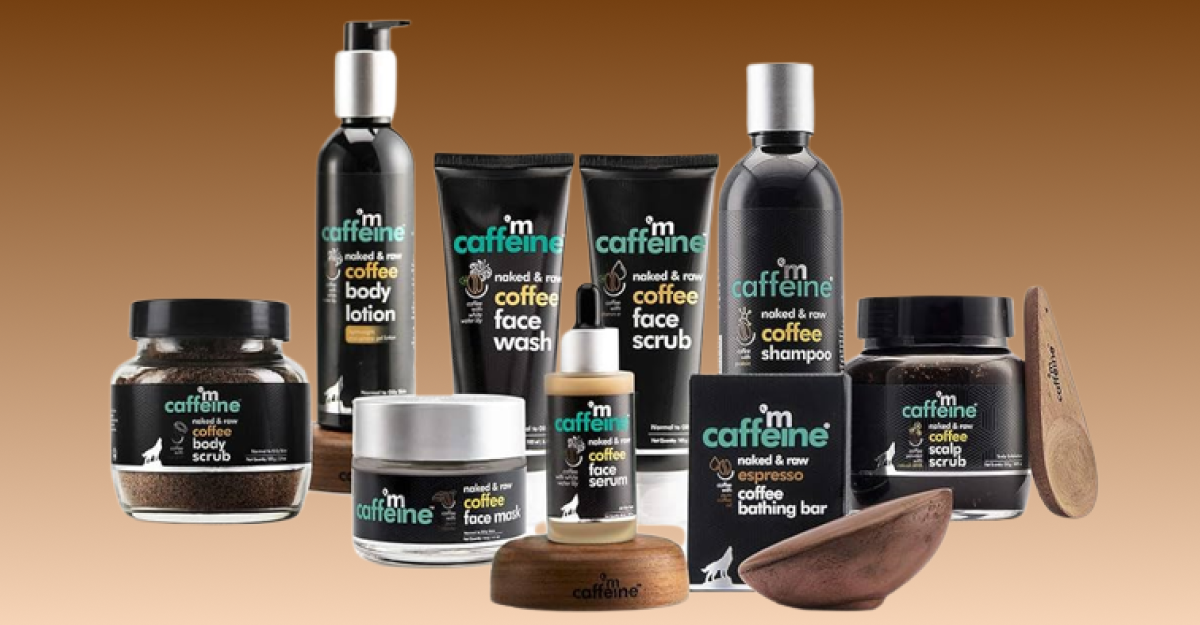
mCaffeine plans massive moves to strengthen the mCaffeine business model.
Geographical Expansion
- 25,000+ retail outlets in India
- Entry into Southeast Asia and Middle East by 2025
Product Diversification
- Men’s grooming
- Home care
- Fragrances
- Wellness products
Omnichannel Boost
- Balance between offline and online
- AI-based personalization for higher retention
Sustainability Goals
- 100 percent recyclable packaging by 2025
- More patents
Financial Roadmap
- Target profitability in FY25
- Possible IPO in 3 to 4 years
Note: If this topic interests you, I’ve also compared Zudio, Mamaearth, and mCaffeine in a separate article. Give it a read too… because it reveals why similar products end up with such different price tags.
Wrapping-Up
The mCaffeine business model is built on strong research, unique caffeine-based products, solid digital marketing, and a sharp understanding of India’s youth.
Even with a dip to ₹193 crore revenue in FY24, the brand stays valued at ₹1,000 crore, proving its long-term potential. With 95+ SKUs, patents, vegan formulas, big funding, and aggressive expansion plans, mCaffeine is gearing up for a bright future, aiming for 30 to 35 percent growth and a large omni-channel presence.
This caffeine-powered strategy gives the brand a firm hold in India’s personal care market and sets the stage for global reach.
Thank you for reading the blog till the end. If you enjoyed it, do subscribe to our YouTube channel and follow us on Instagram for daily updates and more helpful content!
