
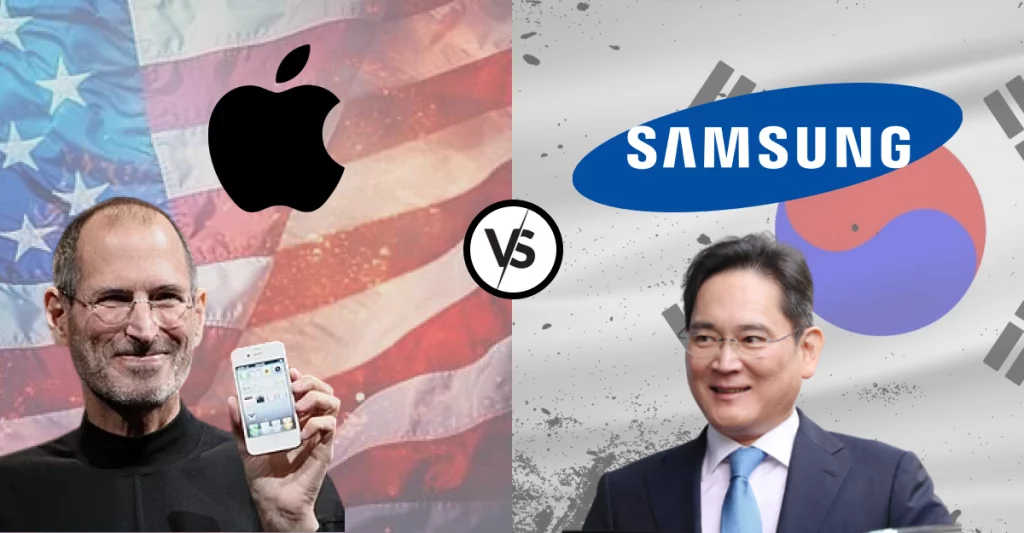
We all know that the global smartphone industry has grown tremendously over the last decade. And when we talk about premium smartphones, two names instantly come to mind i.e. Apple and Samsung.
Remember? There used to be a time when mobile phones were only meant for calling and texting. But today, smartphones have become powerful devices that help us work, create, communicate, and entertain ourselves. Among all the brands in the market, Apple and Samsung stand out as the biggest competitors.
Both companies dominate the global smartphone market with cutting-edge technology and loyal user bases. But the question still remains Apple vs Samsung: Which one is better?
Well, the answer isn’t as simple as it seems. Both brands have their own strengths, unique ecosystems, and loyal fans.
In this article, we will compare Apple vs Samsung across several important factors such as business scale, innovation, ecosystem, and market position.
Let’s begin!
Apple vs Samsung: A Quick Profile Overview
Let us first take a quick look at the profile comparison of both technology giants in the table above.
| Particulars | Apple | Samsung |
| Operating Industry | Consumer electronics, Software services, Online services | Conglomerate |
| Headquarters | Apple Park, Cupertino (California, US) | Samsung Town (Seoul, South Korea) |
| Founded | April 1, 1976 | March 1, 1938 |
| Founders | Steve Jobs, Steve Wozniak, Ronald Wayne | Lee Byung-chul |
| No. of locations | 540 Apple Stores | Over 3,000 stores |
| Area Served | Worldwide | Worldwide |
| Key People | Arthur Levinson (Chairman), Tim Cook (CEO) | Lee Jae-yong (Chairman) |
| Products | AirPods, AirTag, Apple TV, Apple Vision Pro, Apple Watch, HomePod, iPad, iPhone, Mac | Smartphones (Galaxy series), TVs, home appliances, semiconductors, laptops, monitors, network equipment, and more consumer/industrial electronics |
| Services | App Store, Apple Arcade, Apple Card, Apple Music, Apple Pay, Apple TV, CarPlay, iCloud, Pixelmator, Shazam | Samsung Pay, Samsung Cloud (legacy), SmartThings, Galaxy Store, Samsung TV Plus, Samsung Health, Samsung Knox, and other device and content services |
| Subsidiaries | Apple Studios, Beats Electronics, Beddit, Braeburn Capital, Claris, Globalstar | Cheil Worldwide, Samsung Asset, Management, Samsung Biologics, Samsung C&T Corporation, Samsung Electro-Mechanics, Samsung Electronics, Samsung E&A, Samsung Fire & Marine |
Apple was founded in 1976 by Steve Jobs, Steve Wozniak, and Ronald Wayne. Today, it is one of the most valuable companies in the world, with its headquarters located in Cupertino, California. The company is well known for premium products like the iPhone, Mac, iPad, Apple Watch, and AirPods.
Samsung, on the other hand, has a much older history. It was founded in 1938 by Lee Byung-chul in South Korea. Unlike Apple, Samsung is a massive conglomerate that operates across multiple industries, including electronics, semiconductors, construction, and biotechnology.
Another interesting point is the number of retail locations. Apple operates around 540 Apple Stores, while Samsung products are available in over 3,000 stores worldwide.
Both companies serve customers across the globe and are led by influential leaders- Tim Cook for Apple and Lee Jae-yong for Samsung.
Although both companies compete heavily in the smartphone industry, their business structures are quite different.
Journey of Apple and Samsung in the Technology Industry
Both Apple and Samsung have fascinating journeys that shaped the modern tech world.
While Apple revolutionized personal computing and smartphones, Samsung built a massive electronics empire through manufacturing and innovation.
Let us understand their journeys briefly.
(A) Apple’s Journey in the Global Market
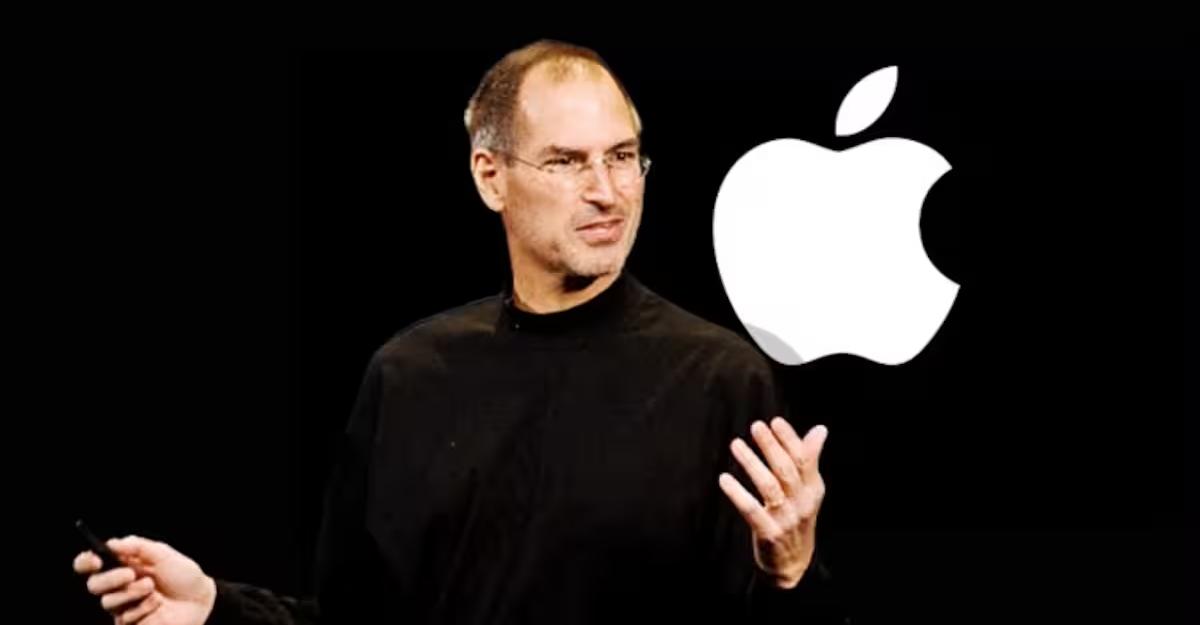
Apple started its journey in 1976 with the goal of making computers accessible to everyday people. Its early success came from the Apple II and later the Macintosh computers.
However, the real turning point came in 2007 when Apple launched the first iPhone. This device completely transformed the smartphone industry. Touchscreens, mobile apps, and modern smartphone design became mainstream after the iPhone’s success.
Since then, Apple has focused on building a premium ecosystem of devices. Products like the iPad, Apple Watch, AirPods, and Mac computers work seamlessly together.
Another key strategy of Apple is its strong software integration. The company develops its own operating systems such as iOS, macOS, watchOS, and iPadOS.
Because of this tight integration between hardware and software, Apple has built one of the most loyal customer bases in the world.
(B) Samsung’s Journey in the Global Market
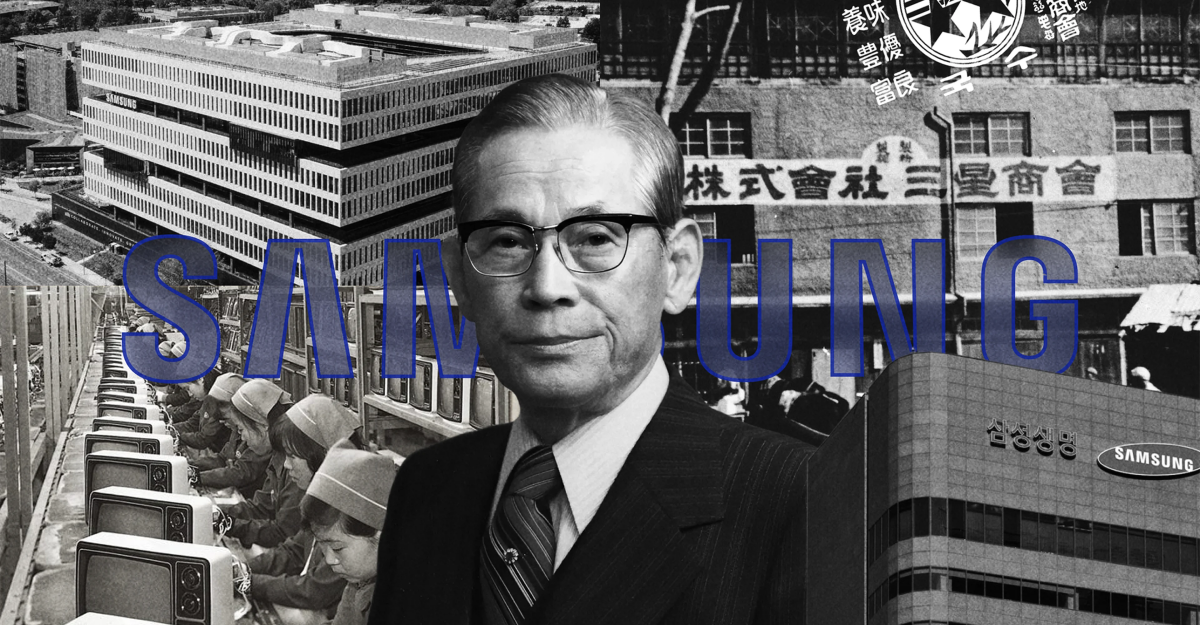
Samsung’s story is very different from Apple’s.
Originally founded as a trading company in 1938, Samsung later expanded into electronics manufacturing in the late 20th century. Over time, it became one of the largest technology companies in the world.
Samsung entered the smartphone market with its Galaxy series, which quickly became one of the biggest competitors to the iPhone.
Unlike Apple, Samsung operates in a wide range of industries. The company produces smartphones, TVs, semiconductors, home appliances, displays, and network equipment.
Another major strength of Samsung is its manufacturing capability. The company designs and produces many components itself, including memory chips and smartphone displays.
This vertical integration gives Samsung a strong position in the global technology supply chain.
Financial Scale, Profitability, and R&D
When comparing Apple vs Samsung, their financial scale is truly impressive.
| Feature | Apple | Samsung |
| 2024–25 revenue scale | ≈383 billion USD | ≈333.6 trillion KRW (≈250–260 billion USD) |
| Net income level | >90 billion USD a year, rising | 45.2 trillion KRW in 2025, strong rebound |
| Profit per employee | Very high (≈571k USD per employee) | Lower, due to a manufacturing‑heavy model |
| R&D spending | >31 billion USD (2024) | ≈35 trillion KRW (≈24 billion USD, record) |
| R&D focus | Integrated devices, OS, in‑house chips | Semiconductors, displays, 5G, broad devices |
Apple generates more than 380 billion USD in annual revenue, while Samsung Electronics records revenue of around 333.6 trillion KRW (roughly 250–260 billion USD).
However, Apple stands out when it comes to profitability. The company earns over 90 billion USD in net income every year, making it one of the most profitable companies in the world.
Another interesting metric is profit per employee. Apple earns significantly more profit per employee compared to Samsung. This is mainly because Apple outsources most of its manufacturing, while Samsung operates large manufacturing facilities.
When it comes to research and development, both companies invest heavily. Apple spends more than 31 billion USD annually on R&D, focusing on integrated devices and custom chips.
Samsung’s R&D spending is also massive, reaching around 35 trillion KRW. Its research mainly focuses on semiconductors, display technology, and communication networks.
Market Position, Ecosystem, and Business Model
Now comes one of the most important aspects in the debate of Apple vs Samsung- their market strategy.
| Feature | Apple | Samsung |
| Smartphone share 2024 | ≈19% (global #1) | ≈18% (global #2) |
| Q4 2024 smartphones | ≈23% share; 74.7M units | 223.5M units in 2024 full year; Q4 share lower than Apple |
| Ecosystem lock‑in | Very tight, closed ecosystem | More open, Android/Windows‑friendly |
| Operating systems | iOS, iPadOS, macOS, watchOS, tvOS, visionOS | Android (One UI), Wear OS, Tizen, RTOS |
| Chip strategy | Designs A/M chips; outsources fab | Designs and manufactures major chips |
| Hardware breadth | Focused, premium personal devices | Very wide: phones, TVs, appliances, chips, more |
| Price positioning | Mainly premium / upper‑mid | Covers budget to ultra‑premium |
| Geographic strength | Stronger in US, Europe, rich Asia | Stronger in Asia, emerging markets |
| Production model | Highly outsourced manufacturing | Highly vertically integrated |
| Revenue mix | iPhone‑heavy; services growing | More balanced across chips, devices, and appliances |
Apple follows a premium-focused strategy. Most of its devices are positioned in the upper-mid to premium price segment. The company also maintains a closed ecosystem, where its products work best with other Apple devices.
For example, an iPhone works seamlessly with a MacBook, Apple Watch, and AirPods. This strong ecosystem encourages users to stay within the Apple environment.
Samsung, on the other hand, follows a much broader market strategy. It offers devices ranging from budget smartphones to ultra-premium flagship phones.
Another key difference is the operating system. Apple uses its proprietary iOS, while Samsung mainly uses Android with its One UI interface.
Because Android is more open, Samsung devices often offer more customization options compared to iPhones.
Samsung also has a wider product ecosystem, including smart TVs, refrigerators, washing machines, and smart home devices.
Apple vs Samsung: Which Makes a Better Smartphone?
Well, this is quite a subjective question.
Both Apple and Samsung offer excellent smartphones with powerful features. The better choice ultimately depends on your preferences and priorities.
Apple smartphones are known for their smooth software experience, strong security, and long software updates. The iPhone is also famous for its powerful custom chips and consistent performance.
Samsung smartphones, on the other hand, are known for cutting-edge hardware innovation. The company often introduces new technologies such as foldable displays, advanced camera systems, and high-refresh-rate screens.
Samsung also provides a wider variety of smartphones, which means customers can choose devices across different price ranges.
So, the choice between Apple and Samsung depends on what you value more- a tightly integrated ecosystem or a flexible range of devices.
Financial Comparison Between Apple and Samsung
The financial comparison table below highlights the scale at which these companies operate.
| Aspect (2025) | Apple Inc. | Samsung Electronics Co., Ltd. |
| Fiscal year reference | FY ended Sept 27, 2025 | Calendar year 2025 |
| Revenue (latest full year) | 416.2 billion USD | 333.6 trillion KRW (≈250–260 billion USD) |
| Revenue growth YoY | ≈6.4% growth vs FY 2024 | ≈10.9% growth vs 2024 |
| Net income / net profit | 112.0 billion USD | 45.2 trillion KRW |
| Net income growth YoY | ≈19.5% growth vs FY 2024 | ≈31.2% growth vs 2024 |
| Profit margin profile | Mid‑20s % net margin | Low‑ to mid‑teens % net margin |
| Market capitalization (Mar 2026) | ≈3.89 trillion USD | ≈1,212 trillion KRW (≈900+ billion USD) |
| Revenue concentration | iPhone ≈half of total sales | Diversified across chips, mobile, CE, others |
| Employees (headcount) | ≈166,000 | Higher than Apple due to manufacturing base |
| Revenue per employee (approx.) | ≈2.5 million USD | Much lower than Apple |
| Geographic revenue mix | Heavier in Americas & Europe | Heavier in Asia, plus Europe & Americas |
| Cash and liquidity | Large cash pile; very strong balance sheet | Strong cash flow; high capex needs |
| Capital intensity | Relatively low capex; outsourced production | Very high capex; owns fabs and plants |
| Earnings cyclicality | Relatively stable, consumer‑driven | More cyclical, tied to semiconductor cycles |
| Overall financial positioning | Ultra‑profitable, mega‑cap, cash‑rich | Large, diversified, more cyclical industrial tech |
Apple reported around 416.2 billion USD in revenue for its latest fiscal year. Samsung Electronics recorded 333.6 trillion KRW in revenue during the same period.
Apple also maintains a higher profit margin, typically in the mid-20 percent range. Samsung’s margins are slightly lower because of its large manufacturing operations and semiconductor business.
Another important difference is revenue concentration. A large portion of Apple’s revenue still comes from the iPhone, which contributes roughly half of its total sales.
Samsung, however, has a more diversified revenue structure. Its income comes from smartphones, semiconductors, consumer electronics, and other industrial technologies.
This diversification makes Samsung less dependent on a single product category.
Note: We have also compared the following electronics brands-
Final Words for Apple vs Samsung: Which One Is Better?
When comparing Apple vs Samsung, it becomes clear that both companies are leaders in the global technology industry.
Apple dominates in profitability, ecosystem integration, and premium brand value. Samsung excels in hardware innovation, manufacturing strength, and product diversity.
If you prefer a premium experience with a tightly connected ecosystem, Apple might be the better choice for you.
On the other hand, if you want more variety, advanced hardware innovations, and flexible pricing options, Samsung could be a great option.
In the end, both brands offer excellent products. To decide which one is better, it is always best to compare specific smartphone models based on your needs and budget.
After all, the debate of Apple vs Samsung will probably continue for many years to come!
