
Do you know, that we have a world where menstrual hygiene products are safe for your body, empower communities, and leave no harm to the planet? This is exactly what the Saathi Business Model offers.
Saathi, a pioneering eco-friendly brand, produces 100% biodegradable sanitary pads using banana fiber, a natural and sustainable resource. But there’s more to the story—Saathi’s model is transforming lives, empowering rural communities, and addressing critical environmental challenges.
In this article, let’s explore how the Saathi Business Model redefines menstrual hygiene, creates social impact, and promotes sustainability with its unique approach!
What is Saathi?
Saathi is an Ahmedabad-based social enterprise founded in 2015 by Kristin Kagetsu, Tarun Bothra, and Grace Kane. The trio, with backgrounds in sustainable product design and renewable energy, was driven by the vision of creating eco-friendly menstrual products that are good for your body, the environment, and society.
| Particulars | Saathi |
| Legal Name | Saathi Eco Innovations India Private Limited |
| Headquarters | Ahmedabad (Gujarat, India) |
| Business Model Type | B2C & B2B |
| Founders | Tarun Bothra; Grace Kane; Kristin Kagetsu |
| Revenue Stream | E-commerce Product |
| Total Funding | $1.0 million |
| Investors | Pipeline Angels; Katapult Accelerator |
The company’s flagship product is its biodegradable sanitary pad made from banana fiber. These pads decompose within six months, unlike conventional pads that can take up to 600 years to break down.
Saathi Business Model: How Does it Work?
As you have read above, Saathi operates as a social enterprise with a mission to address menstrual hygiene, empower communities, and promote environmental sustainability. Its approach revolves around a circular economy, ensuring benefits for society, the economy, and the environment.
Here’s how Saathi works-
Sustainable Product Development
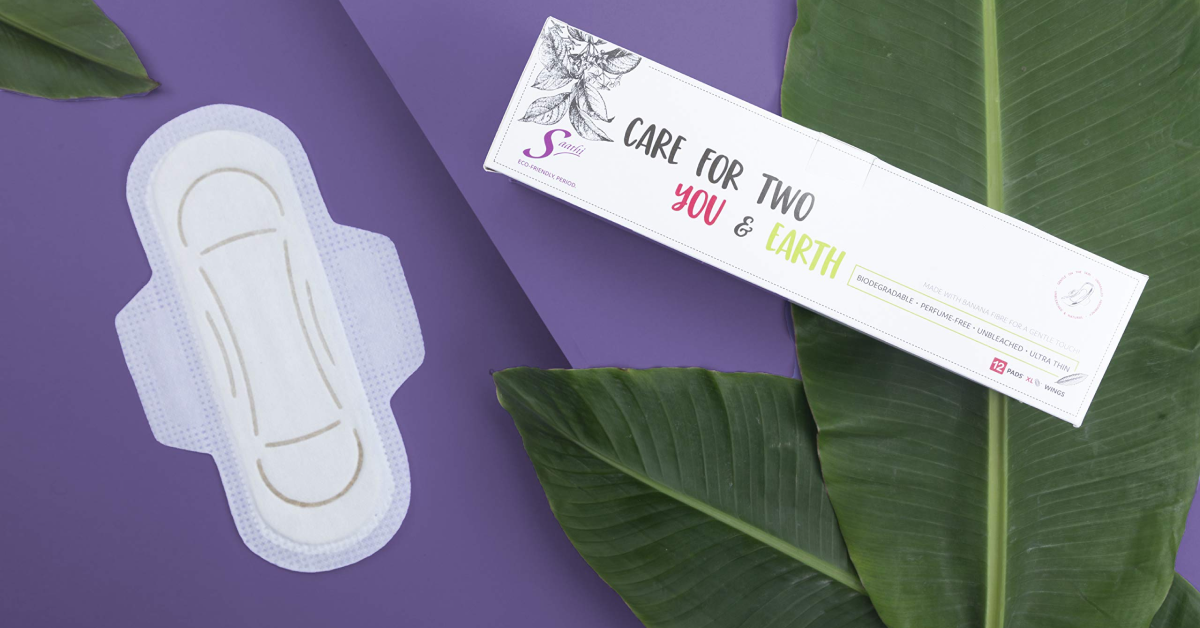
Saathi produces biodegradable sanitary pads using banana fiber, a byproduct of agricultural processes. Why Banana Fiber? You may ask.
It’s an absorbent, sustainable alternative to synthetic materials. Also, it has an eco-friendly design. The pads are free from chemicals and bleach, making them safe for the skin. They are fully biodegradable and compostable, decomposing within six months, unlike conventional plastic pads that take hundreds of years.
This focus ensures both user health and environmental sustainability.
Inclusive Pricing Strategy
Saathi’s pricing model ensures accessibility while maintaining business sustainability-
- Premium Pricing in Urban Areas: Urban customers pay a higher price, supporting the brand’s operations and impact initiatives.
- Subsidized Pricing in Rural Areas: Revenue from urban sales subsidizes the cost of pads for rural women, making them affordable in areas where menstrual hygiene products are often inaccessible.
This cross-subsidization model bridges the gap between affordability and sustainability, ensuring menstrual hygiene for all.
Empowering Communities Through the Supply Chain
Saathi integrates social empowerment into its supply chain-
- Farmers: Banana fiber is purchased as agri-waste, providing farmers with an additional income stream and reducing waste.
- Employment for Women: Women from underserved communities are employed in Saathi’s factory, offering them financial independence and skills development.
Partnerships for Wider Reach
Saathi collaborates with various organizations to expand its impact-
- NGOs: They distribute subsidized pads in rural areas, increasing menstrual hygiene awareness and access.
- E-Commerce and Eco-Friendly Stores: Urban consumers can purchase Saathi pads online and in specialty stores, ensuring convenience and visibility.
These partnerships enhance Saathi’s ability to reach both urban and rural audiences effectively.
Measuring Social and Environmental Impact
Saathi evaluates its progress using eight UN Sustainable Development Goals (SDGs), which include goals related to gender equality, clean water and sanitation, decent work and economic growth, and responsible consumption.
(A) Social Impact of the Saathi Business Model
- Empowering Rural Women: Saathi employs local women in its manufacturing units, providing them with stable incomes and skill development opportunities. By 2023, Saathi aims to employ over 73,000 rural women.
- Supporting Farmers: Saathi provides farmers with an additional income stream by purchasing banana stems. The initiative has already increased farmers’ earnings by ₹50 lakh.
- Breaking Menstrual Taboos: In rural areas, societal stigma often prevents open conversations about menstrual hygiene. Saathi partners with NGOs to organize workshops, educating women about menstrual health and hygiene. These efforts are building awareness and encouraging women to transition from unsafe methods like rags and sand to safe, sustainable sanitary pads.
(B) Environmental Impact of the Saathi Business Model
- Reducing Plastic Waste: The average sanitary pad contains 3.4 grams of plastic. Over a woman’s lifetime, this translates to 60 kilograms of non-biodegradable waste per person. In contrast, Saathi pads are plastic-free and compostable, degrading within six months.
- Lower Carbon Footprint: The production of Saathi pads results in significantly lower carbon emissions compared to conventional pads. Since its inception, Saathi has saved 16 metric tons of CO2 emissions and plans to reduce 10,849 metric tons by 2023.
- Contribution to Circular Economy: Saathi follows a circular economy model, where waste is minimized, and resources are reused. The banana fiber used in pads comes full circle, enriching the soil after disposal, ensuring no harm to the environment.
Unique Features of Saathi Pads
| Features | Benefits |
| Biodegradable | Decomposes within 6 months, eliminating long-term waste. |
| Chemical-Free | No bleach or toxins, ensuring rash-free and safe usage |
| Plastic-Free | Prevents 60 kilograms of plastic waste per woman over her lifetime |
| Locally Sourced | Supports Indian farmers and reduces reliance on imported materials |
| Water Efficient | Banana fiber production uses 6x less water than cotton |
| Eco-Friendly Design | Sustainable from production to disposal, promoting a healthier planet |
Challenges Saathi is Addressing
- Lack of Access: In India, 82% of women lack access to sanitary products, often resorting to unhygienic methods like cloth, ash, or bark.
- Waste Management: India generates over 150,000 tons of sanitary pad waste annually. This number could rise exponentially as more women adopt disposable pads. Saathi offers a sustainable solution to this impending crisis.
- Affordability: By subsidizing costs for rural women, Saathi makes eco-friendly pads accessible to those who need them most.
How is Saathi Changing Lives?
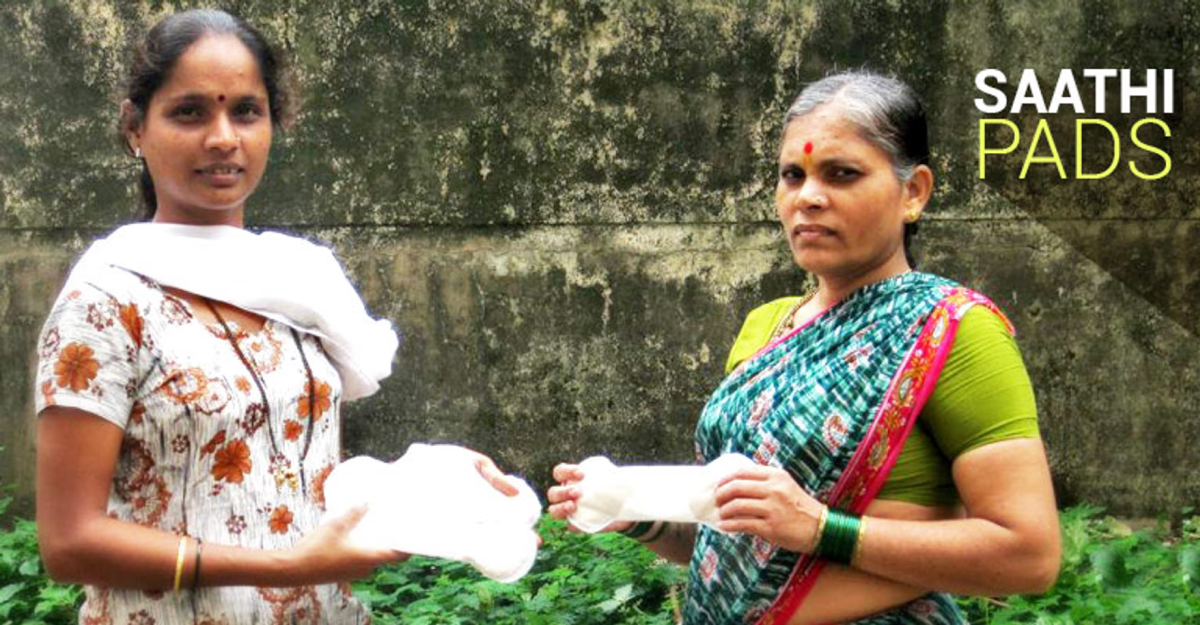
- For Urban Women: If you’re an eco-conscious urban consumer, Saathi pads let you make a sustainable choice without compromising comfort or quality. By using Saathi pads, you contribute to reducing plastic waste and supporting rural women.
- For Rural Women: In rural India, Saathi’s initiatives are life-changing. By making affordable pads available and educating women about menstrual hygiene, Saathi is enabling them to lead healthier, more dignified lives.
Financial Sustainability of the Saathi Business Model
Saathi’s innovative approach ensures financial viability while creating social and environmental impact. The company relies on urban sales to subsidize rural distribution and plans to scale globally by raising funds for expanded production.
Saathi also partners with e-commerce platforms and eco-friendly stores, reaching a broader audience of environmentally conscious consumers.
Marketing Strategy for Saathi Pads
Saathi’s marketing strategy focuses on education, building trust, and fostering a community around sustainable menstruation. Here’s how they execute it-
Awareness Campaigns
Saathi invests in campaigns to educate people about menstrual health and the environmental impact of conventional sanitary pads. These campaigns emphasize-
- The benefits of compostable pads made from banana fiber.
- The importance of reducing plastic waste in menstruation products.
Examples include collaborations with schools, colleges, and social media influencers to drive conversations around sustainability and periods.
Storytelling as a Brand Tool
The brand narrates its journey and impact through compelling stories. They highlight real-life testimonials of rural women benefitting from Saathi pads and the environmental savings achieved. This builds emotional resonance and strengthens the brand’s identity as a changemaker.
Social Media Marketing
Saathi uses Instagram, Facebook, and LinkedIn to engage with its audience through-
- Informative posts about sustainable menstruation.
- Updates on their social impact and eco-friendly initiatives.
- Partnerships with influencers in the sustainability and wellness space to increase visibility.
Collaboration & Partnerships
Strategic tie-ups with-
- NGOs for rural distribution.
- Sustainability-focused events and workshops to position Saathi as a thought leader in eco-friendly products.
Green Branding
The company uses minimalist, eco-friendly packaging and branding to align with its sustainability message. This visual appeal helps in targeting environmentally conscious customers effectively.
Saathi’s marketing strategy aligns with its mission to make periods healthier for women and the planet while ensuring the message is relatable and impactful.
Why Does the Saathi Business Model Matter to You?
The Saathi Business Model proves that sustainability and profitability can go hand in hand. Whether you’re a consumer, a farmer, or a member of the community, Saathi impacts lives positively at every level.
By choosing Saathi pads, you’re not just buying a product—you’re joining a movement toward a cleaner, greener, and more equitable world.
The Bigger Picture
- Global Vision: Saathi isn’t just addressing India’s menstrual hygiene challenges. The company envisions scaling its model globally, promoting sustainability in other countries facing similar issues.
- Expanding Product Range: Saathi plans to introduce more sustainable hygiene products in the future, aligning with its mission to revolutionize the hygiene industry.
Note: Recently, we have covered the MetroRide Kids Business Model. It is a remarkable innovation for the safe transportation of kids. Go through the article for detailed information.
Final Words
The Saathi Business Model is more than a business—it’s a revolution. By combining sustainability, innovation, and social impact, Saathi is setting a benchmark for menstrual hygiene products globally.
Whether you’re an urban eco-warrior or a rural woman seeking better hygiene solutions, Saathi has something meaningful to offer. Let Saathi inspire you to make choices that not only improve your life but also contribute to a better future for all.
