
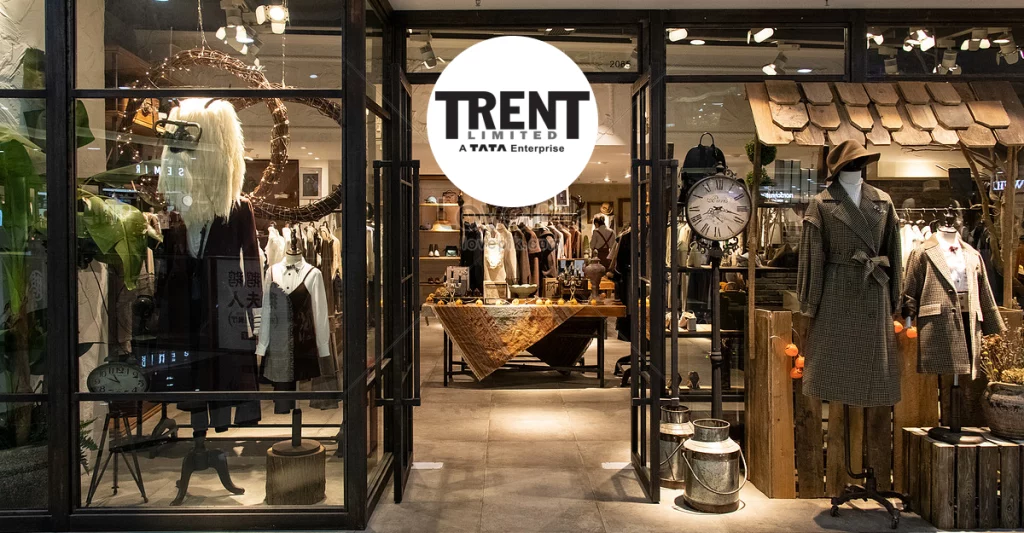
When you think of successful retail businesses in India, Trent Limited is a name that stands out. As a key player in the retail industry, Trent has established a unique business model that has propelled its growth and profitability. But what makes the Trent Business Model so effective?

In this article, we will break down its strategy, revenue sources, marketing techniques, and the various retail formats that drive its success.
Stay tuned!
Trent: Profile Overview
Trent Limited is one of India’s leading retail companies, owned by the Tata Group. Founded in 1998, Trent has grown into a dominant player in the fashion, lifestyle, and grocery segments. With a strong presence across India, Trent operates multiple retail brands, including Westside, Zudio, Utsa, Misbu, Samoh, Star, Zara, Massimo Dutti, and Booker India.
You see, the Trent Business Model revolves around a well-planned retail strategy, high operational efficiency, and a deep understanding of Indian consumers. Its ability to offer high-quality products at competitive prices while maintaining profitability has made it a benchmark for retail success in India.
Before discussing the details of Trent Business Model, let’s briefly look at its profile-
| Particulars | Trent Limited |
| Type of Company | Public |
| Operating Industry | Retail |
| Founded | 1952 (as Lakmé Limited); 1998 (as Trent Limited) |
| Headquarters | Mumbai (Maharashtra, India) |
| Key People | Noel Tata (Chairman); P. Venkatesalu (CEO) |
| Parent Company | Tata Group |
| Divisions | Westside; Zudio; Star Bazaar; Zara (India) |
| Competitors | Avenue Supermarts Ltd (DMART); Aditya Birla Fashion & Retail Ltd (ABFRL); Brainbees Solutions Ltd (FIRSTCRY); Redtape Ltd (REDTAPE) |
Note: Do you know Trent produces lab-grown diamonds too? Well, that’s not a cakewalk because there are numerous competitors too! For more details, go through the article- Trent vs Tanishq vs Senco Gold: Lab-grown diamond battle.
Working Strategy: How Trent Business Model Works?
Trent Limited follows a strategic approach to retail that focuses on in-house brands, cost efficiency, and strong supply chain management. Here’s how the Trent Business Model operates-
- Private Label Focus: Unlike other retailers that heavily depend on external brands, Trent relies on in-house brands, particularly in Westside and Zudio. This helps in better profit margins and control over pricing.
- Fast Fashion Model: Inspired by global fast fashion retailers like Zara, Trent ensures rapid product turnover, keeping up with trends and consumer preferences.
- Affordable Pricing: By cutting down intermediary costs and focusing on its own brands, Trent keeps prices competitive while maintaining quality.
- Diverse Retail Segments: Trent is not limited to fashion; it also operates in grocery retail (Star), luxury fashion (Zara, Massimo Dutti), and wholesale (Booker India), allowing revenue diversification.
- Strong Expansion Strategy: The company is aggressively expanding its stores across Tier 1, Tier 2, and Tier 3 cities, ensuring accessibility to a wider consumer base.
This approach enables Trent to offer trendy, affordable products while keeping operating costs low and maintaining profitability.
Revenue Sources in the Trent Business Mode

You must be wondering how Trent makes money. Well, the Trent business model generates revenue from multiple sources, making it a financially robust company. Here are its key revenue streams-
1. Fashion Retail: Westside, Zudio, Utsa, Misbu, Samoh
Fashion retail is the backbone of Trent’s business. Westside focuses on mid-premium fashion, while Zudio targets budget-conscious customers. Utsa, Misbu, and Samoh cater to niche segments like ethnic wear and premium clothing. Since these stores primarily sell private labels, profit margins remain high.
2. Grocery Retail: Star
Trent operates Star, a supermarket chain that sells food, grocery, and daily essentials. Unlike other grocery retailers, Star integrates private-label products, ensuring better margins. This helps it compete with giants like Reliance Fresh and D-Mart.
3. Luxury and International Brands: Zara & Massimo Dutti
Through a joint venture with Inditex, Trent operates Zara and Massimo Dutti in India. These premium brands cater to urban consumers willing to spend on global fashion. Zara is particularly successful due to its fast-fashion model, where new collections arrive frequently, keeping customers engaged.
4. Wholesale Business: Booker India
Trent also earns revenue through Booker India, a wholesale business that supplies products to small retailers, kirana stores, and businesses. This segment is crucial as it taps into the large unorganized retail market in India.
5. Online and Omnichannel Sales
With the rise of e-commerce, Trent has expanded its presence online. Westside and Zudio sell through their websites and apps, as well as third-party platforms like Tata CLiQ. The omnichannel approach ensures customers can shop seamlessly across online and offline stores.
By diversifying its revenue sources, Trent ensures financial stability and sustained growth! In the next section, we will thoroughly look at the financial statements of Trent.
Financial Highlights for FY25
Now we will look at the financial data of Trent that will help you too understand its business model in a better way.
Q2 FY25
Q3 FY25
Key Takeaways from the Financial Statements
- Both Q2 and Q3 show significant growth in revenue and net profit, driven by strong brand performance and strategic expansions.
- Margins have shown improvements in Q2 but remained stable in Q3 despite expansion efforts.
- Trent aggressively expanded its store network, particularly in Q3, opening new Westside and Zudio stores.
Additional Financial Metrics
| Metric | Brand | Q3 FY25 |
| Store Count | Westside | 238 |
| Store Count | Zudio | 635 |
| Online Sales Growth | Westside | 45% |
| Contribution of Emerging Categories | – | >20% |
| Online Sales Contribution | Westside | 6% |
Marketing Strategies in the Trent Business Model
Marketing plays a crucial role in the success of the Trent Business Model. The company follows a well-planned marketing strategy to attract and retain customers.
- Private Label Branding: Since most of Trent’s stores sell private labels, it creates brand loyalty and a unique shopping experience. Customers associate Trent stores with exclusive, high-quality, and affordable fashion.
- Strategic Store Locations: Trent ensures that its stores are located in high-footfall areas, including malls, high streets, and even standalone outlets in smaller cities. This maximizes visibility and customer reach.
- Affordable and Trendy Products: Zudio, in particular, follows a “low price, high volume” strategy, offering trendy clothes at affordable rates. This attracts price-sensitive consumers, especially in Tier 2 and Tier 3 cities.
- Digital and Social Media Marketing: Trent actively engages in social media marketing, using platforms like Instagram and Facebook to showcase its latest collections. The company also collaborates with influencers and celebrities to enhance brand visibility.
- Omnichannel Experience: The company focuses on seamless integration between online and offline shopping. Customers can order online and pick up in-store, return products easily, and enjoy personalized recommendations.
With these strategies, Trent continues to expand its customer base and strengthen its brand presence.
By the way, how did you come to know about Trent? Through ad or recommendation? Write your thoughts in the comment section.
Retail Formats in the Trent Business Model
The Trent Business Model operates multiple retail formats, catering to different segments of consumers. Let me explain it through the following table-
| Name | Type | Year Established | Ownership |
| Westside | Westside is Trent’s flagship fashion brand, offering stylish clothing, footwear, and accessories for men, women, and kids. It focuses on in-house brands, ensuring quality control and higher profit margins. | 1998 | Wholly-owned |
| Zudio | Zudio is a budget fashion brand targeting young and price-sensitive shoppers. It offers trendy clothing at affordable prices, making it popular among college students and young professionals. | 2016 | Wholly-owned |
| Utsa | Utsa specializes in ethnic wear, offering modern yet traditional Indian clothing for women. It caters to the growing demand for stylish ethnic outfits. | 2019 | Wholly-owned |
| Misbu | Misbu is Trent’s footwear and accessories brand, focusing on stylish yet affordable products for urban consumers. | 2022 | Wholly-owned |
| Samoh | Samoh is a premium ethnic wear brand, targeting high-end customers looking for luxurious traditional outfits. | 2023 | Wholly-owned |
| Star (Grocery Retail) | Star is Trent’s supermarket chain, offering groceries, fresh produce, and daily essentials. The focus on private-label grocery products helps in cost control and higher margins. | 2004 | 50:50 joint venture with Tesco |
| Zara (Luxury Fashion) | In partnership with Inditex, Trent operates Zara in India. Zara’s fast-fashion approach and frequent inventory refreshes make it highly successful. | 2009 | 49:51 joint venture with Inditex |
| Massimo Dutti | Massimo Dutti is another Inditex-Trent joint venture, catering to premium customers with high-end clothing and accessories. | 2011 | 49:51 joint venture with Inditex |
| Booker India (Wholesale Business) | Booker India supplies FMCG products to small businesses, helping Trent tap into the massive unorganized retail sector in India. | 2019 | 51:49 joint venture with Tesco |
These diverse retail formats ensure that Trent reaches customers across all income segments and shopping preferences.
Why the Trent Business Model is Successful?
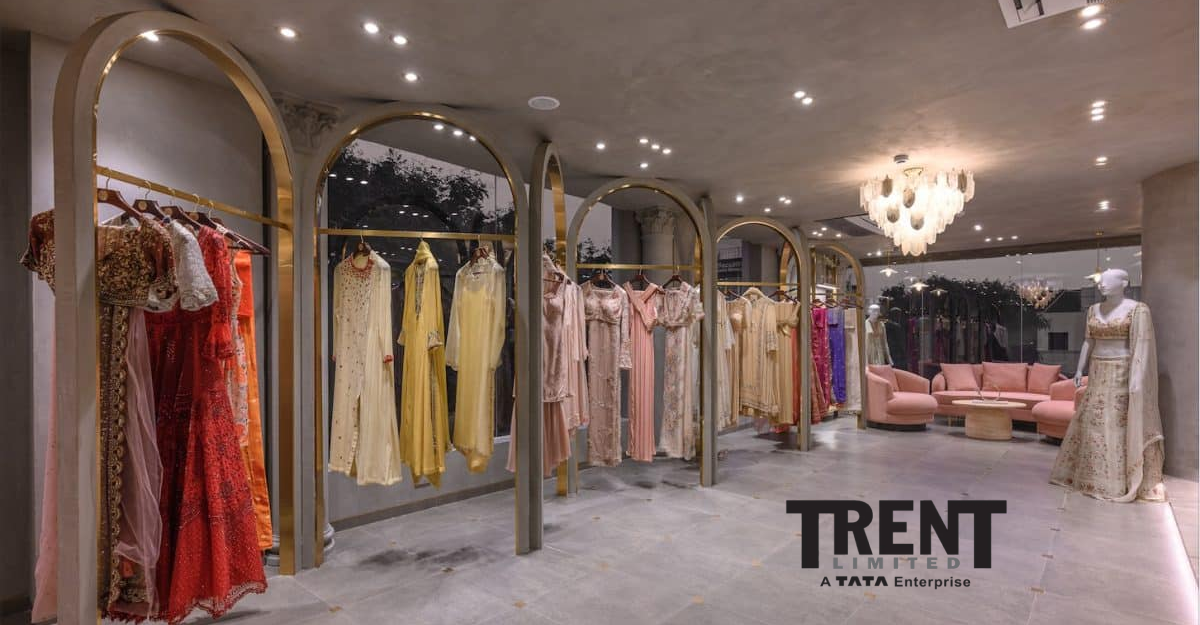
The Trent Business Model has achieved tremendous success due to the following reasons-
- High-profit margins from private labels
- Strong supply chain efficiency ensuring cost control
- Diverse revenue streams from multiple retail formats
- Aggressive expansion strategy targeting Tier 2 and Tier 3 cities
- Omnichannel presence offering both online and offline shopping
With a strategic focus on affordability, trend-driven fashion, and strong operational management, Trent continues to dominate the Indian retail landscape.
Final Words
The Trent Business Model is a perfect example of how a well-planned retail strategy can lead to long-term success. By focusing on private labels, fast fashion, cost efficiency, and an omnichannel presence, Trent has built a strong, profitable business in India. Whether you are a business enthusiast, an investor, or simply curious about how retail giants operate, studying Trent’s model offers valuable insights into the world of modern retail.
As Trent expands further into smaller cities and strengthens its online presence, it is poised to remain a leader in the Indian retail market for years to come!
How was your shopping experience in the different retail stores of Trent? Kindly, share it in the comment section 🙂
